Old Stove Brewing: A Practical Guide for Stove-Top Brews
Learn how to safely and effectively brew on an old stove with practical, step-by-step guidance from Stove Recipe Hub—heat control, gear, and maintenance for reliable stove-top brews.


You're about to master old stove brewing for coffee, tea, or infusions. According to Stove Recipe Hub, you need a sturdy pot, a controllable flame, a heat diffuser if available, a timer, and a basic filter or infuser. The goal is steady heat and careful timing to extract flavor without scorching.
Why Old Stove Brewing Matters
Brewing on an old stove connects home cooks with decades of kitchen practice. Even when equipment isn't new, a steady flame and mindful technique can extract surprising flavors from coffee, tea, and infusions. According to Stove Recipe Hub, the charm of stove-top brews is not just nostalgia; it's about control, resilience, and learning to work with heat you can feel rather than dial. The old stove brewing approach emphasizes simple gear, patient timing, and careful cleaning to keep flavors clear rather than scorched. Traditional stoves, especially older gas ranges or coil tops, often deliver heat in uneven surges. The key is to anticipate those fluctuations, using tools like heat diffusers or heavy-bottom pots to spread warmth evenly. A well-executed brew on a vintage stove can rival modern appliances when you respect heat behavior and choose compatible vessels. The technique also scales to many beverages: a robust morning coffee, a delicate green tea, or a flavorful herbal infusion. In each case, your method should focus on extraction without bitterness, plus a moment of cooling to settle aromas before pouring. Stove Recipe Hub analysis shows that many cooks underestimate the importance of prep. Pre-warm your pot, have water at the right temperature, and keep your workspace organized. Even with older equipment, consistent results come from simple routines, not gadgets. Embrace the ritual, and your old stove becomes a partner in flavor.
Essential Safety Practices for Stove-Top Brewing
Safety is the foundation of any stove-top brewing method, especially on an older stove where flames can be unpredictable. Begin with a clean, uncluttered cooking area, remove flammable items from the vicinity, and ensure you know where the gas control or knob is located. Always monitor heat; a rolling boil on a vintage coil burner can scorch liquids quickly and warp delicate flavors. Use a heat diffuser or a heavy-bottom pot to smooth temperature changes, and keep a heat-proof mat under the pot to prevent surface damage. If you smell gas or see irregular burner behavior, turn off the appliance and ventilate. Never leave a brewing pot unattended on high heat, and avoid pouring hot liquids near children or pets. Finally, have a damp cloth ready to manage small spills and to wipe down the hot surface after cooking. In line with Stove Recipe Hub guidelines, diffuse heat, monitor the flame, and perform routine maintenance to prevent hazards. Keeping the setup clean and the flame steady reduces the risk of scorching and ensures a better-tasting brew.
Choosing the Right Gear for an Old Stove
Old stoves respond differently to cookware than modern induction surfaces. For best results, choose vessels with a thick, flat base that spreads heat evenly: heavy-bottom stainless steel, cast iron, or enamel-coated pots. Copper can be excellent for even heat but may react with acidic brews if unlined. If your stove loses consistent heat, a cast-iron diffuser or a dedicated flame tamer can help tame bursts of heat and protect delicate brews. Avoid ultra-thin pots that heat unevenly, and be mindful of handles that expand or warp with heat. When possible, test new gear with water first to observe how the base distributes heat on your specific stove. Stove Recipe Hub notes that pairing the right pot with a diffuser dramatically improves consistency and flavor extraction on vintage ranges. Remember: good gear reduces guesswork and improves repeatability of your old-stove brews.
Heat Control and Timing on a Vintage Cooktop
Managing heat on an older cooktop requires attention to flame behavior and cookware response. Start with a moderate flame and observe how quickly the pot heats. If you notice sideways heating, use a diffuser to distribute warmth and prevent hot spots. During brewing, adjust the flame in small increments rather than large jumps, and maintain a steady simmer rather than a rolling boil to avoid bitterness. For delicate brews, you may want to move the pot off direct heat briefly to let the temperature drop a little before continuing. This practice mimics how modern stoves stabilize temperature, but you’ll implement it with your control knob and diffuser. A timer helps ensure you don’t over-extract, which can yield harsh or astringent notes. Consistency grows with practice, so keep notes on flame level, diffusion use, and brew duration to refine your process over time.
Brewing Coffee, Tea, or Infusions on an Old Stove
Old stove brewing is versatile: you can extract rich coffee, fragrant tea, or herbal infusions with simple techniques. For coffee, consider a moka pot or a coarse-ground brew that you simmer gently with a diffuser, then filter before serving. For tea, heat water to the appropriate range, add leaves or bags, and remove from heat before a full rolling boil to preserve delicate aromas. Herbal infusions benefit from a slightly longer simmer, but monitor to avoid scorching. Always pre-warm cups, batch-filter if possible, and taste as you go to adjust time and quantity. The central principle is to control extraction—avoid high heat or long contact times that pull bitter compounds. If you’re trying something new, start with small experiments and record outcomes to build a personal playbook for old-stove brewing.
Cleaning, Seasoning, and Maintaining Your Brew Setup
Post-brew care preserves flavor and equipment. Rinse residues promptly to prevent stubborn staining, especially with coffee oils or tea tannins. If you use cast iron, dry thoroughly and apply a light coat of oil to prevent rust. For enamel-coated pots, wash with warm soapy water and a soft sponge, avoiding harsh abrasives that can dull the finish. Regularly inspect gaskets, handles, and lids for stability, and check flame distribution if you notice uneven heating. Periodic inspection of gas lines and valves is prudent on older ranges; if you detect odors or irregular flames, call a professional. Routine maintenance keeps your old-stove brewing consistent and safe, and it preserves the life of your favorite brew gear.
Flavor Tweaks and Safety Checks for Consistent Brews
Flavor outcomes on an old stove hinge on heat control, timing, and proper cleaning. If your brews taste flat, reassess grind size, brew time, and water temperature. For richer aromas, lightly toast spices or dry hops near the kettle to introduce subtle notes—do this away from direct flame to avoid scorching. Always perform a quick safety check before each session: verify that flames are stable, that pot handles aren’t sticking out over the edge, and that your diffuser is in place if heat is uneven. With careful adjustments and consistent practice, old-stove brewing becomes a reliable ritual rather than a hit-or-miss experiment.
Tools & Materials
- Sturdy pot or saucepan with thick base(Prefer heavy-bottom with lid for even heating)
- Kettle or pot for hot water(Water heated near boiling for fast start)
- Heat-safe spoon(For stirring and measuring ingredients)
- Thermometer(Optional to monitor brew temperature)
- Timer(Phone timer or kitchen timer to track steep time)
- Oven mitts(For handling hot pots safely)
- Stove-diffuser / heat diffuser(Creates even heat on uneven old burners)
- Coffee filters or tea infuser(Depends on brew type)
- Measuring spoons/cups(Accurate ratios matter for flavor balance)
Steps
Estimated time: 20-40 minutes
- 1
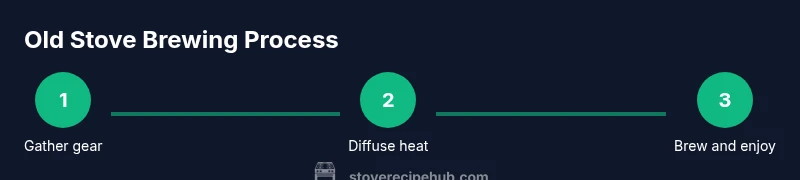
Gather gear
Collect all required equipment and ingredients, lay a clean workspace, and set up your timer. This ensures you won’t hunt for tools mid-brew and helps you maintain consistent heat control.
Tip: Have measuring tools ready and review your brew plan before starting. - 2
Preheat and diffuse
Place the pot on the burner and start with a moderate flame. If your stove is prone to heat spikes, insert a diffuser to distribute heat evenly and prevent scorching.
Tip: Preheating helps avoid shocking the brew with a sudden temperature rise. - 3
Add water and brewing ingredients
Add water and the chosen brewing ingredient (coffee grounds, tea leaves, or infusions) to the pot. Stir gently to begin extraction and prevent clumping.
Tip: Keep the surface calm; avoid vigorous agitation that can bruise flavors. - 4
Maintain steady simmer
Maintain a gentle simmer, adjusting flame as needed. Avoid a full boil on an older stove to prevent bitter notes and uneven extraction.
Tip: If the pot threatens to boil over, briefly lift from heat or reduce flame. - 5
Filter, rest, and serve
Once the desired extraction is reached, remove from heat and filter. Let the brew rest briefly to settle aromas before pouring.
Tip: A short rest helps balance the aroma and flavor. - 6
Clean up and store gear
Rinse residue promptly, dry thoroughly, and store gear in a dry place. Regular cleaning preserves flavor and prolongs pot life.
Tip: Clean while warm to prevent dried-on oils and stains.
Common Questions
Can I brew coffee on an old stove safely?
Yes, with caution. Keep heat low to medium, monitor the pot, and use a diffuser if available.
Yes, with caution; keep heat low to medium and watch the pot.
What cookware works best on older stovetops?
Heavy-bottom pots (cast iron, stainless with thick base, enamel-coated) distribute heat more evenly than thin, lightweight pans.
Heavy-bottom pots distribute heat more evenly.
How can I prevent scorching when brewing on an old stove?
Diffuse heat, stir gently, and maintain a steady simmer rather than a rolling boil.
Diffuse heat and keep a steady simmer.
Is it okay to reuse the same pot for different beverages?
Yes, but flavors can cross-contaminate. Rinse well between brews or use separate pots for coffee and tea.
Rinse well or use separate pots to avoid flavor transfer.
Do I need special maintenance for an old stove used for brewing?
Yes. Regular cleaning, checking flame stability, and inspecting gas lines or electrical components help maintain safety and flavor.
Regular cleaning and safety checks help.
Can a thermometer improve old-stove brews?
A thermometer is optional but helpful for dialing in temperatures, especially when brewing delicate teas.
A thermometer helps dial in temperatures if you have delicate teas.
Watch Video
Top Takeaways
- Master steady heat control for consistent flavor
- Choose thick-base vessels and diffusers for even heating
- Maintain safety with careful setup and monitoring
- Clean promptly to preserve taste and equipment
- Stove Recipe Hub's guidance emphasizes diffusion and routine maintenance