Stove Camping: Mastering Stove-Top Cooking Outdoors
Master stove camping with practical, step-by-step guidance on camp stove setup, fuel safety, and delicious outdoor meals. Ideal for home cooks and DIY outdoor enthusiasts.


Master stove camping by safely using a portable camp stove, choosing fuel, and maintaining wind-safe cooking areas. This quick answer outlines how to set up a stable cooking space, regulate flame for simmering and boiling, practice fuel handling, and prepare simple meals outdoors. You'll learn practical steps that translate kitchen skills to the campground with confidence.
What stove camping is and why it matters
According to Stove Recipe Hub, stove camping blends the reliability of a stovetop with the freedom of the outdoors. It lets you cook breakfasts, lunches, and dinners with a compact, controllable heat source, without building a campfire. The approach is popular with home cooks who want predictable heat, quick cleanup, and consistent results in tents, cabins, or remote campsites. The Stove Recipe Hub team found that practicing heat control, wind management, and safe fuel handling makes outdoor cooking as approachable as kitchen-based recipes.
In practice, stove camping emphasizes planning: map your meals, select fuels that perform well in your climate, and set up a stable cooking area away from tents, gear, and flammable objects. As you gain experience, you’ll learn to adjust flame levels for simmering versus boiling, time meals to avoid overcooking, and clean up efficiently so you’re ready for the next adventure.
Essential gear and safety
A reliable stove camping session starts with the right gear and clear safety practices. Core items include a portable stove compatible with your fuel canister, a stable cooking surface (a small table or flat rock), a windscreen, a lighter, and heat-resistant gloves. Bring at least one pot and one pan, plus a lid for efficient heat retention. Pack a spatula, tongs, and a small scrub brush or sponge for cleanup. Don’t forget water and basic dish soap, plus a dish towel for drying. For safety, always read the manufacturer guidance for your stove and fuel, and keep fuel containers away from heat sources and children. Never use a stove inside a tent or enclosed shelter, as unburned fuel or carbon monoxide can accumulate. Practice: store your fuel separately from your cooking area when not in use, and plan for a safe shutdown in windier conditions. Training your senses and routines will reduce the risk of flare-ups and fuel leaks.
Fuel types and wind considerations
Propane and isobutane mixtures are common for small camp stoves; they light quickly, burn clean, and can perform well in moderate cold. Some stoves use white gas or Coleman fuel; these fuels are versatile and may offer better performance in extreme conditions but require more careful handling and storage. Check your stove compatibility before mixing fuels. In windy environments, wind plays a bigger role in heat transfer than altitude. Use a windscreen to shield the pot and flame, but never enclose the flame completely. If wind is strong, lower the flame to avoid tipping and spill risk. Preheat a bit longer when the wind is steady, and adjust simmer settings to maintain steady heat. Practicing fuel management—keeping canisters upright, away from direct sun, and sealed when not in use—helps prevent leaks and maintains performance. The key is matching fuel type to your stove and the climate you expect on the trip.
Setting up a stable cooking station
A stable cooking station begins with a flat, clear surface free of debris. Choose level ground and place a heat-resistant pad or a rugged camping mat under the stove to prevent heat damage to grass or wood. Position the stove upwind if possible, and arrange cookware within easy reach to minimize bending and splashing. If you’re using a windscreen, ensure it does not trap heat or block ventilation. Keep fuel canisters away from the flames and store them upright in a dedicated bag or pouch. Maintain a safe distance from tents, chairs, and drying lines. Finally, practice safe shutdown: turn off the fuel valve, extinguish any errant flames, and allow the stove to cool before packing. A calm, repeatable setup reduces the chance of accidents during a trip.
Simple stove camping recipes
Here are two quick, reliable stove camping options you can try on your next trip.
-
One-Pan Breakfast Scramble: Heat a bit of oil in a pan, sauté diced vegetables (onion, pepper, mushrooms), add beaten eggs, and scramble until cooked. Finish with salt, pepper, and shredded cheese. Serve with toast or tortillas. Tip: keep ingredients prepped in small bags for quick cooking.
-
Pasta with Tomato-Basil Sauce: Boil water, cook your pasta until al dente, and simmer a simple sauce using canned tomatoes, garlic, and dried basil. Drain pasta, toss with the sauce, and finish with grated cheese. Tip: reserve a cup of pasta water to adjust sauce consistency.
-
Quick Oats with Dried Fruit: In a pot, bring water to a boil, stir in oats, simmer until thickened, and add dried fruit and nuts. Tip: pre-measure sachets for fast mornings.
Tools & Materials
- Portable camp stove(Ensure compatibility with your fuel canister (propane/isobutane) and stove design)
- Fuel canister(Choose the fuel type your stove supports; carry spares in a sealed bag)
- Windshield(Compact, protects flame in light to moderate wind)
- Lighter or matches(Keep dry and accessible; avoid using sources near fuel)
- Heat-resistant gloves(Protect hands when handling hot cookware)
- Pots and pans (at least 1 pot and 1 pan)(Lids are helpful for heat retention)
- Cooking utensils (spatula, tongs)(Silicone or metal compatible with your cookware)
- Dish soap and sponge(For cleanup; use biodegradable soap if near streams)
- Water supply(Bring enough for cooking and cleanup; consider a bottle brush)
- Fuel handling bag(Store fuel upright and away from heat)
Steps
Estimated time: 30-45 minutes
- 1
Assess the cooking area
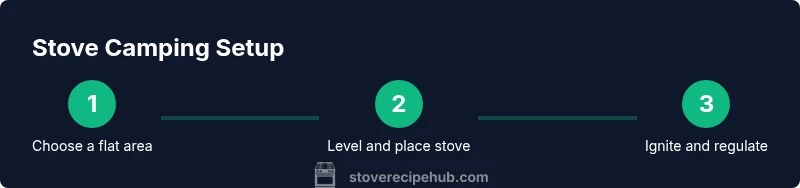
Scan the area for flat, stable ground and clear of debris. Create a safe radius around the stove, away from tent lines and gear. Check wind direction and position a windscreen if available to minimize heat loss and maintain flame control.
Tip: Walk the perimeter to visualize the workflow from lighting to serving; remove obstacles. - 2
Position and level the stove
Place the stove on a stable surface and add a heat-resistant mat if needed. Verify level placement so pots don’t slide or tip. Keep the fuel canister at a safe distance from the flame and ensure the setup won’t wobble.
Tip: Test stability with a light touch before lighting the burner. - 3
Ignite and adjust flame
Open the fuel valve slowly and ignite using a lighter or built-in igniter. Set flame to a steady simmer or boil, avoiding large, uncontained flames. Adjust as wind conditions change to maintain consistent heat.
Tip: Keep hands and face away from the pot sides when lighting. - 4
Cook and monitor heat
Cook with regular stirring and use a lid when appropriate to trap heat. Monitor boil times and adjust flame to prevent scorching. Have a plan for hot liquids and a safe exit route in case of flare-ups.
Tip: Do not leave the stove unattended while the flame is active. - 5
Shut down and pack away
Turn off the fuel valve and allow the stove to cool completely before handling. Clean cookware and wipe down the stove. Pack away fuel canisters and stove parts in their designated bags to prevent leaks.
Tip: Inspect seals and valves after use and replace worn parts as needed.
Common Questions
What fuel should I use for stove camping?
Choose fuels that match your stove's design and the outdoor conditions you expect. Propane/isobutane blends are common for quick lighting, while white gas offers versatile performance in cooler weather but requires careful handling.
Use the fuel your stove is designed for; propane or isobutane blends are easy for beginners, while white gas suits extreme conditions but needs careful handling.
Is it safe to cook inside a tent?
No. Cooking inside a tent can lead to dangerous buildup of carbon monoxide and fire hazards. Always cook in an open, well-ventilated area away from flammable gear.
No. Never cook inside a tent. Use open, ventilated space away from anything flammable.
How can I protect my stove from wind?
Use a windscreen designed for camp stoves and set it up with a light windbreak. Avoid enclosing the flame completely; ensure proper ventilation to prevent gas buildup.
A proper windscreen helps a lot. Don’t seal the flame off; keep air flowing for safe combustion.
Can I cook with dried backpacker meals on a camp stove?
Yes. Many dried or dehydrated meals rehydrate quickly on a stove. Use a lid to trap heat and follow package directions for water amounts and simmer times.
Definitely. Rehydrate with the stove; use the lid and follow the meal directions.
How do I extinguish and store a camp stove safely?
Turn off the fuel valve and allow the stove to cool completely before packing. Store fuel canisters upright and away from heat sources, in a well-ventilated bag.
Turn off the valve, wait for cooling, then pack. Keep fuel stored upright and away from heat.
What maintenance should I perform after a trip?
Inspect seals, valves, and hoses for wear. Clean any residue from burner ports and check for fuel leaks. Replace worn parts before your next trip.
Check seals and hoses, clean residues, and replace worn parts before your next trip.
Watch Video
Top Takeaways
- Plan a stable cooking area before lighting
- Match fuel type to stove and climate
- Maintain heat control for safe cooking
- Clean and store gear responsibly after meals