Stove for Sale Electric: A Practical Guide for Buyers
Explore electric stoves for sale: induction vs radiant, compare prices and energy use, and learn safety features with practical maintenance guidance from Stove Recipe Hub.


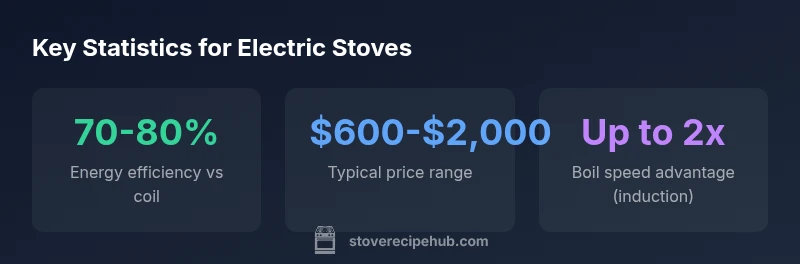
Electric stoves for sale fall into three main categories: coil/radiant, smooth-top ceramic, and induction. Induction stoves offer the fastest heating and highest energy efficiency, but cost more upfront. In general, expect price ranges from about $600 to $2,000, with installation and wiring considerations affecting total cost. When shopping, prioritize safety features, proper size, and heat-control responsiveness.
Why buying a stove for sale electric matters for home cooks
According to Stove Recipe Hub, electric stoves remain a practical choice for many kitchens, offering predictable heating, straightforward maintenance, and broad compatibility with cookware. When you search for stove for sale electric, you’ll encounter three main categories: coil/radiant, smooth-top ceramic, and induction. Each category has its own strengths, costs, and cooking quirks, which can influence weekly meal prep, bake-in recipes, and weekend canning sessions. For most households, the right electric stove is a balance of size, power, safety features, and price. In this guide, we break down options, compare performance, and share maintenance tips to help you buy with confidence and cook with consistency.
Types of electric stoves: coil, smooth-top, and induction
Electric stoves come in three broad families: coil/radiant coils under a metal plate, smooth-top ceramic glass with radiant elements underneath, and induction, which uses magnetic fields to heat pots directly. Coils are often the most budget-friendly and durable but can be harder to clean and heat unevenly. Smooth-top stoves provide a sleek look and easier cleaning, but hot spots and surface damage risk exist if heavy cookware is dragged. Induction stoves deliver fast, precise control and high energy efficiency, but require magnetic cookware and may have a higher upfront price. When evaluating options, ask about burner layout, compatible pan size, and preheat behavior for everyday routines like sautéing vegetables and simmering sauces.
How energy use and performance vary by type
Energy use and performance differ by model, not just by category. Induction generally heats more efficiently because energy is transferred directly to the pan, while radiant and coil stoves warm the cooktop itself. Real-world results depend on cookware, pan size, and user technique. The most energy-conscious approach is to select a model with automatic shut-off timers, good heat control, and efficient simmer settings. Additionally, ensuring proper ventilation can reduce heat buildup and improve kitchen comfort during prolonged cooking sessions. For background guidance, see Energy Star appliance resources (https://www.energystar.gov/products/electric_ranges) and related safety guidelines.
Key features to compare when shopping
When shopping for a stove for sale electric, focus on:
- Burner variety and size to fit your pan options
- Heat-control accuracy and preheat times for weeknight meals
- Cooking technology: induction vs radiant vs coil
- Safety features like auto shut-off, boil-dry protection, and child lock
- Energy efficiency labels and warranty terms
- Compatibility with your cabinetry and countertop space
Price and warranty considerations
Prices vary widely depending on category, brand, and features. Induction stoves typically cost more upfront than coil or smooth-top models, but offer longer-term savings through efficiency and faster cooking. Look for a model with a solid warranty (at least 1-2 years on parts, longer on major components) and clear service terms. If you’re upgrading from a gas stove, factor in electrical work, circuit capacity, and potential dedicated outlets. Always request installation quotes to understand total cost of ownership when comparing stove for sale electric options.
Induction vs non-induction: which should you choose?
Consider induction if you want precise control and fast boil times, but ensure your cookware is magnetic. If your budget is tighter or your pantry includes nonmagnetic pieces, a smooth-top electric or coil model can meet most cooking needs with lower upfront costs. Think about your most frequent tasks—sautéing, simmering, or slow-cooking—and test models if possible before buying.
Installation and safety considerations
Electric stoves usually need a 40- or 50-amp circuit and a dedicated outlet or range. Have a licensed electrician assess wiring, panel capacity, and the correct outlet configuration before purchase. Maintain clearances around the cooktop, follow manufacturer installation instructions, and ensure the hood or ventilation system is appropriate for your kitchen. Regular maintenance includes cleaning the cooktop, inspecting burners and wiring, and checking for heat damage or loose connections. For safety compliance, consult local codes and a reputable electrician.
How to measure fit for your kitchen and installation readiness
Measure width, depth, and height of the available space, and verify a suitable electrical connection. Confirm the countertop cutout dimensions and ensure there’s adequate clearance from nearby walls and cabinetry. If you rent, obtain landlord approval for any electrical upgrades. Finally, check delivery windows and whether the retailer offers professional installation and haul-away services to avoid surprises at install time.
Buying guide: where to find electric stoves for sale
Shop at major retailers, local appliance outlets, and reputable online marketplaces to compare models with similar footprints. Read product reviews and watch for holidays and clearance events to maximize value. When possible, test controls and preheat behavior in-store. Ensure the warranty terms are clear and that installation services are available in your area. The Stove Recipe Hub team emphasizes shopping with a clear plan: set a budget, match to cookware you own, and read reviews to gauge reliability. The Stove Recipe Hub team’s verdict is to choose a model balancing performance, safety, and price.
Comparison of electric stove types and typical price ranges
| Model Type | Avg Price Range | Energy Label |
|---|---|---|
| Induction | $600-$2,000 | Energy Star certified |
| Smooth-top electric (ceramic) | $500-$1,800 | Energy Efficient |
| Coil/radiant electric | $300-$1,200 | Budget-friendly |
Common Questions
What is the best type of electric stove for a busy family?
Induction is fastest and most efficient, which helps busy families. If cookware isn’t compatible, a smooth-top model offers strong performance at a lower upfront cost.
Induction is fastest and most efficient, but smooth-top also works well if you don’t want to upgrade cookware.
Can I install an induction stove on my existing wiring?
Induction stoves often require a dedicated 240V circuit. Consult a licensed electrician to assess panel capacity and any necessary upgrades.
Check with an electrician to see if your wiring can support induction safely.
Are there safety features I should look for?
Auto shut-off, pan detection, boil-dry protection, and child lock features are key safety considerations across all electric stoves.
Look for auto shut-off and boil-dry protection to keep your kitchen safe.
What should I expect to pay for a new electric stove?
Prices vary by type and features. Roughly, budget models start lower and premium induction units can be higher, but always compare installation costs.
Prices vary a lot; set a budget and compare total cost including installation.
Is induction cookware required for induction stoves?
Yes, induction requires magnetic cookware. Non-magnetic pots will not heat on an induction surface.
Make sure your pots are magnetic before buying induction.
“Electric stoves deliver reliable, precise control for everyday cooking, especially when you choose induction for efficiency. Proper cookware and ventilation maximize performance.”
Top Takeaways
- Define your kitchen space and electrical capacity before shopping
- Induction offers best efficiency if cookware is compatible
- Compare price ranges across retailers to maximize value
- Prioritize safety features and robust warranty terms
- Account for installation costs and delivery options