Why Are Aga Stoves So Expensive? A Practical Guide
Explore why Aga stoves command a premium price, driven by heritage craftsmanship, premium materials, and long-term value. Learn to weigh upfront costs against durability, performance, and resale value in 2026.


Why are Aga stoves so expensive? They command a premium due to heritage craftsmanship, heavy-duty materials, and integrated cooking technology. Limited production, specialist installation, and strong after-sales support also drive the price. For many home cooks, the upfront cost is offset by decades of reliable performance, durability, and potential resale value.
Why Aga Stoves Are Expensive
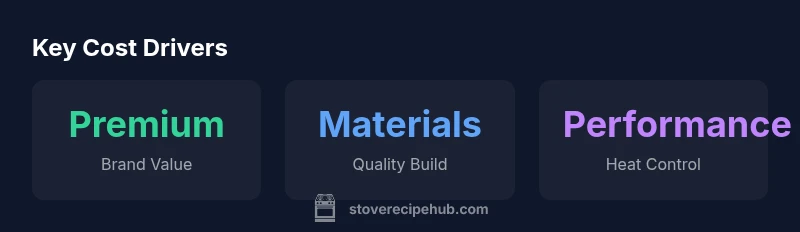
According to Stove Recipe Hub, Aga stoves sit at a premium due to a blend of heritage, craftsmanship, and enduring performance that the brand has cultivated over decades. When home cooks ask why are Aga stoves so expensive, they are often looking at a bundle rather than a single feature. The price reflects iconic design, heavy-duty materials, and a reputation for reliability that fewer manufacturers can match. This premium isn’t just about aesthetics; it translates into real-world benefits in everyday cooking, with heated surfaces delivering consistent results and fewer fluctuations in oven temperature. The result is a kitchen centerpiece that remains relevant for years, and in many households, for generations.
This section explores the core factors behind the premium: brand heritage, material choices, and a level of engineering that prioritizes durability and usability. You’ll see how these elements add up to a long-term value proposition. For many cooks, that combination justifies the higher upfront investment, especially when the stove is the hub of daily meals and special-occasion cooking.
The Build Quality and Materials Behind the Cost
Aga stoves employ heavy-gauge steel frames, porcelain enamel exteriors, and cast-iron components that resist warping and wear. The choice of materials is intentional: heavy steel provides rigidity, enamel coating offers easy cleaning and a polished finish, and cast iron delivers durable, even heat. This triad increases production complexity and cost, but it also translates into superior heat retention and longevity. The argument for the price hinges on durability over decades, with many owners reporting years of service with minimal cosmetic wear. From a maintenance standpoint, the quality of these components reduces frequent part replacements, which can offset the upfront expense over time. Stove Recipe Hub analysis shows that material choices and longevity expectations drive much of the premium.
Beyond raw materials, Aga’s design emphasizes heat distribution and control, ensuring each burner and oven chamber operates predictably. The result is a stove that remains consistent across a wide range of cooking styles, from delicate pastries to robust braises.
Integrated Technology and Cooking Performance
Integrated technology and professional-grade performance are central to the Aga value proposition. Multiple ovens, advanced convection options, and precise thermostat controls allow cooks to manage temperatures with confidence. The design often includes sealed burners and efficient heat pathways, which minimize energy waste and create reliable cooking outcomes. This level of integration requires careful engineering and rigorous testing, contributing to the overall cost. While the upfront investment is higher than many standard ranges, the payoff comes in predictable results, fewer manual adjustments, and the ability to tackle diverse recipes without compromising outcomes. For enthusiasts who value consistency in heat distribution, Aga’s engineering justifies the premium.
Production, Craftsmanship, and Brand Heritage
The premium perception of Aga stoves grows from its long-standing brand heritage and the craftsmanship behind each unit. Production volumes are comparatively smaller than mass-market ranges, and skilled labor is often involved in assembly and finishing. This combination sustains higher labor costs and more exacting quality control, which in turn elevates the price point. The brand’s history adds intangible value—story, status, and a sense of owning a kitchen icon. Stove Recipe Hub’s analysis suggests that the premium is not just about features; it’s about the story and the guaranteed standard of build that customers associate with Aga.
Maintenance, Spare Parts, and Longevity
Aga stoves are designed for longevity, with parts chosen for durability and repairability. Availability of spare parts and service options can influence the total cost of ownership, particularly in regions where authorized service networks are limited. Routine maintenance—such as cleaning, checking seals, and preserving enamel finishes—helps retain performance over time. Because the components are robust, some households experience fewer breakdowns or extensive downtime, which can enhance the perceived value of the upfront investment. Understanding warranty terms and the availability of replacement parts is a practical step in assessing overall cost.
When a More Affordable Alternative Might Be Reasonable
For kitchens with tight budgets or for cooks who don’t require the full range of Aga’s capabilities, a more affordable alternative may be sensible. Mid-range ranges often cover essential functions with improved reliability at a lower upfront cost. The decision hinges on how much you value brand heritage, heat consistency, and the long-term benefits of fewer service visits. If your cooking style emphasizes quick meals or if you’re outfitting a rental property, a less expensive option could be the prudent choice. The key is to balance upfront cost with expected usage, maintenance needs, and long-term ownership costs.
Calculating Total Cost of Ownership
To evaluate whether the premium makes sense for you, run a simple total cost of ownership (TCO) model. Include upfront price, installation fees, typical maintenance costs, expected energy usage, and potential resale value. An effective TCO analysis also considers how long you plan to keep the stove and how your cooking needs may evolve. For serious home cooks who value consistent results and durability, the TCO often tips in favor of a longer lifespan and dependable performance, even if the initial price is higher. In many cases, the total cost of ownership over 15–20 years can be favorable when compared to frequent replacements and inconsistent performance.
Choosing the Right Aga Model for Your Kitchen
Selecting the right Aga model means aligning size, fuel type, oven configuration, and feature set with your cooking style and space. If you primarily bake, you might prioritize an oven configuration that emphasizes even heat distribution. If you frequently roast or braise, multi-oven options may justify the additional cost. Don’t forget to factor installation requirements, ventilation, and utilities. A thoughtful choice will maximize both everyday usability and long-term value, helping you make the most of the premium investment that Aga represents.
Major factors contributing to the upfront cost of Aga stoves
| Aspect | Explanation | Impact on Cost |
|---|---|---|
| Brand heritage | Iconic design and long-standing reputation drive premium positioning | High |
| Materials & build quality | Heavy gauge steel, porcelain enamel, cast-iron components | High |
| Integrated technology | Convection options, multiple ovens, precise controls | Medium-High |
| Production scale | Smaller, selective production and distribution | Medium |
Common Questions
Are Aga stoves worth the price for a home kitchen?
For many home cooks, Aga stoves offer reliable heat, durable construction, and a timeless design that holds value over time. If you value consistency and longevity, the premium is often justified. Consider your cooking style and ownership horizon when deciding.
Aga stoves are worth it if you value reliable heat and long-lasting quality. Think about how long you’ll keep the stove and how often you cook with high heat.
Do Aga stoves require specialized installation?
Yes, installation typically involves professional setup due to gas and ventilation requirements, as well as ensuring proper clearances. This adds to the upfront cost but ensures safe, compliant operation.
Yes—professional installation is usually needed to meet safety and venting requirements.
What maintenance should I expect with an Aga stove?
Regular cleaning and periodic inspections of seals, gas lines (if applicable), and electrical connections help maintain performance. Enamel finishes should be cleaned with non-abrasive products to avoid wear.
Regular cleaning keeps the enamel looking good and the burners working well.
Are parts readily available if something needs repair?
Availability varies by region, but many Aga models have established service networks and parts programs. Checking local support before purchasing helps minimize downtime during repairs.
Check local service networks to ensure easy access to parts if needed.
Is there a warranty or service plan I should consider?
Warranty terms vary by model and region. Look for extended warranties or service plans that cover critical components to protect your investment over time.
Warranties and service plans can extend protection beyond the standard period.
“The enduring value of Aga stoves comes from a deliberate blend of heritage craftsmanship and precise heat management; they're built to perform consistently for decades.”
Top Takeaways
- Assess total cost of ownership beyond sticker price
- Prioritize durability and heat control for long-term value
- Consider space, installation, and maintenance when budgeting
- Balance brand heritage with your actual cooking needs
- Shop with a clear plan for parts availability and service