Cooking Potatoes on the Stove: A Practical Guide
Learn practical stove-top techniques to cook potatoes on the stove—boiling, pan-frying, steaming—with tips on prep, flavor, and troubleshooting for fluffy interiors and crispy exteriors.


By the end of this guide, you’ll confidently cook potatoes on the stove using boiling, steaming, or pan-searing methods to achieve fluffy interiors and crisp edges. Expect tips on selecting varieties, timing, heat control, and flavoring to fit every stove-top kitchen. You’ll learn parallel techniques for different cuts and how to avoid common pitfalls.
Mastering stove-top potatoes: a practical overview
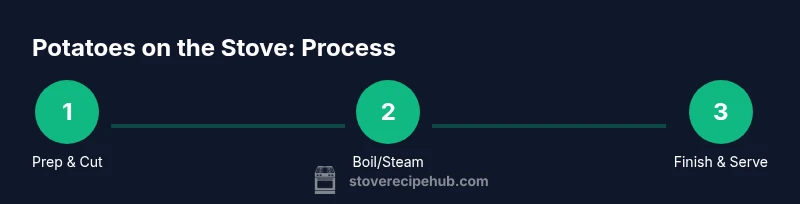
Cooking potatoes on the stove is a versatile technique that yields tender centers with a range of textures, from fluffy boiled potatoes to crisp-skinned pan-fried wedges. This guide covers how to select varieties, prep properly, and apply boiling, steaming, or browning methods to suit your dish. According to Stove Recipe Hub, the best stove-top results come from uniform cuts, precise heat, and mindful timing. By understanding starch levels and moisture, you can tailor each method to your kitchen and appetite. You'll also learn when to parboil, how to finish with butter or oil, and how to pair potatoes with herbs and acidic brightness for balance.
Selecting the right potato and prepping for stove-top cooking
Potatoes vary in starch and moisture, which influences texture when cooked on the stove. Russets yield light, fluffy centers, while Yukon Golds bring creamy, buttery notes. Red potatoes hold their shape better for pan-fried wedges. Prep starts with thorough washing and optional peeling, followed by uniform cuts to ensure even cooking. Soaking cut potatoes briefly in cold water can reduce surface starch, then drying thoroughly prevents soggy results when you pan-fry or steam. With skins on, you gain texture and nutrients; with skins off, you gain tenderness. In all cases, start with a clean board and a sharp knife for safe, efficient prep.
Boiling potatoes on the stove: the foundation
Boiling is the most forgiving stove-top method for potatoes. Use a pot large enough to cover the pieces in a single layer, add enough cold water to submerge them, and season the water with salt to season from the inside out. Bring to a gentle boil and simmer until a fork or knife meets little resistance. Avoid a rolling boil, which can break apart delicate centers. Drain promptly and return to the warm pot to dry before mashing, mashing with a fork, or moving to the next step for crispy finishes.
Pan-frying for a crispy crust: skillet potatoes
Pan-frying potatoes on the stove delivers a golden crust with a tender center, ideal for brunch sides or hearty dinners. Heat a heavy skillet and add a thin film of oil or butter. Spread the potatoes in a single layer without crowding; overcrowding steams instead of sears. Allow undisturbed contact to form a crust, then flip and finish cooking. Season early with salt, pepper, and any spices you enjoy. Toss in aromatics like garlic or fresh herbs toward the end for bright, fresh notes.
Parboiling and steaming: faster paths to tender centers
Parboiling briefly before finishing in a pan or steamer shortens total cook time while preserving moisture. Start with larger chunks or wedges and parboil until they’re just tender in the center, then drain and air-dry before browning or steaming to finish. Steaming on the stove preserves more nutrients and yields lighter texture compared to boiling. If you’re in a rush, parboil and finish with a quick pan-brown to trap flavor in a crisp exterior.
Flavor building: seasonings, fats, and finishing touches
Flavor is built in layers when cooking potatoes on the stove. A base of oil or butter carries heat and browning compounds; add garlic, onions, fresh herbs, or paprika for aroma. Salt in the cooking water helps seasoning inside the potato, while finishing with zest, lemon juice, or a dash of vinegar brightens the dish. For crispy results, deglaze the pan with a splash of stock, wine, or water to lift stuck bits and deepen flavor. Finish with a final taste and adjust salt to balance fat and acidity.
Troubleshooting common issues
If potatoes break apart in boiling water, reduce size or use lower heat to keep a gentle simmer. Sticky or gummy textures signal excess starch or moisture; dry the potatoes thoroughly and avoid overcrowding when searing. If there’s not enough crust, increase heat gradually or use a heavier pan to promote even browning. When serving, check for even seasoning and adjust with salt and a squeeze of citrus to brighten the dish.
Maintenance, safety, and cleanup after stove-top potato cooking
Always handle hot pots and pans with proper mitts and keep a clear workspace to prevent accidents. Wipe spills promptly to avoid slippery floors and greasy stovetops. Clean as you go to prevent buildup of starch residues on burners. Store leftover potatoes in airtight containers in the fridge and reheat gently to preserve texture; re-crisp if needed by a brief pan-brown. Regularly inspect burners and cookware for wear and replace damaged pieces to maintain safe cooking habits.
Tools & Materials
- Pot with lid(Large enough to hold potatoes in one layer)
- Medium pot(For parboiling or steaming)
- Colander(For draining boiled potatoes)
- Sharp chef's knife(Uniform cuts matter)
- Cutting board(Stable surface)
- Measuring spoons(Seasoning in stages)
- Oil with high smoke point (e.g., canola, avocado)(For frying or pan-searing)
- Butter or ghee (optional)(For richer crust)
- Salt and pepper(Season layers)
- Garlic, herbs (optional)(Flavor boosts)
- Tongs or spatula(Turn and toss safely)
- Kitchen towel or rack(Drying drained potatoes)
- Instant-read thermometer (optional)(Check internal temperature for precise outcomes)
Steps
Estimated time: 45-60 minutes
- 1
Wash and cut potatoes evenly
Rinse potatoes to remove dirt. Cut into uniform pieces to ensure even cooking. For boiling, keep pieces roughly the same size; for pan-frying, larger wedges work well.
Tip: Uniform sizes prevent under/overcooking on the stove. - 2
Choose your stove method
Decide between boiling, steaming, or pan-searing based on desired texture. Boil for fluffy interiors, pan-sear for crust, steam to preserve moisture.
Tip: Start with a plan, then adapt heat as you cook. - 3
Parboil or boil until tender
If parboiling, reduce cooking time to keep interiors firm. When boiling, test with a fork; center should be tender but not mushy.
Tip: Don’t overcook; you want a little resistance for crisping later. - 4
Drain and dry thoroughly
Drain potatoes in a colander and pat dry with a towel. Moisture on the surface will steam instead of brown in a pan.
Tip: Drying is the key to a good crust. - 5
Sear or pan-fry to color the crust
Heat oil in a heavy skillet until shimmering. Place potatoes in a single layer without crowding; flip once crust forms.
Tip: Avoid moving them too soon; patience yields crust. - 6
Finish with flavor and aroma
Add butter or herbs toward the end; season in layers to build depth. Optional deglaze for extra richness.
Tip: Taste and adjust seasoning after searing. - 7
Rest briefly and serve
Let potatoes rest a minute to set the crust. Serve hot with a squeeze of lemon or herbs for brightness.
Tip: Resting helps retain texture.
Common Questions
Can I boil potatoes on the stove to make fluffy mashed potatoes?
Yes. Boil until tender, then drain and mash with warm milk or stock. For extra light texture, mash while still warm and lightly whip.
Yes, you can boil them on the stove for fluffy mashed potatoes; keep them warm and mash with liquid.
What is the best potato for stove-top cooking?
Russets and Yukon Golds are versatile for stove-top cooking, giving fluffy interiors or creamy texture respectively. Red potatoes hold shape well for wedges or sautés.
Russet or Yukon Gold work best for stove-top cooking depending on desired texture.
How do I prevent potatoes from sticking when pan-frying?
Ensure the pan is hot enough and the potatoes are dry before adding. Use enough oil to create a thin coating and avoid overcrowding the pan.
Make sure they're dry, use enough oil, and don't crowd the pan.
Should I peel potatoes before cooking on the stove?
Peeling is optional. Keeping skins on adds texture and nutrients; peeling yields a smoother result, especially for mashed potatoes.
Peel if you want a smoother texture, otherwise keep the skins for more flavor and nutrition.
How long to boil potatoes on the stove?
Boiling time depends on potato size and cut. Test with a fork; when tender with slight resistance, they’re ready to drain.
Boil until you can pierce a piece with ease but not mushy.
Can I reuse boiled potatoes for another recipe?
Yes. Cool and refrigerate promptly. Reheat gently or use in salads, hash, or frittatas within a few days.
Yes—refrigerate and reheat carefully or add to hash or salads.
Watch Video
Top Takeaways
- Choose uniform potato pieces for even cooking
- Balance boiling, steaming, and searing for texture
- Season in layers for depth of flavor
- Dry surfaces well to promote browning
- Rest briefly before serving to set crust