How to Cook Sweet Potatoes on the Stove
Master stove-top sweet potato cooking with boiling, steaming, and sautéing methods. Learn timing, texture targets, seasoning, and practical tips for sides, mash, and salads.


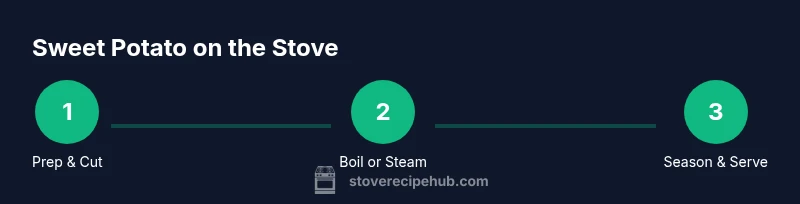
When you learn how to cook sweet potato on the stove, you’ll discover three dependable methods: boil, steam, and pan-sauté. Begin with even-sized pieces, use salted water for flavor, and test for fork-tender results. This quick answer previews the main approaches and timing to help you choose the right method for your dish.
Understanding texture and starch conversion
When you learn how to cook sweet potato on the stove, you unlock a world of textures—from creamy mash to fluffy cubes with a crisp edge. Sweet potatoes come in several varieties; some are high in moisture and cook quickly, others hold shape and develop deeper sweetness when simmered. On the stove, heat and cut size determine tenderness just as much as the time spent in water or oil. According to Stove Recipe Hub, the goal is to control moisture loss and starch conversion to achieve the exact texture you want for your dish.
The starches in sweet potatoes behave differently than regular white potatoes. As they heat, their internal starch granules swell, absorb water, and soften. Cutting the tubers into uniform pieces reduces uneven cooking and prevents a few pieces from being underdone or overdone. If you prefer a smooth mash, larger chunks will break down more slowly and may require longer cooking; for diced sides, smaller uniform cubes cook evenly and quickly.
The stove-top method also gives you flavor control: you can season the cooking water lightly, add aromatics, or finish with a fat like butter or olive oil to carry the natural sweetness. This section explores how different cut sizes, prep options, and heat levels affect final texture and taste, so you can tailor every batch to your recipe.
Batch prep and selecting sweet potatoes
Choosing the right sweet potatoes matters more than you might think. For even cooking on the stove, pick tubers of similar size and shape, aiming for pieces that will finish at about the same time. Look for smooth skins, firmness at the core, and no soft spots. Wash thoroughly to remove dirt; decide whether to peel or leave skins on based on your dish and texture preference. If you’re boiling whole, select smaller potatoes to reduce cooking time; for diced or cubed preparations, slightly larger tubers are easier to cut uniformly. Store in a cool, dry place and use within a week for best texture. When you’re ready to cook, have your water, salt, and optional aromatics prepared so they’re ready when the pot comes to a boil.
Methods: boiling, steaming, or sautéing on the stove
Boiling is the fastest way to tenderize sweet potatoes and is ideal for mashing or making a simple side dish. Steaming preserves more nutrients and keeps flavors concentrated by avoiding direct water contact with the potato’s flesh. Pan-sautéing in a little oil or butter creates a lightly caramelized surface that enhances sweetness and adds a pleasant texture. Each method requires different water levels, heat intensity, and finishing steps. For even results, keep the tubers submerged or evenly spaced, and avoid crowding the pot to maintain a steady simmer rather than a rolling boil.
In practice, plan to cut tubers into uniform pieces—1 to 2 inches depending on the method—and choose your method based on the desired final dish. If you’re aiming for a fluffy mash, boil or steam until fork-tender and then mash with your favorite flavorings. For a side dish with a bite, sauté then finish with a touch of butter or olive oil, salt, and a squeeze of citrus or a dusting of spice.
Flavor foundations: seasonings, fats, and finishing touches
The stove gives you control over flavor development. A little fat helps carry sweetness and aroma, so consider finishing with butter, olive oil, or a splash of yogurt for richness. Salt is essential to balance sweetness and bring out natural flavors; start with a pinch per quart of water or per batch, then adjust to taste. Fresh herbs like parsley, dill, or chives offer brightness, while spices such as smoked paprika or chili powder add warmth. For a touch of sweetness, a drizzle of maple syrup or honey can complement the potato’s natural sugars.
If you’re preparing mashed sweet potatoes, consider adding a splash of milk, cream, or veggie broth to reach the desired creaminess. For starchier dishes, skip dairy to keep the texture distinct. Always taste and adjust salt and seasoning at the end, since cooking water and aromatics can shift the final balance.
Troubleshooting cooking times and textures
Even with careful prep, you may encounter variable results due to potato variety, batch size, or stove performance. If pieces turn out too firm, extend simmer time in 2–3 minute increments rather than guessing. If they become waterlogged or mushy, reduce simmer time next batch or cut pieces smaller for more predictable tenderness. When steaming, keep water just below boiling to minimize nutrient loss. If you plan to reheat leftovers, store in a sealed container and reheat gently on the stove with a small splash of water to rehydrate.
Quick-reference charts: timing and texture
- Boiling small dice (1 inch): 8-10 minutes until tender
- Boiling large chunks (2 inches): 12-15 minutes until fork-tender
- Steaming: 12-18 minutes depending on size
- Sautéing (pan): 6-10 minutes to caramelize edges and soften centers
Texture targets vary by dish: fork-tender for mashing, slightly firm for roasting or salads, and very soft for puree. Adjust cut size and cooking time accordingly to hit your preferred texture.
Tools & Materials
- Sweet potatoes (4-6 medium, uniform size)(Choose tubers that will finish at similar times)
- Water(Enough to cover potatoes by 1-2 inches)
- Large pot with lid(Prefer 4-quart or larger for even cooking)
- Sharp knife(For clean, uniform cuts)
- Cutting board(Stable surface for safety)
- Colander(For draining cooked potatoes)
- Slotted spoon or tongs(To transfer and drain safely)
- Salt(Optional, for boiling water flavor)
- Measuring spoons(Optional for precise seasoning)
Steps
Estimated time: 30-40 minutes
- 1
Gather ingredients and set up
Assemble all ingredients and tools within easy reach. Rinse sweet potatoes under cool water; wipe clean. Have a timer ready because accurate timing matters for consistent results.
Tip: Organize your workspace before you start to prevent rushing. - 2
Wash and decide on peeling
Scrub the skins well; decide whether to peel based on your recipe. Leaving skins on adds texture and nutrients but may affect tenderness. Peel only if you want creamier texture or if you plan to mash finely.
Tip: Peel lightly if you’re unsure about texture and plan to mash. - 3
Cut into uniform pieces
Trim ends and cut potatoes into uniform 1–2 inch pieces. Uniform size ensures even cooking and predictable tenderness across the batch. Rearrange pieces after the first boil or steam to avoid clumping.
Tip: Aim for consistent thickness for even heat exposure. - 4
Bring water to a boil
Fill the pot with salted water (if using) and bring to a rolling boil over high heat. Once boiling, reduce to a lively simmer to prevent splashing and to keep starches from breaking down too quickly.
Tip: A gentle simmer yields more even tenderness than a raging boil. - 5
Add potatoes and simmer until tender
Add cut potatoes to the simmering water or set over steam. Cook until a fork slides in with little resistance, then test a few pieces for consistency. Time varies by size but expect roughly 8–15 minutes.
Tip: Stir occasionally for even cooking and check several pieces for doneness. - 6
Drain and rest
Carefully drain potatoes into a colander. Let them rest for 1–2 minutes to dissipate surface moisture before mashing or sautéing. If mashing, return to warm pot and begin mashing with your chosen fats.
Tip: Holding a minute helps prevent steam burns when you handle the potatoes. - 7
Season and finish
Season to taste and finish with butter, olive oil, or yogurt as desired. Toss with herbs or spices to finish with aroma and color. If you plan to mash, add dairy or broth gradually until you reach the desired consistency.
Tip: Taste and adjust salt after adding fats to avoid oversalting. - 8
Serve or store leftovers
Serve immediately or cool and refrigerate in a sealed container for up to 3–4 days. For longer storage, freeze mashed potatoes or small chunks, then reheat gently on the stove with a splash of liquid.
Tip: Reheat gently to preserve texture; avoid microwave if you want to keep surface caramelization.
Common Questions
Can I cook sweet potatoes on the stove without peeling?
Yes. You can boil or steam with skins on, which adds texture and nutrients. Peel if you want a smoother mash or prefer a cleaner appearance for certain dishes.
Yes—you can cook them with the skins on, which helps with nutrients and texture. Peel if you want a smoother result.
Which method is fastest for tender potatoes?
Boiling small, evenly cut pieces typically cooks fastest. Steaming takes a bit longer but preserves more nutrients. Pan-sautéing is quickest for a crisp surface but may need finishing tenderness.
Boiling small, evenly cut pieces is usually fastest; steaming takes longer but preserves nutrients.
How can I tell when sweet potatoes are done?
Potatoes are done when a fork slides in easily with little resistance. For mashing, test several pieces—they should mash smoothly without resistance.
Check with a fork—the potato should be fork-tender and easy to mash or cut.
Can I reheat cooked sweet potatoes on the stove?
Yes. Reheat gently over low heat with a splash of water or stock to rehydrate. Stir occasionally to prevent sticking and heat evenly.
Yes, gently reheat on the stove with a little liquid to rehydrate.
Can I freeze cooked sweet potatoes?
Yes, refrigerate for 3–4 days or freeze mashed or cubed portions for longer storage. Reheat from frozen with a splash of liquid.
Yes, you can freeze mashed or cubed sweet potatoes and reheat later.
What if water evaporates too quickly during boiling?
Keep pot partially covered and adjust heat to maintain a gentle simmer. Add more water if needed to prevent scorching and ensure even tenderness.
If water evaporates, lower the heat to a gentle simmer and add more water if needed.
Watch Video
Top Takeaways
- Choose uniform potato pieces for even cooking
- Boil, steam, or sauté based on the final texture you want
- Season thoughtfully and finish with a touch of fat
- Test tenderness with a fork to avoid under/overcooking