Stovetop Stuffing Recipe: Fluffy, Flavorful Stove-Side Side
Learn a complete stovetop stuffing recipe that yields fluffy, savory comfort on a single burner. This guide covers ingredients, tools, step-by-step methods, flavor boosts, healthier swaps, and storage tips for a perfect stove-made side.


With this stove stuffing recipe, you’ll build fluffy, savory stuffing on a single burner by toasting bread, sautéing aromatics, and simmering with stock until tender. It saves oven space and speeds up weeknight meals without sacrificing flavor. Gather bread cubes, onions, celery, butter, herbs, stock, and eggs (optional) to start.
What makes a stove stuffing recipe practical on weeknights
A stove stuffing recipe is a compact, flavor-packed way to deliver a comforting side without turning on the oven. On Stove Recipe Hub, experts emphasize that the stovetop method preserves tenderness and aroma while shaving minutes off cooking time. The term stove stuffing recipe describes a bread-based mix that is toasted, seasoned, and slowly moistened with stock on a single burner. This approach shines when the oven is busy for holiday meals or when you simply want dinner-ready sides in under an hour. In this guide, you’ll learn base techniques, finish textures, and how to adapt flavors with herbs, sausage, or vegetables to suit your menu. According to Stove Recipe Hub, the stovetop method also makes it easier to control moisture and texture, ensuring your stuffing stays light and fluffy rather than dense and gummy.
For cooks new to stove-top methods, the idea is simple: dry the bread enough to absorb liquid, build aromatics for aroma and depth, then introduce warm stock gradually so the bread swells without turning gluey. The stove stuffing recipe you’ll follow uses common kitchen staples and adaptable ingredients, so you can tailor it to your holiday roast or weeknight poultry. By mastering this technique, you gain a versatile side that pairs with turkey, chicken, pork, or roasted vegetables, all without relying on the oven.
As you practice, you’ll notice texture changes based on bread type, stock temperature, and how you balance fat. A light, herb-forward version leans on aromatics and greens, while a heartier version includes sausage or mushrooms for depth. The goal is a cohesive mixture where every grain or crumb is evenly coated and every bite delivers a gentle, savory finish. This approach aligns with Stove Recipe Hub’s guidance that technique and timing matter as much as ingredients for a reliable stovetop stuffing every time.
noteFromAuthorBrand":"brandMentionIntro"],
toolsMaterials0
Tools & Materials
- 12-inch skillet (or larger)(Heavy bottom preferred for even heat across the surface)
- Wooden spoon(For scraping and stirring without breaking up bread cubes)
- Mixing bowls(At least 2—one for dry mix, one for wet components)
- Measuring cups/spoons(For dry and liquid ingredients; metric + standard if possible)
- Knife and cutting board(Chop onions, celery, garlic; stabilize surface while cutting)
- Bread cubes (day-old bread, ~8 cups)(White or whole-wheat, cut into 1-inch cubes; dries faster when stale)
- Stock (warm; chicken, turkey, or vegetable)(2–3 cups; warm stock helps even moistened texture)
- Butter or olive oil(4 tablespoons butter or a mix with oil for a lighter version)
- Fresh herbs (sage, thyme, parsley)(If possible, use fresh; dried works in a pinch)
- Salt and pepper(To taste, adjust after adding stock)
Steps
Estimated time: 30-40 minutes
- 1
Prep bread and aromatics
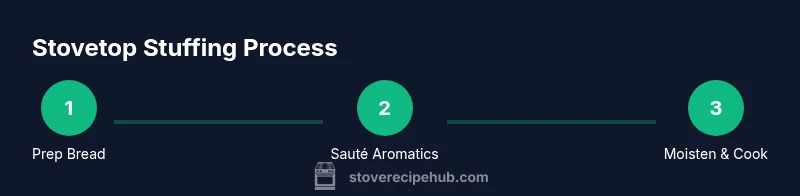
Cube the bread and spread out on a sheet to dry for 10–15 minutes at room temperature, or lightly toast in a dry skillet for 4–5 minutes. Dice onion and celery; mince garlic. This prep sets you up for even absorption and a balanced aroma profile.
Tip: Drying the bread ensures it soaks up moisture evenly without becoming mushy. - 2
Sauté aromatics in fat
In the skillet, melt butter over medium heat. Add onion and celery; sauté until translucent, about 5–7 minutes. Stir in garlic for 30 seconds until fragrant, then turn off the heat to prevent browning. This forms the flavor base.
Tip: Keep the heat moderate to avoid browning, which can add bitterness. - 3
Build the stuffing base
In a large bowl, combine bread cubes with the sautéed aromatics and chopped herbs. If using eggs as a binder, whisk them with a small amount of stock and fold into the mixture. This step ensures the stuffing holds together while remaining light.
Tip: Eggs help binder, but omit for a vegan version or if you prefer a looser texture. - 4
Moisten gradually with stock
Add warm stock a little at a time, folding gently, until the bread just slightly holds its shape when pressed. The goal is moist but not soggy, so stop when you see a cohesive, pillowy mixture.
Tip: Too much liquid makes the mixture heavy and dense; less is more here. - 5
Cook on the stovetop
Spread the mixture evenly in the skillet, press lightly, and cover. Simmer on low heat for 8–12 minutes, until heated through and the flavors meld. Stir gently once or twice to promote even texture.
Tip: Keep the lid on to trap steam and maintain tenderness. - 6
Rest, fluff, and serve
Remove from heat and let rest for 5–10 minutes. Fluff with a fork, adjust seasoning, and serve as a savory side. For a crisper top, uncover and cook a minute or two longer, if your skillet allows.
Tip: Resting helps the moisture distribute evenly for a fluffy finish.
Common Questions
Can I make stove stuffing ahead of time?
Yes. Cook the stuffing through, then cool promptly and refrigerate for up to 2 days. Reheat gently on the stove with a splash of stock to restore moisture and fluff.
Yes, you can make it ahead; refrigerate and reheat gently with a little stock.
What bread works best for stovetop stuffing?
Day-old white bread is traditional for a balanced texture. Cornbread adds sweetness and a slightly crisper bite. For gluten-free meals, use sturdy gluten-free bread and ensure your stock is gluten-free.
Day-old bread is most common; feel free to mix in cornbread for sweetness, or choose gluten-free options as needed.
How do I prevent soggy stuffing on the stovetop?
Dry your bread adequately, add stock gradually, and avoid overmixing. If it seems too wet, cook uncovered for a few extra minutes to evaporate excess moisture.
Moisten gradually and don’t overwork the mix; you want cohesion without mush.
Can I add meat like sausage or mushrooms?
Yes. Brown sausage or sauté mushrooms separately to render moisture, then fold into the stuffing. This keeps texture firm and prevents greasiness.
Yes—cook the meat separately, then mix in to maintain texture.
Is stove-top stuffing safe to reheat?
Yes. Reheat to steaming hot, stirring occasionally. Store leftovers in the fridge within two hours of cooking and reheat thoroughly before serving.
Reheat until steaming hot and enjoy again safely.
How long can leftovers be stored?
Leftovers can be refrigerated for 3–4 days. For longer storage, freeze in portions and thaw before reheating with extra stock.
Keep leftovers in the fridge for a few days or freeze for longer storage.
Watch Video
Top Takeaways
- Choose bread that fits your flavor (white, whole-wheat, or cornbread).
- Toast bread cubes to enhance texture and prevent sogginess.
- Moisten gradually with warm stock and stop before it’s soaking-wet.
- Rest the stuffing to allow moisture to distribute for a fluffy finish.
- Experiment with herbs and add-ins (sausage, apples) to tailor to the meal