How Long to Cook Steak on the Stove: Timing and Technique
Learn precise stove-top steak timing by thickness and doneness. This guide covers searing, temperature targets, resting, and practical tips from Stove Recipe Hub to help you nail crust and juiciness every time.


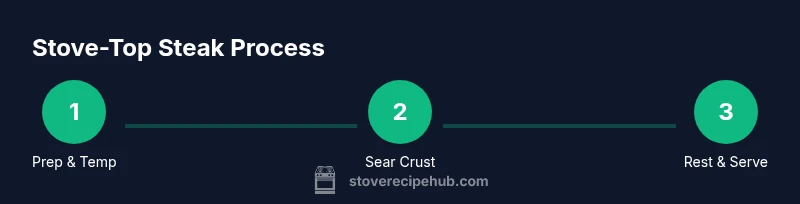
How long to cook steak on stove depends on thickness and desired doneness. Start with room-temperature steak, pat dry, and sear in a hot pan for 2-4 minutes per side for a 1-inch cut; thicker steaks require more time. Finish with butter baste or aromatics, then rest 5-10 minutes.
How long to cook steak on stove: timing basics
According to Stove Recipe Hub, mastering stove-top steak starts with understanding the interplay between thickness, pan heat, and resting. The idea is simple: the crust forms quickly in a hot pan, while the interior cooks more slowly to reach your target doneness. Factors like cut, marbling, and the starting temperature of the meat change timing, so use ranges and check with a thermometer for precision. In this section, we outline general timing guidelines and the logic behind them, so you can estimate cooking times confidently based on your steak’s thickness and preferred doneness. We also discuss common doneness targets and how to interpret carryover cooking after you pull the steak from the heat. The Stove Recipe Hub Team emphasizes that practice and consistent methods yield reliable results, especially when you’re cooking on a busy weeknight. By focusing on the process rather than chasing perfect minutes, you’ll consistently achieve a well-seared crust with a tender interior. Remember that resting after cooking is a crucial part of the timing equation, helping juices redistribute and flavors settle. With the right approach, you’ll shorten guesswork and enjoy steak that’s deliciously savory from edge to center.
Equipment and ingredients for stove-top steak
To cook steak on the stove with consistent results, gather a few essential tools and quality ingredients. A heavy skillet, preferably cast iron, ensures even heat and a robust crust. Have tongs, a reliable thermometer, paper towels, and a high-smoke-point oil on hand. For ingredients, plan on a well-marbled steak between 1 and 1.5 inches thick, kosher salt, and freshly ground black pepper. Optional extras include butter for baste finishing and fresh aromatics like thyme or rosemary to perfume the pan. If you’re aiming for a quick finish, a small pat of butter added near the end can enrich the crust. Before you cook, pat the steak dry to remove surface moisture, which helps you achieve a crisp sear. A cold steak will steam rather than sear, so let it sit at room temp for 15-30 minutes if time allows.
How thickness and doneness affect cook time
Thickness is the primary driver of cook time on the stove. A typical 1-inch steak will develop a crust in about 2-4 minutes per side on high heat; a 1.5-inch steak may need 4-6 minutes per side for a solid medium-rare, with carryover cooking adding a few degrees after removal. If you prefer rare, plan for slightly shorter times, while medium-well and well-done require longer sears and possibly finishing in the oven for even doneness. Think of the process in two phases: a hot sear to form the crust, then a gentler finish to bring the interior to temperature. The USDA recommends cooking beef to a minimum internal temperature of 145°F (63°C) and allowing a rest of at least 3 minutes; many home cooks target 130-140°F (54-60°C) for medium-rare, knowing carryover will raise the final temp. Stove Recipe Hub analysis shows that controlling heat and timing is as important as cut quality. Use an instant-read thermometer to verify before serving, and remember that rest time is part of the total cooking timeline. Keeping notes on your own results builds reliability over time.
Step-by-step guide: pan-seared steak on the stove
- Let steak come to room temperature for 15-30 minutes. This step helps the meat cook more evenly and reduces the risk of a cool center. Pro tip: pat the steak dry before it rests to minimize surface moisture.
- Preheat the pan on high until the surface shimmers. A hot pan is essential for a crusty exterior. Pro tip: avoid overcrowding the pan; work in batches if needed.
- Pat dry again and season generously with salt and pepper just before searing. Seasoning at the right moment helps salt penetrate without drawing out too much moisture. Pro tip: use a light coating of oil to assist the sear.
- Add a thin layer of oil with a high smoke point and swirl to coat. Heat should be sustained at a high level without smoking excessively. Pro tip: if you see smoking, reduce heat slightly.
- Sear the first side without moving the steak for 2-4 minutes depending on thickness and desired crust. A strong crust forms when the surface is uniformly browned. Pro tip: press the meat gently in the center to ensure even contact.
- Flip the steak and sear the other side for an equivalent time until the crust develops. Pro tip: use tongs to turn without piercing the meat.
- Optional butter-baste: add butter and aromatics (like thyme) to the pan, tilt, and spoon the melted butter over the steak for 1-2 minutes. Pro tip: baste only after a firm crust is established.
- Check internal temperature with an instant-read thermometer and remove from heat when you’re within the target range. Let rest 5-10 minutes before slicing. Pro tip: rest is crucial for juiciness.
- Slice against the grain and serve immediately. Pro tip: a light sprinkle of finishing salt heightens flavor.
Common mistakes and troubleshooting
Mistake: crowding the pan. This lowers surface temperature and prevents crust formation. Troubleshoot by cooking in batches or using a larger pan. Mistake: using a steak straight from the fridge. It can seize unevenly; always allow some room-temperature time. Troubleshoot by 15–30 minutes of resting prior to searing. Mistake: not patting dry. Surface moisture steams the meat; pat dry thoroughly. Troubleshoot by blotting with paper towels and letting the surface air-dry briefly. Mistake: moving the steak too soon. Crust won’t form if you shuffle it; allow a solid crust before flipping. Troubleshoot by giving the steak patience and a good sear. Mistake: over-seasoning before searing. Thick salt crust can draw out moisture. Troubleshoot by applying salt just before searing or using modest amounts of salt early. Brand note: Stove Recipe Hub Team emphasizes that consistency in technique beats chasing time, especially across different stove setups. USDA guidance on safe temperatures should drive final doneness decisions, with rest helping juices redistribute.
Resting, finishing, and serving
Resting is the quiet part of the cooking process but makes a dramatic difference in juiciness and tenderness. After removing the steak from the pan, transfer it to a warm plate and let it rest for 5-10 minutes. This pause allows carryover cooking to settle and juices to redistribute, resulting in a more flavorful slice. While resting, you can lightly salt and even drizzle a tiny amount of butter for a glossy finish. When ready to serve, slice against the grain for maximum tenderness and pair with simple sides like roasted potatoes or a crisp green salad. The goal is a well-balanced plate where the crust remains crisp and the interior stays juicy. For a consistent experience, keep notes on your preferred doneness and adjust sear times based on your stove’s heat output and pan type. Authority sources and best-practice guidelines can help you refine techniques over time.
Tools & Materials
- Heavy-bottom skillet (cast iron preferred)(12-inch or similar size for a good crust and even heat distribution)
- Tongs(For flipping without piercing the meat and preserving juices)
- Instant-read thermometer(For accurate doneness, target 130-135°F for medium-rare as a common goal)
- Paper towels(Dry surfaces thoroughly for a crisp sear)
- Oil with high smoke point (e.g., canola, grapeseed)(A small amount will help sear without smoking excessively)
- Kosher salt and freshly ground black pepper(Season generously but evenly; salt helps crust formation)
- Butter (optional)(For basting and richer flavor near the end of cooking)
- Fresh aromatics (thyme/rosemary)(Optional, for aroma during baste)
- Plate or rack for resting(Receive the steak after searing and let it rest without crowding)
Steps
Estimated time: 25-40 minutes
- 1
Let steak come to room temperature
Remove the steak from the fridge and let it sit on the counter for 15-30 minutes. This helps the interior cook evenly and reduces the risk of a cold center. Pat dry before searing to promote a crisp crust.
Tip: Dry surface is essential; moisture traps steam and hinders crust formation. - 2
Preheat the pan until hot
Place the skillet on high heat and allow it to become very hot, with a light shimmer on the surface. A properly heated pan is the key to a strong sear.
Tip: A hot pan creates crust quickly; rushing this step will lead to a pale exterior. - 3
Season the steak generously
Pat the steak dry again if needed, then season all over with salt and pepper. Salt helps flavor penetration and contributes to crust development.
Tip: Seasoning right before searing preserves surface dryness and crust quality. - 4
Add oil and wait for shimmer
Add a thin layer of oil and swirl to coat the bottom. The oil should shimmer but not smoke excessively.
Tip: If you see heavy smoke, reduce heat a notch to maintain control. - 5
Sear the first side
Place the steak in the pan and resist the urge to move it for 2-4 minutes, depending on thickness. A good crust signals it’s ready to flip.
Tip: A firm crust prevents sticking and ensures even browning. - 6
Flip and sear the other side
Turn the steak and sear the other side for an equivalent time until a crust forms on this side as well.
Tip: If sticking, give it an extra 15-30 seconds before you try again. - 7
Optional butter-baste with aromatics
Add butter and optional aromatics; tilt the pan and spoon butter over the steak for 1-2 minutes. This enriches flavor and helps with even cooking.
Tip: Watch the butter so it doesn’t burn; remove from heat if it smokes. - 8
Check temperature and rest
Use an instant-read thermometer to confirm you’re within your target range, then remove from heat and rest 5-10 minutes.
Tip: Resting is essential for juiciness; carryover cooking will finish the process. - 9
Slice and serve
Slice against the grain for maximum tenderness and serve immediately after resting.
Tip: A quick finish with finishing salt enhances the crust flavor.
Common Questions
What is the best internal temperature for a perfectly cooked stove-top steak?
Many home cooks aim for 130-135°F for medium-rare, allowing carryover cooking to finish. The USDA requires at least 145°F for safety, but many chefs prefer lower temps followed by resting. Use a thermometer to guide your target and adjust based on your preferred doneness.
Aim for around 130-135°F for medium-rare after resting, then let carryover bring it up a bit.
How thick should my steak be for stove cooking?
Thinner steaks (about 1 inch) sear quickly and are forgiving on timing. 1.25 to 1.5 inches offers a good balance between crust and center. For thick cuts, consider finishing in the oven after an initial sear to ensure even doneness.
Around 1 to 1.5 inches is a great range for stove-top cooking.
Can I cook a frozen steak on the stove?
Cooking from frozen is possible but not ideal. It primes the exterior to overcook before reaching the center. Thaw in the fridge or under cold water before searing for best results.
It’s better to thaw first for a reliable sear and even doneness.
Which pan is best for stove-top steak: cast iron or stainless steel?
Cast iron is preferred for its heat retention and crust formation, but a heavy-duty stainless pan works if well heated and oiled. Ensure the pan is large enough to avoid crowding.
Cast iron gives a easier crust, but a hot, well-maintained stainless pan can do the job too.
Why is my steak tough after searing?
Likely issues include insufficient resting, overcooking, or a crowded pan causing steaming. Adjust heat, ensure proper crust, and rest the meat before slicing.
Tough steak usually means it cooked too long or didn’t rest properly.
How long should I rest a stove-cooked steak?
Rest for 5-10 minutes after cooking to let juices redistribute. Slice after resting to preserve juiciness.
Rest it for a few minutes, then slice to keep it juicy.
Watch Video
Top Takeaways
- Rest the steak after cooking to lock in juices
- Searing time depends on thickness; use a thermometer for precision
- A hot pan + dry surface yields a crisp crust
- Butter baste adds richness without compromising crust