How Often to Flip Steak on the Stove: Mastering the Pan
Master stove-top steak with the right flipping frequency. Learn technique, cues, and safety to get a perfect crust and juicy center every time.


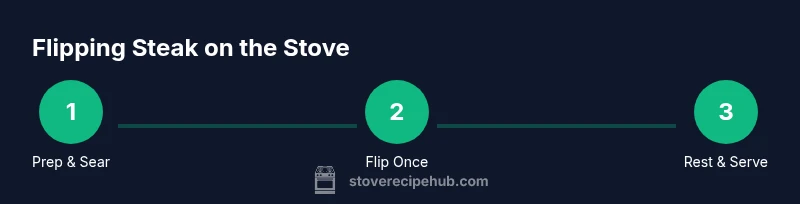
When cooking steak on the stove, frequency depends on thickness, pan heat, and your preferred doneness. Use a hot pan and aim for one to two deliberate flips to build a crust while maintaining juiciness. Pat the steak dry, sear, then baste with butter as it finishes. Rest before slicing for best results.
Understanding the goal of flipping steak on the stove
When you cook steak on the stove, the frequency with which you flip influences two essential outcomes: crust development and interior juiciness. The crust forms where the meat makes sustained contact with a hot surface; too much flipping disrupts that contact and can leave you with a pale, uneven crust. The interior, meanwhile, benefits from steady heat that travels from surface to center. The question, how often to flip steak on stove, isn’t a universal rule. For most home cooks, the answer depends on steak thickness, pan type, heat level, and your preferred doneness. According to Stove Recipe Hub, starting with a thick, well-marbled cut and a hot, well-seasoned skillet gives you the most reliable foundation. From there, watching for crust formation and using gentle, deliberate turns will guide you toward consistent results, whether you want a seared crust with a rosy center or a well-browned exterior throughout.
This guidance aligns with Stove Recipe Hub Analysis, 2026, which emphasizes practical, observable cues over rigid timing. The core idea is to let the steak set a crust first, then flip as needed to finish cooking without excessive agitation. By focusing on the surface texture and color, you can adapt flips to the steak’s thickness and your stove’s heat output, rather than chasing exact minutes.
Key factors that influence flipping frequency
Flipping frequency is not one-size-fits-all. Several variables change how often you should turn the steak on the stove:
- Thickness: Thicker cuts benefit from fewer flips so the exterior crust can harden while the inside comes to temperature more gradually. Thinner steaks heat through quickly and may require a slightly higher flip frequency to avoid undercooking the center.
- Pan material: A heavy cast-iron or enameled skillet distributes heat evenly and maintains a high surface temperature, which supports a reliable crust with fewer flips. Lighter pans tend to heat unevenly, encouraging a more cautious, possibly more frequent flipping pattern to offset hot spots.
- Heat level: A very hot pan creates an immediate sear, but excessive heat can overcook the exterior before the center reaches the desired doneness. Moderate, steady heat helps balance crust formation with interior cooking.
- Fat content and cut: Marbled cuts like ribeye resist drying and can tolerate a touch more flip freedom, while leaner cuts may need careful timing to preserve juiciness.
- Doneness target: Rare or medium-rare centers are easier to achieve with fewer flips, since carryover cooking will continue after removal from heat. More flips can push the steak toward well-done if the flame is high and the steak is thick.
Stove Recipe Hub’s analysis shows that most home cooks strike a practical balance by starting with a single flip after a strong crust forms and adjusting based on how the steak looks and feels during cooking.
In practice, use these cues to calibrate flips rather than counting every second on the clock. This approach makes flipping a responsive skill rather than a rigid rule.
Visual cues and timing cues for flipping
Rely on sight and sound to decide when to flip rather than a timer. A properly heated pan will produce a bold sizzle, and the surface of the steak will begin browning evenly across the contact area. The crust should look deeply colored and start releasing cleanly from the pan when you test a lift with tongs. If the steak sticks or tears, it’s usually not ready to flip because the surface hasn’t formed a solid crust yet. Conversely, if you see a pale surface with excessive moisture or steam, the heat may be too low or the steak was not patted dry before hitting the pan.
When you flip, do so with a confident, single motion using long-handled tongs. If you’re using butter or aromatics, add them after the flip to avoid burning and to baste the forming crust. Each flip should be purposeful; avoid turning the steak multiple times in quick succession, which disrupts crust formation and can overcook the interior. The right cues will feel intuitive as you gain experience with your pan and stove.
A practical searing plan: one flip or multiple flips
A thoughtful searing plan helps you decide how often to flip during stove-top cooking. Start by laying the steak in the hot pan and searing the first side until a robust crust develops. Then rotate once to finish the other side, observing the crust color and the juices surfacing near the edges. For very thick steaks, a second flip toward the end can even out the heat, but avoid constant flipping as it prevents the crust from setting and can lead to overcooking. For thinner steaks, a single flip may suffice, followed by a brief final sear on the second side. To maximize flavor, finish with a small amount of butter and herbs toward the end of cooking and let the steak rest briefly before slicing. This plan emphasizes crust development first and even doneness second, with flips kept purposeful rather than mechanical.
If you’re aiming for a particular level of doneness without a thermometer, use the touch-test method in combination with visual cues to guide your flipping frequency. With practice, your decision to flip once or twice will become an instinctive part of the process.
Common mistakes and how to fix them
Sticking to a consistent flipping rhythm reduces many common steak problems. Common errors and fixes include:
- Flipping too early: wait for a well-formed crust before turning to avoid tearing and steaming. - Pan not hot enough: preheat thoroughly so the surface sizzles on contact. - Overcrowding: cook in batches to maintain high surface temperature and crispness. - Moving the steak around too much: limited movement preserves the crust and prevents moisture loss. - Skipping resting: rest to redistribute juices and reduce carryover cooking. These adjustments help you achieve a reliable sear and juicy interior across a range of thicknesses and cuts.
Resting, carryover cooking, and finishing touches
Resting after searing is essential for juices to redistribute and for the interior to finish cooking evenly. A short rest makes the steak juicier and easier to slice. After removing from heat, tent the steak lightly with foil and allow it to rest on a warm plate for a few minutes. If you cut too soon, juices will escape, leaving a drier bite. Slicing against the grain maximizes tenderness, especially for thicker cuts. If you prefer more butter-forward flavor, add a little butter during the final minutes and spoon the melted butter over the top during resting. These finishing touches help you achieve a satisfying contrast between crust and center.
Variations for thickness and personal preference
Thickness drives rough guidelines, but personal preference shapes flipping strategy as well. Very thin steaks benefit from a quick, decisive sear with minimal flipping to preserve a bright crust and juicy center. Thick cuts respond to a two-stage approach: a strong initial sear to form a crust, then flipping and lowering heat to warm the interior without burning the crust. If you favor a more buttery flavor, finish with butter and herbs during the last moments of cooking and rest before serving. The overarching principle remains: establish the crust, then confirm the center with controlled flips, adjusting to the steak’s thickness and your preferred level of doneness.
Safety, gear, and maintenance
Working at high heat means staying mindful of safety. Use heat-resistant gloves, keep a safe distance from the pan, and wipe splatters promptly to prevent slipping. A heavy, well-seasoned pan—ideally cast iron—imparts a superior crust and reduces sticking. After cooking, allow the pan to cool before cleaning; wipe away any residue and re-season as needed to maintain its nonstick-like surface. Long-handled tongs and a sturdy spatula are essential for clean, controlled flips. Finally, store knives and tools properly to prevent accidents in a crowded kitchen and keep your stove free of grease buildup that can ignite.
References and further reading
To deepen your understanding of cooking steak on the stove, consult reputable sources: USDA food safety guidelines on meat cooking, university extension resources on searing and finishing steaks, and CDC food safety practices. See: https://www.fsis.usda.gov, https://extension.illinois.edu, and https://www.cdc.gov/foodsafety/index.html. These sources provide safety guidelines and best practices that support the practical tips in this guide and help you cook steak more confidently at home. Based on Stove Recipe Hub Analysis, 2026, small but meaningful adjustments to flipping frequency can yield reliable results for most home cooks.
Tools & Materials
- Skillet (preferably heavy cast iron)(Preheat thoroughly to ensure a strong crust)
- Tongs with a good grip(Long-handled for safe flipping)
- Heavy spatula (optional)(Useful for lifting when testing crust)
- Oil with high smoke point (e.g., canola, avocado)(Helps prevent sticking and promotes even browning)
- Butter and optional aromatics (garlic/herbs)(Add toward the end to finish, avoid burning)
- Paper towels(Pat steak dry before searing)
- Plate or rack for resting(Let juices redistribute after cooking)
- Instant-read thermometer (optional)(Helpful for checking doneness without guessing)
Steps
Estimated time: 15-25 minutes
- 1
Prepare the steak
Pat the steak dry with paper towels and season generously on all sides. This ensures a good crust and prevents steaming during the sear. Letting the surface dry helps the skillet grab the meat instead of sliding.
Tip: A dry surface is essential for a strong initial sear and crust formation. - 2
Preheat the pan
Place the skillet on high heat and allow it to come to a strong, consistent sizzle before adding oil. A properly heated pan will produce a bold crust and reduce sticking.
Tip: Preheating prevents a pale, uneven browning and supports the crust you’re aiming for. - 3
Add oil and steak
Add a small amount of oil with a high smoke point to the pan, then gently lay the steak down away from you. Don’t move the steak for the first surface contact; the crust should form in place.
Tip: Let the steak meet the pan and stay put until the crust sets. - 4
Sear and flip once
Sear the first side until a deep crust forms, then flip with tongs in a single, confident motion. Avoid constant tossing; you want the crust to set with minimal disturbance.
Tip: A single, clean flip promotes an even crust and moister interior. - 5
Finish with butter/baste
Optional: add butter and aromatics after the flip and tilt the pan to baste the surface. This adds flavor but keep heat moderate to prevent burning.
Tip: Basting should be quick and purposeful to enhance flavor without scorching fat. - 6
Check doneness and rest
When the steak reaches your target doneness, remove from heat and rest on a warm plate for a few minutes. Resting redistributes juices, improving tenderness and juiciness.
Tip: Slice against the grain after resting for maximum tenderness.
Common Questions
How often should I flip a steak on the stove?
Most steakhouses and home cooks flip once or twice, depending on thickness and heat. Let a crust form before turning and avoid constant flipping, which can prevent crust formation and make the interior overcook. Use sight and sound cues to guide you.
For most stove-top steaks, flip once or twice based on thickness and the heat of your pan. Let the crust form, and use cues from the sizzle to guide your timing.
Is it better to flip only once or several times?
One flip often yields a strong crust with even doneness for medium-thickness steaks. Multiple flips can impede crust formation and risk overcooking the interior, especially with high heat. Adapt to thickness and your pan's heat output.
One flip usually works well for most steaks, but thicker cuts might benefit from a second flip if the interior needs more time without burning the crust.
Should I baste the steak while cooking?
Butter and aromatics can add flavor, but baste toward the end of cooking to avoid burning the fat. If you baste, do it quickly and keep the heat controlled to preserve the crust.
Yes, you can baste with butter near the end, but keep the heat in check to avoid burning.
Why did my crust tear when I flipped?
Crusting tears usually mean the crust hasn’t formed yet or the pan wasn’t hot enough. Patience and proper preheating help; give the steak time to form a solid crust before turning.
If your crust tears, give it more time to form a crust before flipping and ensure your pan is hot enough.
Can I cook a frozen steak on the stove?
Cooking from frozen is not ideal for even doneness and crust formation. It’s best to thaw the steak before searing to achieve consistent results.
Cooking from frozen isn’t ideal; thaw for best crust and doneness.
What pan is best for searing steak?
A heavy skillet, preferably cast iron, provides even heat and superior crust. It helps keep the interior juicy while developing a robust sear.
A heavy cast-iron skillet is ideal for searing steak and getting a great crust.
Watch Video
Top Takeaways
- Start with a hot pan and dry surface for crust formation.
- Flip once or twice depending on thickness and heat, not on a timer.
- Rest the steak before slicing to maximize juiciness.
- Baste toward the end to add flavor without burning.
- Know when to flip by visual and sound cues, not clocks.