How to Cook Skirt Steak on the Stove
Learn how to cook skirt steak on the stove with a hot skillet, bold seasoning, and a brief rest. This expert guide from Stove Recipe Hub covers selection, technique, timing, and serving for a juicy, crusty result.


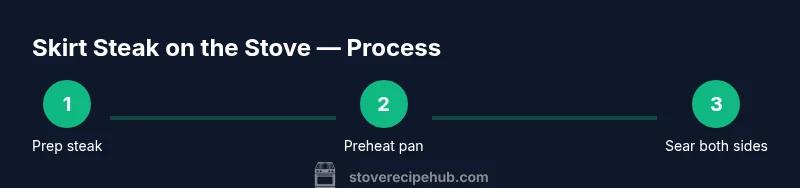
According to Stove Recipe Hub, you can master how to cook skirt steak on stove by searing a well-seasoned cut in a hot skillet, then finishing to medium-rare. Start with a dry pat and a high-heat pan, sear 2–3 minutes per side, and rest briefly to lock in juices. This method delivers a flavorful crust and tender interior in minutes.
Why the Stove Method Works for Skirt Steak
Skirt steak is a flavorful, relatively thin cut that benefits from quick, high-heat cooking to develop a deep crust while keeping the interior juicy. The stovetop method gives you tight control over heat and timing, which is crucial for skirt steak because it can become tough if cooked too long. A hot pan encourages rapid Maillard browning, creating aroma and crust, while a brief rest lets juices redistribute. When done right, the steak remains tender and slices beautifully across the grain. For home cooks, mastering this technique matters because it unlocks a reliable, weeknight-friendly way to deliver restaurant-quality sear without an oven or grill. Remember, the goal is balance: a crusty exterior with a medium-soft center that’s sliced thinly for maximum tenderness.
Choosing and Preparing Skirt Steak
Skirt steak comes from the diaphragm muscle and has a pronounced grain and bold flavor. Look for a bright red color with minimal grey spots and a firm, flexible texture. Thickness varies, but most skirt steaks are between 1/4 and 3/4 inch thick; thicker cuts can still work, but require careful timing. Before cooking, trim any thick silverskin if visible and pat the surface completely dry with paper towels. Bring the steak to room temperature for 15–30 minutes to ensure even cooking, and avoid scoring or overhandling the surface, which can draw out juices. A well-prepped steak sears more evenly and yields a better crust.
Drying, Seasoning, and Temperature Control
A successful sear starts with moisture management. Pat the steak dry, then season generously with salt and pepper. Salt helps form the crust by drawing moisture to the surface initially, which then evaporates as the pan heats. Use a high-smoke-point oil (like canola or avocado) and enough to shimmer without pooling. Preheat the skillet over medium-high heat until shimmering and just shy of smoking. If your pan is not hot enough, you’ll end up steaming the steak instead of searing it, which dulls flavor and crust.
Searing Technique for a Perfect Crust
Place the steak in the pan away from you to avoid splatter, and avoid moving it for the first 1–2 minutes to establish a crust. Sear the first side for about 2–3 minutes until a deep brown crust forms. Flip carefully with tongs and sear the other side for a similar time, reducing heat slightly if you see excessive smoke. Optional butter or aromatics can be added toward the end for flavor, but keep a close eye to prevent burning. If using a thermometer, aim for 125–130°F for medium-rare and adjust from there. The goal is a crusty exterior with a warm, pink center.
Resting, Slicing, and Serving
Rest the steak for 5–10 minutes on a warm plate to let juices redistribute. Do not skip this step, or juices will run when you slice. Slice against the grain in thin, even slices to maximize tenderness. Skirt steak benefits from quick, precise slicing; the long fibers run along the grain and can be tough if cut with it. Serve with bright acids like a squeeze of lemon, a dab of chimichurri, or a simple herb butter to complement the beef’s bold flavor.
Common Mistakes and How to Fix Them
Common mistakes include under-seasoning, moving the steak too soon, overcrowding the pan, and overheating to the point of smoke with a burnt crust. Fixes are straightforward: pat dry, season generously, use a properly preheated pan, cook in a single layer, and monitor heat to maintain a steady sear. If the crust isn’t forming, increase the heat a touch and give the steak a longer uninterrupted sear. If the interior is underdone, finish with a brief second sear or reduce heat and cook a little longer, then rest.
Variations and Pairings
To vary flavor without changing technique, try a simple dry rub with smoked paprika, garlic powder, and coriander. A light brush of olive oil after searing enhances aroma and texture. Pair skirt steak with sides that balance its intensity, such as roasted vegetables, a fresh salad, or a tangy chimichurri. For a complete stove-top dinner, consider quick sautéed mushrooms, peppers, or onions that cook in the same pan after the steak rests. The result is a quick, satisfying meal with depth and complexity.
Tools & Materials
- Cast-iron skillet (12-inch or larger)(Even heat distribution and excellent crust formation.)
- Tongs(Use to flip steak gently without piercing the meat.)
- Paper towels(Pat surface dry to promote searing.)
- Plate for resting(Allow juices to redistribute after cooking.)
- Neutral high-smoke-point oil (canola or avocado)(Prevents sticking and supports a crisp crust.)
- Coarse salt and freshly ground black pepper(Key to crust and flavor balance.)
- Instant-read thermometer(Helpful for verifying doneness without cutting.)
- Optional: butter for finishing(Adds depth; use sparingly to avoid burning.)
Steps
Estimated time: 25-30 minutes
- 1
Pat dry and bring to room temperature
Pat the steak dry with paper towels and let it rest at room temperature for 15–30 minutes. This reduces surface moisture that can steam the meat and helps form a better crust.
Tip: A dry surface is essential for a crusty exterior; don’t skip patting dry. - 2
Preheat the pan to high
Heat your cast-iron skillet over medium-high until it glistens and a drop of water sizzles away. A properly heated pan delivers a rapid, even sear that locks in juices.
Tip: If the pan isn’t hot enough, you’ll get a pale crust and uneven doneness. - 3
Season generously
Season the steak liberally with coarse salt and pepper just before cooking. The salt migrates and helps form a crust. Avoid washing off seasonings after searing.
Tip: Seasoning is your first line of flavor; don’t under-salt. - 4
Add oil and lay steak in
Add a thin layer of oil and place the steak in the pan away from you to prevent splatter. Let the surface contact the pan uninterrupted for 2–3 minutes to form a crust.
Tip: Resist the urge to move the steak early; movement disrupts crust formation. - 5
Flip and finish with a second side
Flip with tongs and sear the other side 2–3 minutes for a crust. If using a thermometer, remove from heat at 125–130°F for medium-rare and let carryover heat finish.
Tip: Keep heat steady; too high heat can burn the crust before the inside cooks. - 6
Rest briefly and slice
Transfer to a plate and rest 5–10 minutes. Slice against the grain in thin pieces to maximize tenderness, then serve with your preferred sauce or accompaniment.
Tip: Resting is non-negotiable for juicy slices.
Common Questions
What temperature should skirt steak reach when cooked on the stove?
For a classic seared result, some cooks target medium-rare around 130–135°F, while others aim for medium near 140–145°F. The USDA recommends cooking beef to 145°F (with a rest). Use a thermometer for accuracy and slice after resting.
Aim for medium-rare around 130–135 degrees for a juicy center, but remember the USDA recommends 145 degrees; use a thermometer and rest before slicing.
Can I marinate skirt steak for stove cooking?
Marinating is plenty effective for adding flavor and tenderness. Even a short 15–30 minute marinade can improve juiciness. Do not marinate too long, as acidic marinades can begin to affect texture.
Yes, marinating for 15 to 30 minutes works well. Avoid very long acidic marinades that can alter texture.
Is a cast-iron skillet necessary for searing?
Cast iron is ideal because it retains heat well and produces a consistent crust, but a heavy stainless steel skillet works too if it’s well-heated and properly preheated.
Cast iron is best for even searing, but a hot stainless pan can also do a good job.
How thick should skirt steak be for stove cooking?
Skirt steak commonly ranges from 1/4 to 3/4 inch thick. Thicker cuts require slightly longer sear times and closer attention to doneness to avoid overcooking the exterior.
Most skirts are ready in a short sear; thicker cuts mean adjusting time a bit.
What should I do if the steak sticks to the pan?
Ensure the pan is hot and dry, use a thin layer of oil, and avoid moving the meat too early. If sticking occurs, briefly raise the steak, re-sear, and lower heat as needed.
If it sticks, lift gently, add a little oil, and sear again after a brief rest.
Watch Video
Top Takeaways
- Pat dry the steak before cooking.
- Preheat a heavy skillet to high heat for crust formation.
- Season boldly and rest before slicing.
- Slice against the grain for tenderness.