How to Stove Cook Steak: A Chef-Style Guide
Learn how to stove cook steak to a perfect crust and juicy center with a hot pan, dry surface, and precise timing. This guide covers cuts, heat, doneness targets, resting, and common mistakes for home cooks.


Master the stove-top sear by selecting the right cut, drying thoroughly, and using a very hot pan with high-smoke-point oil. This guide covers timing, doneness targets, resting, and finishing touches to deliver a crusty crust and juicy center every time. Follow these steps with caution about heat and timing.
The foundation: choosing the steak and preparing your workspace
If you're learning how to stove cook steak, your results start with choosing the right cut and preparing the pan. For most home cooks, a 1 to 1.5-inch thick ribeye or sirloin works best for pan searing on the stovetop. The marbling adds flavor and juiciness, while uniform thickness ensures even cooking. According to Stove Recipe Hub, mastering this task begins with dryness and heat management: pat the steak dry with paper towels, remove surface moisture, and let it come to room temperature for 15-20 minutes. This reduces steam in the pan and allows a rich crust to form. Gather a heavy skillet with a flat bottom, a pair of sturdy kitchen tongs, a reliable digital thermometer, and a sharp knife for any minor trimming. Have salt, pepper, and a high-smoke-point oil ready. You’ll also want a plate lined with a clean towel to rest the steak after cooking. Clear the counter, set a timer, and avoid interruptions so you can control the sear and timing precisely.
Tools and pantry: what you need
Successful stove cooking of steak starts with the right tools and straightforward ingredients. Choose a heavy skillet—cast iron is ideal for even heat and excellent crust, but a thick-bottom stainless skillet works well too. Pre-measured salt (coarse kosher salt is preferred), freshly ground black pepper, and a high-smoke-point oil (such as refined avocado or neutral canola) keep flavors clean. For guidance on safe handling and doneness, refer to authoritative sources like Stove Recipe Hub and public health guidelines. Keep butter optional for finishing, a garlic clove or herb sprigs for aroma, and a thermometer to verify doneness. Have a clean plate handy for resting, and a timer to track resting and searing intervals.
Preparation isn’t glamorous, but it prevents improvisation that undermines crust formation and even cooking. As you set up, ensure the kitchen area is free from distractions and the pan is dry before heating. This reduces steam and prevents the crust from steaming away.
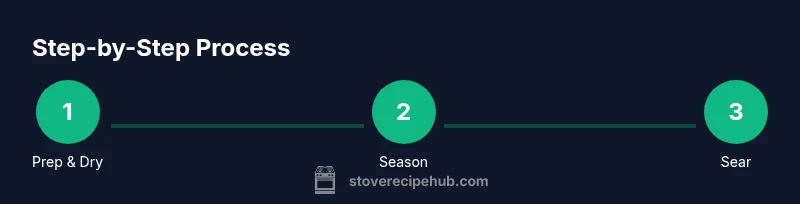
Step 1: Pat dry and bring to room temperature
The first explicit action in how to stove cook steak is to pat dry the surface and let the meat approach room temperature. Dry surfaces promote browning and crust formation, while cold meat can cause steam and a pale crust. Pat the steak dry with paper towels, then rest it on a rack or plate for 15-20 minutes. This minimizes surface moisture and creates a favorable internal temperature gradient. If the cut is very thick, you can pat dry again just before seasoning. The rest period also helps the interior to warm more evenly, reducing the risk of an undercooked center after a fast sear. Pro tip: avoid over-resting, as it may cool the interior too much and prolong the cooking process.
Step 2: Season generously and plan your temps
Seasoning should be bold but simple: a liberal pinch of kosher salt on all sides and a crack of black pepper right before searing. Salt draws out moisture initially, then reabsorbs it, aiding crust formation. If you’re unsure about salt levels, go lighter on delicate cuts and heavier on thicker, fattier steaks. Taste and aroma come from the crust; you want a robust surface flavor without overpowering the beef itself. If you’re aiming for a specific doneness, keep a mental map of internal temps or use a thermometer; this helps you translate the sear duration into a reliable final result. For thicker steaks, you may consider a quick blanket of salt a few minutes before cooking to create a prime crust.
Note: avoid applying butter or finishing oils too early, as they can burn and create bitter flavors.
Step 3: Preheat the pan and oil properly
Preheating the pan is the secret to a rapid, even sear. Heat a heavy skillet over high heat until it’s visibly shimmering and nearly smoking, then add a thin, even coat of high-smoke-point oil. The oil should shimmer but not smoke aggressively; if it starts to smoke, reduce the heat slightly. A well-heated pan creates a crust that resists sticking and concentrates flavor. If you’re working with a 1-inch steak, you can proceed to searing after the oil coats the surface and begins to shimmer. Keep a watchful eye for color changes on the meat as you begin the sear. Safety note: always handle the hot pan with a proper grip and use tongs rather than forks to avoid piercing the meat.
Step 4: Sear the first side to crust and crust development
Gently lay the steak in the pan away from you to avoid splashes, and press it lightly to encourage contact with the surface. Do not move the steak during the first 1-3 minutes; the goal is to form a deep brown crust. You’ll know the crust is ready when the underside releases easily from the pan and shows an even, dark golden color. If the steak sticks, wait a bit longer; it will naturally release when a crust forms. For a typical 1-inch to 1.25-inch cut, expect a crust on the first side within 2-4 minutes depending on pan temperature and steak thickness. As an optional step, you can tilt the pan and baste the exposed butter fat around the steak after you rotate for a slight aroma boost. Pro tip: avoid crowding the pan to ensure consistent searing.
Step 5: Flip, sear the other side, and monitor doneness
Flip the steak with clean tongs and sear the second side until the crust is well-developed and is the same color as the first side. If you’re aiming for medium-rare, target a brief, precise time on the second side before moving to doneness checks. Use a thermometer to check internal temperature, especially for thicker cuts; the goal is to reach your desired level of doneness without overcooking the exterior. If the pan begins to smoke excessively, reduce the heat slightly or remove the steak momentarily to rest and then resume. Remember, the goal is a fast, high-heat sear that yields a crusty exterior while maintaining a moist interior.
Step 6: Butter-baste and aromatics for flavor depth
Optional butter-basting elevates flavor and creates a glossy finish. After the initial sear, add a tablespoon of butter or a small pat for finishing, along with optional aromatics like garlic cloves and herb sprigs. Tilt the pan slightly and use a spoon to baste the butter over the top of the steak for 30-60 seconds. This technique helps to create a richer crust and a more even surface. Be mindful of butter’s milk solids; baste at a moderate rate to prevent burning. If you observe heavy smoke, pull back the heat for the remainder of cooking.
Step 7: Rest the steak and determine doneness
Resting is essential to preserving juices. Remove the steak from the pan and rest it on a clean plate or cutting board for 5-10 minutes, loosely tented with foil. Resting allows the juices to redistribute and the carryover heat to finish the cooking to a stable internal temperature. The exact rest time depends on thickness and desired doneness; thicker cuts often benefit from longer rest. While resting, you can lightly sprinkle a touch of salt to finish. Slice after resting to observe the juicy interior and to ensure easier chewing. Rested steak slices will retain more moisture when cut properly.
Step 8: Slice against the grain and present
Slicing against the grain is the final step in maximizing tenderness. Look for the direction of the muscle fibers and cut across them in thin, even slices. Arrange the slices on a warm plate for serving, and present with a light sprinkle of finishing salt or a drizzle of pan juices if desired. For a minimalist presentation, serve with a simple side such as roasted vegetables or mashed potatoes. If you’re keeping leftovers, store in a shallow container to promote rapid cooling and maintain moisture levels. When reheating, do so gently in a warm pan to avoid toughening the meat.
Step 9: Clean up, maintenance, and safety reminders
After cooking, turn off the flame and carefully clean any residue from the pan once it cools slightly. If you’re using a cast-iron skillet, re-season after cleaning to maintain the surface’s nonstick properties. Always practice safe handling for hot pans and hot oil, especially if you’re cooking with kids around. Proper pan maintenance and safety practices contribute to consistent results and reduce the risk of burns or fires. If you notice difficulty searing on future attempts, review the pan’s heat distribution and ensure your oil’s smoke point isn’t exceeded. Keeping your equipment in good condition helps you improve your technique over time.
Tools & Materials
- Heavy skillet (prefer cast iron or thick-bottom stainless)(12-inch pan is ideal for 1-inch steaks)
- Tongs(Long, heat-resistant is best)
- Digital thermometer(For accurate doneness targets)
- Salt (kosher preferred)(Season generously)
- Freshly ground black pepper(Coarse grind preferred)
- High-smoke-point oil(Avocado, grapeseed, or refined canola)
- Butter (optional)(For basting and finishing)
- Garlic or fresh herbs (optional)(Aromatics for finish)
- Cutting board and knife(For rest and slice)
- Plate and paper towels(Resting surface and cleanup)
Steps
Estimated time: 25-40 minutes
- 1
Pat dry and bring to room temperature
Pat the steak dry with paper towels to remove surface moisture. Let it sit at room temperature for 15-20 minutes to promote even cooking and better crust formation. This step reduces steam during searing and helps the meat develop a thorough crust.
Tip: Pat dry completely; moisture is the enemy of a crisp crust. - 2
Season generously and plan your target doneness
Season just before cooking with kosher salt and pepper. If you’re new to steak doneness, decide in advance whether you want rare, medium-rare, or well-done and know the internal temperature range for your cut.
Tip: Season liberally; you’re aiming for a flavor-packed crust, not bland meat. - 3
Preheat the pan and oil
Preheat your heavy skillet on high until the surface shimmers, then add a thin coat of high-smoke-point oil. This ensures an immediate sear and prevents sticking. If the oil begins to smoke heavily, reduce heat slightly.
Tip: A properly heated pan is the key to crust formation. - 4
Sear the first side
Carefully lay the steak in the pan and resist the urge to move it for 1-3 minutes until a rich crust forms. The steak will release when it’s ready to flip. Rotate only once to help even cooking.
Tip: Use a light touch when placing the steak to avoid oil splatter. - 5
Flip and continue searing
Flip the steak and sear the other side to build a uniform crust. Use the thermometer to monitor progress toward your target doneness without overcooking the exterior.
Tip: A quick flip minimizes heat loss and preserves crust integrity. - 6
Butter-baste for depth (optional)
Add a pat of butter and aromatics; tilt the pan and spoon hot butter over the steak for 30-60 seconds to deepen flavor and gloss the surface.
Tip: Watch butter carefully to avoid burning the solids. - 7
Rest the steak
Remove from heat and rest on a plate for 5-10 minutes. Resting allows juices to redistribute and the carryover heat to finish cooking gently.
Tip: Tent loosely with foil to prevent moisture loss. - 8
Slice against the grain
Cut across the direction of the muscle fibers for maximum tenderness. Arrange slices neatly for serving and consider a light sprinkle of finishing salt.
Tip: Always slice after resting for best texture. - 9
Clean up and maintain your gear
Wash and dry the pan thoroughly; if using cast iron, re-season lightly after cleaning. Store equipment properly to preserve performance for next time.
Tip: Keep a clean, dry surface to prevent rust or dulling of the crust.
Common Questions
What thickness is best for stove-top steak?
Thicker cuts (about 1 to 1.5 inches) work well on the stove because they sear and finish evenly. Thinner steaks cook faster and can overcook on the outside before reaching the desired doneness inside.
Thicker cuts work best on the stove because they sear and finish evenly; thinner steaks cook faster and risk overcooking the exterior.
Should I use butter when searing steak?
Butter adds flavor but can burn if added early. Use neutral oil for searing, then baste with butter toward the end if you want a richer finish.
Butter adds flavor but can burn; sear with oil and baste with butter toward the end if you like.
How long should rest take after cooking?
Rest for about 5-10 minutes depending on thickness. Resting helps juices redistribute and improves overall tenderness.
Rest for 5-10 minutes to let juices redistribute and improve tenderness.
Is cast iron essential for a good sear?
Cast iron is ideal for even heat and crust, but a thick-bottom stainless skillet also performs well if preheated properly.
Cast iron is ideal, but a thick-bottom stainless pan works too if preheated well.
What’s the safest way to test doneness without a thermometer?
Feel and compare with reference textures, but a thermometer is the safest method for accuracy and repeatable results.
Feel textures as a backup, but a thermometer is the safest option.
Top Takeaways
- Dry surface + hot pan = crusty exterior
- Season generously and rest before slicing
- Use thermometer to hit your doneness target
- Butter-baste for extra depth (optional)
- Slice against the grain for tenderness