How to Cook Steak on Stove Without Cast Iron
Master stove-top steak without cast iron with a practical, step-by-step guide. Learn crust formation, proper temps, resting, and safe techniques for juicy, restaurant-quality results at home.


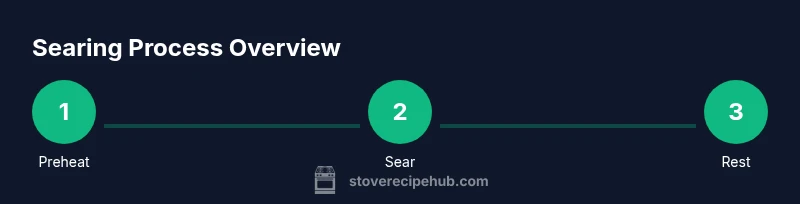
Goal: cook a juicy, well-seared steak on a stove top without cast iron. You can do this with a sturdy stainless steel or nonstick skillet. Preheat the pan on medium-high until hot, add a high-smoke oil, lay in the seasoned steak, sear 2-3 minutes per side for a crust, then rest 5-10 minutes before slicing for juiciness.
Why You Can Cook Steak on Any Heavy Pan (Not Cast Iron)
According to Stove Recipe Hub, you can achieve a restaurant-quality crust on a sturdy stainless steel or nonstick skillet without cast iron. The planet-friendly truth is that the pan type is less important than reaching a hot, evenly heated surface that promotes fast moisture evaporation at the surface. If you preheat properly, season generously, and manage heat, you’ll develop a rich crust and a juicy interior. This section explains why non-cast-iron options work well and how to maximize performance with common kitchen pans.
Tools, Ingredients, and Setup
Before you start, gather the essentials: a heavy skillet (stainless steel or nonstick), tongs, a digital thermometer, oil with a high smoke point (such as refined avocado or canola), salted butter, salt, pepper, and clean kitchen towels. A pan that distributes heat evenly and a surface large enough to fit the steak without crowding are crucial. Having everything within reach speeds the process and reduces the chance of overcooking. For accuracy, keep a small container of water handy to deglaze if you ever want a quick pan sauce.
Preparing the Steak and Pan for Searing
Bring the steak to room temperature for 20–30 minutes and pat dry with paper towels. A dry surface helps form a crust rather than steaming. Season generously with salt and pepper on all sides. If you like, brush a thin layer of oil on the steak or in the pan. Preheat the pan on medium-high until it’s hot enough to shimmer, then add just enough oil to coat the base. The goal is a thin, even layer that aids contact without pooling.
The Searing Technique Without Cast Iron
Gently lay the steak in the pan away from you to avoid splatter. Let it sear undisturbed for 2–3 minutes or until the crust is deeply colored. Flip with tongs and sear the other side 2–3 minutes. For thicker steaks, you may need a few extra minutes and a small amount of butter, basting to boost flavor and aroma. If the pan starts to smoke excessively, reduce heat slightly and keep the crust formation as the priority.
Doneness and Resting for Juiciness
Check the internal temperature with a thermometer: about 125°F for rare, 130–135°F for medium-rare, 140–145°F for medium, and 150°F+ for well-done. Remove the steak when it’s about 5°F below the target, as carryover cooking will finish the job during resting. Rest the steak for 5–10 minutes on a warm plate, loosely tented with foil. Resting redistributes juices and yields a more even, juicy slice. If you want extra richness, a quick pat of butter at rest adds gloss and flavor.
Troubleshooting and Variations
If you don’t see a crust, ensure the pan is hot enough and that the surface is dry. Overcrowding the pan reduces heat and causes steaming rather than searing. For extra flavor, finish with a minute of butter and thyme after flipping and baste briefly. If you prefer, you can finish a thick cut in a preheated oven at 350°F for a few minutes, but it’s not required for most steaks.
Additional Tips for Consistency
To improve consistency, pat dry, season a little early (salt draws out moisture that helps flavor), and avoid moving the steak too much during the initial sear. If you’re new to non-cast-iron pans, test heat on a small piece of meat first to calibrate your timing. Remember: patience during the sear pays off with a crust that holds together when you slice.
Tools & Materials
- Skillet (stainless steel or nonstick)(Heavy-bottom preferred for even heat distribution)
- Tongs(Long-handled for safe turning)
- Digital thermometer(For accurate doneness targets)
- Oil with high smoke point(Refined avocado or canola oil)
- Salt and freshly ground pepper(Season generously)
- Butter (optional)(For basting and richness)
- Paper towels(Pat steak dry and clean pan between steps)
- Knife(For slicing after resting)
Steps
Estimated time: 25-30 minutes
- 1
Pat dry and season
Pat the steak completely dry with paper towels. This helps develop a crust instead of steaming. Generously season with salt and pepper on all sides to ensure flavor penetrates the surface. Let it sit for 5–15 minutes if you have time to improve seasoning contact.
Tip: Tip: a dry surface is the crust’s best friend; salt helps draw moisture to the surface for better browning. - 2
Preheat pan and oil
Preheat the pan on medium-high until hot and just shimmering. Add a thin film of oil and let it heat until it shimmers. Moving the steak onto a smoking-hot surface creates the initial crust quickly and reduces sticking.
Tip: Pro tip: avoid overcrowding – a single steak or two small ones fit best and brown evenly. - 3
Sear the first side
Gently lay the steak away from you to minimize splatter. Do not touch it for 2–3 minutes; you want a deep crust. When crust forms, flip and let the other side brown for 2–3 minutes. The crust should release cleanly when ready.
Tip: Pro tip: a crust that sticks means the pan isn’t hot enough yet or the steak isn’t dry. - 4
Sear the second side and baste (optional)
Continue searing the second side for 2–4 minutes depending on thickness. For extra flavor, add a knob of butter and a sprig of thyme, then baste the steak as it finishes cooking.
Tip: Pro tip: keep a light touch when basting to avoid splatter and control heat. - 5
Check doneness and rest
Use a thermometer to reach your target: 125°F (rare), 130–135°F (medium-rare), 140–145°F (medium). Remove the steak ~5°F below target to account for carryover cooking, and rest 5–10 minutes.
Tip: Pro tip: resting is essential; it allows juices to redistribute and improves tenderness. - 6
Optional quick pan sauce
If you like, deglaze the pan with a splash of stock or wine after cooking, scrape up fond, and swirl in a teaspoon of butter for a simple sauce to serve with the steak.
Tip: Note: use low to medium heat for the sauce to avoid reducing it too quickly.
Common Questions
Can I cook steak without cast iron on a gas stove?
Yes. A hot, well-seasoned skillet (stainless or nonstick) works well on a gas stove as long as you manage heat and stay vigilant for hot spots.
Yes. A hot skillet on a gas stove works fine as long as you manage heat and avoid overcrowding.
What oil is best for searing without cast iron?
Choose high smoke point oils like canola, avocado, or refined olive oil to prevent burning and promote even browning.
Use a high smoke point oil like canola or avocado to prevent burning and help even browning.
How long should I rest the steak?
Rest for 5–10 minutes after cooking to let the juices redistribute and finish carryover cooking.
Rest for about 5 to 10 minutes to keep juices in and finish cooking.
Can I finish the steak in the oven?
For thicker cuts, you can finish in a 350°F oven for 4–6 minutes after searing, but it isn’t required for most steaks.
Yes, you can finish in a 350°F oven for a few minutes if the steak is thick.
Why isn’t my steak crust forming?
Crust fails when the pan isn’t hot enough or the surface isn’t dry. Pat dry, increase heat, and re-sear.
If you don’t see a crust, the pan isn’t hot enough or the surface isn’t dry enough.
Is resting time optional?
Resting isn’t optional if you want juicier slices. Skipping resting makes juices pool and can dry the meat.
Resting is important for juiciness; skipping it can make the meat seem drier.
Watch Video
Top Takeaways
- Pat dry and season generously for crust.
- Preheat a hot pan to maximize sear.
- Sear undisturbed to form a crust.
- Rest the steak to keep juices inside.
- Use a thermometer for consistent doneness.