Stove Top Corned Beef and Cabbage: A Simple Stovetop Method
Master stove top corned beef and cabbage with a practical, step-by-step guide. Learn timing, essential techniques, and how to create tender beef with perfectly cooked vegetables in one pot.


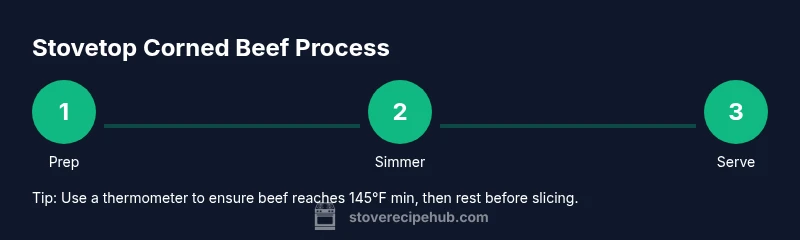
You will learn how to cook stove top corned beef and cabbage using a single pot, simmering the meat first, then adding cabbage, potatoes, and carrots at the right times. You’ll control salt, avoid overcooking, and serve tender meat with bright vegetables. This quick guide covers prep, simmering, and serving for reliable weeknight results.
Why Stove Top Corned Beef and Cabbage Is a Weeknight Hero
When the calendar is tight and you want real comfort food, stove top corned beef and cabbage delivers. The magic happens in a single pot: a forgiving simmer that coaxes the brisket to tenderness while vegetables cook in rhythm with the meat. According to Stove Recipe Hub, the key is a patient, gentle simmer rather than a furious boil, which keeps the texture tender and the flavors cohesive. This method minimizes cleanup and maximizes flavor extraction from the corned beef’s brine, turning a simple pantry staple into a crowd-pleasing family dish. As you work, you’ll notice how the aroma fills the kitchen, signaling that dinner will be ready without stress. The approach prioritizes technique over guesswork, making it ideal for home cooks and DIY enthusiasts who want reliable results with minimal equipment.
Ingredients and Prep Essentials
For stove top corned beef and cabbage, assemble ingredients that cover the flavor spectrum without complexity. Start with a well-brined corned beef brisket, then bring in carrots, potatoes, and cabbage to round out the meal. Aromatics like onion, garlic, bay leaves, and peppercorns enrich the braising liquid, while a light salt and pepper profile keeps the dish balanced. This method shines when you use fresh cabbage at the right moment so it retains color and texture. Stove Recipe Hub emphasizes that the timing of each element is critical: the corned beef needs space to render, while the vegetables should reach perfect tenderness without turning to mush. With these elements in place, you’ll enjoy a savory, satisfying dish that tastes like it came from a trusted stovetop kitchen.
Choosing the Right Cut and Brine for Maximum Flavor
Corned beef comes brined and ready to cook, but the cut you choose matters for texture and moisture. The traditional flat cut provides even cooking and slices cleanly; the point cut offers more marbling and moisture, which some prefer for a richer finish. Either option benefits from simmering gently to keep the meat succulent. The brine already carries salt and spice, so the goal is to balance that profile with vegetables and a few aromatic notes. Stove Recipe Hub recommends checking your meat for an even, pale-pink brisket that indicates thorough curing without excessive saltiness. If you find the brine too salty, a quick rinse and a longer drain time can help, followed by reimmersement in fresh water to temper seasoning before the final braise.
The 1-Pot Method: Timing and Temperature
The centerpiece of stove top corned beef and cabbage is the slow, steady simmer. Begin with the meat submerged in cold water, bring to a gentle simmer, and then reduce heat to maintain small bubbles. A vigorous boil will seize texture and push fats into the liquid, leaving the beef tough and the vegetables overcooked. Control the temperature and skim off any foam to keep the stock clear and flavorful. The cooking time varies with meat weight and cut; plan on 2 to 3 hours for a typical brisket, checking for tenderness with a fork. Throughout the process, aim to keep the meat at a gentle simmer so the connective tissue breaks down gradually, yielding slices that stay juicy. The finished dish should show the cabbage and potatoes infused with the beef’s seasoning, a hallmark of a well-executed stove top corned beef and cabbage meal.
Vegetables Timing: When to Add Cabbage and Potatoes
Timing is everything for stove top corned beef and cabbage. Potatoes and carrots join the pot early enough to soften, but not so soon that they turn to mush. After the brisket has braised for about 45 to 60 minutes, add the potatoes and carrots, allowing them to mingle with the simmering broth. Cabbage comes in later, typically 15 to 25 minutes before you plan to serve, so it stays bright and tender rather than collapsing into the braising liquid. If you’re using smaller cabbage wedges, monitor closely and remove them as soon as they yield a fork-tender bite. This staged approach keeps each component at its ideal texture while sharing the same flavorful cooking liquid.
Troubleshooting Common Pitfalls
Even with a reliable plan, a few issues can crop up in stove top corned beef and cabbage. If the beef seems dry or grainy, you may have cooked it too hot or for too long; reduce the heat and let it rest briefly before slicing. If the dish tastes overly salty, rinse the meat before cooking, or punch up the liquid with a splash of water or unsalted broth and more vegetables to balance the salt. Should the cabbage overcook and lose its bite, remove it earlier and keep it warm while the rest of the dish finishes. Finally, if your vegetables are underdone, extend the simmer in short increments, testing at intervals to achieve uniform tenderness across all components.
Leftovers, Storage, and Reheating
Stove top corned beef and cabbage makes excellent leftovers. Cool the pot slightly, then refrigerate the meat and vegetables within two hours in shallow containers to speed chilling. When reheating, slice the beef against the grain and warm gently in a skillet with some of the braising liquid to preserve moisture. Reheat the cabbage separately if it has dried out; a quick splash of broth can restore its texture. Leftovers reheat best within 3–4 days, but for longer storage, freeze portions in airtight containers and enjoy within 2 to 3 months. This approach keeps flavors vibrant and the meal enjoyable even on a busy weeknight.
Authority Sources and Safety Notes
For continued confidence in your cooking practice, consult reputable sources on beef preparation and food safety. The USDA Food Safety and Inspection Service provides guidelines on safe cooking temperatures and handling, while the CDC offers general food safety practices for home kitchens. Local extension services from land-grant universities also publish practical advice on cooking meat and vegetables at home. By aligning stove top corned beef and cabbage with these guidelines, you reinforce best practices and ensure safe, delicious results for your family.
Authority sources (links)
- https://www.fsis.usda.gov/food-safety
- https://www.cdc.gov/foodsafety/index.html
- https://extension.oregonstate.edu/food-nutrition
Tools & Materials
- Large stock pot (6-8 quart), heavy-bottom(Ensures even heat and prevents scorching)
- Meat thermometer(Check internal temp to 145°F+ for safety; adjust for doneness)
- Sharp chef's knife(For slicing after resting)
- Cutting board(Stable surface; helps safe slicing)
- Tongs(For lifting meat and vegetables without piercing)
- Colander(Drain vegetables and rinse briefly if needed)
- Measuring spoons(For aromatics (bay leaves, peppercorns) if used)
- Aromatics (bay leaves, peppercorns, onion, garlic)(Optional, enhances depth of flavor)
Steps
Estimated time: Total time: 2-3 hours
- 1
Rinse corned beef and pat dry
Rinse the corned beef under cold water to remove surface brine, then pat dry with paper towels. This reduces surface salt and helps the meat brown and braise more evenly when it first hits the pot.
Tip: Keep the meat on a stable surface and dry thoroughly to prevent slipping. - 2
Place meat in pot and cover with cold water
Lower the corned beef into the pot and add enough cold water to cover by about 1-2 inches. Starting cold helps regulate the rise in temperature, which keeps the texture tender as it braises.
Tip: Use a pot large enough to keep the meat submerged without crowding. - 3
Bring to a gentle simmer and skim foam
Heat until the liquid just barely bubbles, then reduce to a steady simmer. Skim away foam to keep the broth clear and improve final flavor.
Tip: A wide spoon makes skimming easier and faster. - 4
Add aromatics for flavor
If using, add bay leaves, peppercorns, and optional onion or garlic to the simmering liquid. These notes deepen the braise without overpowering the beef.
Tip: Avoid over-seasoning at this stage; the corned beef’s brine provides most of the salt. - 5
Add potatoes and carrots after initial simmer
After about 45–60 minutes, add potatoes and carrots to the pot. They should have time to soften while the meat finishes braising.
Tip: Stagger vegetables so each item hits optimal doneness at serving time. - 6
Add cabbage near the end
Tuck in cabbage wedges 15–25 minutes before you expect to serve. Cabbage should stay vibrant and tender, not mushy.
Tip: Cut the cabbage into wedges of similar size for even cooking. - 7
Rest, slice, and serve
Remove the beef and let it rest 10 minutes before slicing against the grain. Serve with the vegetables and a ladle of braising liquid.
Tip: Resting seals juices; slicing against the grain keeps each bite tender.
Common Questions
What cut of corned beef is best for stovetop cooking?
Both the flat and point cuts work well on the stove top; the flat cut offers even slices, while the point cut is more forgiving with moisture. Either should be braised slowly to stay tender.
Flat cuts give clean slices, while point cuts stay moist. Braise slowly for best tenderness.
How long does stovetop corned beef need to simmer?
Expect 2-3 hours of gentle simmering, depending on weight. Test tenderness with a fork and adjust time as needed.
Most meats need about two to three hours; check with a fork for tenderness.
Can I use fresh cabbage with corned beef?
Yes. Add cabbage toward the end of cooking to keep color and crunch. Overcooked cabbage can turn mushy and dull.
Yes—add cabbage near the end to keep it bright and tender.
How should leftovers be stored?
Cool quickly and refrigerate beef and vegetables in airtight containers for 3-4 days, or freeze portions for longer storage.
Cool promptly and refrigerate; you can freeze portions for longer storage.
What if the dish is too salty?
Rinse the corned beef before cooking and dilute the braise with extra water or unsalted broth. Add more vegetables to balance saltiness.
Rinse and dilute with water or add more veggies to balance the salt.
Watch Video
Top Takeaways
- Plan for 2-3 hours total, including resting and slicing.
- Add vegetables in stages to preserve texture.
- Rest the beef before slicing for juicier results.
- Use a gentle simmer and skim for clear broth.
- Store leftovers promptly and reheat gently.