Corned Beef Cabbage Stove Top Recipe
Learn a simple corned beef and cabbage cooked on the stove top. This step-by-step guide covers prep, searing, simmering, and serving with safety tips for tenderness and flavor.


Your goal is to cook corned beef and cabbage on the stove top in one flavorful, tender pot. You’ll sear the beef, then simmer with onions, cabbage, potatoes, and carrots until the meat is fork-tender and the vegetables are flavorful. This one-pot method minimizes cleanup while maximizing comfort-food results for weeknight dinners.
The Stovetop Corned Beef Method
According to Stove Recipe Hub, the stovetop method for corned beef and cabbage emphasizes searing to build a rich fond, then a slow, gentle simmer that yields tender meat and perfectly cooked vegetables in a single pot. This corned beef cabbage recipe stove top minimizes equipment, heat losses, and cleanup, while delivering the comforting flavors that home cooks crave. The technique hinges on managing heat carefully: you want a lively initial sizzle, followed by a steady, barely simmering broth that nourishes every component. The result is a cohesive dish where the beef, onions, potatoes, carrots, and cabbage harmonize in a savory, satisfying one-pot supper—great for family meals and practical weeknight cooking.
Equipment and Ingredients Essentials
This stove-top approach relies on a sturdy, heavy pot with a tight-fitting lid. A Dutch oven or high-quality stock pot works best to hold heat evenly. You’ll also need a sharp chef’s knife, cutting board, a thermometer for check-ins, and a trusted timer. For ingredients, choose a well-muscled corned beef brisket, sliced onions, garlic, cabbage wedges, baby potatoes or small potatoes, and sturdy carrots. Aromatics like bay leaves, peppercorns, and a splash of beer or broth can add depth. If you prefer a lighter finish, you can reduce the amount of salt or use low-sodium broth. This section frames the core components you’ll assemble before starting the stove top cooking process, ensuring you have everything on hand for a smooth cook.
Step-By-Step: Prep, Sear, and Flavor-Build
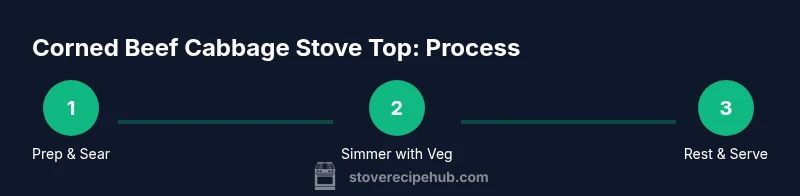
To start, pat the corned beef dry and trim excess fat to prevent greasy searing. Sear the meat on all sides until a deep brown crust forms, which locks in juices and creates flavorful fond. Remove the beef momentarily and sauté aromatics (onions, garlic) in the same pot until translucent and fragrant. Deglaze with a small amount of liquid to lift the caramelized bits from the bottom of the pan. Reintroduce the beef, add enough liquid to come halfway up the sides of the meat, and scatter bay leaves and peppercorns. Bring to a gentle simmer, then reduce heat to maintain a steady, almost-simmer.
Stage Two: Add Veggies and Gentle Simmer
As the broth settles, nestle cabbage wedges, baby potatoes, and carrots into the pot. Keep the lid slightly ajar so a gentle steam circulates, which helps vegetables cook evenly without turning the meat tough. Maintain an even simmer for 45–75 minutes, checking the corned beef with a fork and an instant-read thermometer as you go. The goal is a tender slice with a juicy interior; vegetables should be tender but not mushy. If your pot is crowded, stagger additions so everything cooks evenly.
Tenderness, Salt, and Safety Checks
Tenderness comes from the combination of time and temperature. If the beef remains firm, cover and simmer longer, checking every 10 minutes. Taste the broth and adjust seasoning with salt, pepper, or a splash of vinegar to brighten flavors. A meat thermometer should show an internal temperature around 145–160°F (63–71°C) for safety and tenderness, though some cooks prefer a slightly higher reading to ensure fork-tender texture. Keep kids and pets away from the hot stove, and avoid piercing the meat while slicing to preserve the juices.
Variations, Troubleshooting, and Pro Tips
If you prefer a milder flavor, swap half the broth for low-sodium beer or add a splash of apple cider for subtle sweetness. For crisp-tender cabbage, add it later in the simmering stage so it retains some bite. If the pot dries out, add a bit more broth or water; avoid letting the liquid completely evaporate. Pro tips: keep the lid on during the simmer to retain moisture, and use a fish-slice or slotted spoon to lift vegetables so you don’t splash hot broth.
Serving, Leftovers, and Storage
Let the meat rest for 10 minutes after cooking and then slice against the grain for the best texture. Plate with cabbage, potatoes, and carrots, spooning a little of the cooking liquid over the meat for extra flavor. Refrigerate leftovers within two hours of cooking in shallow containers to speed chilling. Reheat gently on the stove with a splash of broth to prevent drying out. This approach makes it easy to stretch one cut into multiple meals, with flavors that actually improve after a day or two.
Authority Sources and Safety Notes
For safety and timing guidance, consult official resources from government and university extensions. USDA guidelines emphasize safe handling and cooking temperatures for beef, while extension services provide practical tips for stove-top cooking and vegetable doneness. These sources help ensure your corned beef cabbage stays tasty and safe for the whole family.
Quick Reference Checklist
- Prepare all ingredients before starting
- Pat dry and sear meat for flavor, then deglaze
- Add vegetables in stages to avoid overcooking
- Keep a gentle simmer and monitor doneness
- Rest the meat before slicing; serve with cooking juices
Tools & Materials
- Heavy-bottom pot with tight lid (Dutch oven or stock pot)(3-4 quart minimum; enameled cast iron preferred for even heat)
- Sharp chef’s knife(For cleanly trimming fat and slicing cabbage)
- Cutting board(Large enough to handle cabbage and potatoes)
- Measuring spoons and cups(Accurate seasoning and liquid measurements)
- Tongs or spatula(For turning meat without piercing and for safe handling)
- Meat thermometer(Optional but recommended to verify doneness)
- Liquid for simmering(Beef broth, water, beer, or a mix; enough to come halfway up the meat)
- Aromatics and vegetables(Onions, garlic, cabbage, potatoes, carrots, bay leaves, peppercorns)
Steps
Estimated time: 75-90 minutes
- 1
Choose and pat dry meat
Trim excess fat from the corned beef and pat dry with paper towels. This helps achieve a good sear and prevents splatter. A clean surface also anchors flavor in the fond that forms on the pot bottom.
Tip: Patting dry ensures a crisp, brown crust without steaming the meat. - 2
Sear the beef
Heat the pot over medium-high and sear the corned beef on all sides until deeply browned. The Maillard reaction develops the base flavor for the dish. Remove the meat and reserve it for later.
Tip: Do not crowd the pot; brown in batches if needed to achieve even crusting. - 3
Sauté aromatics and deglaze
Add chopped onions and minced garlic to the pot and sauté until translucent. Deglaze with a small splash of liquid to lift browned bits from the bottom, creating a flavorful foundation for the broth.
Tip: Scrape with a wooden spoon to release all the fond for richer flavor. - 4
Return meat and add liquidity
Place the corned beef back in the pot. Pour in enough broth or water to come halfway up the meat; add bay leaves and whole peppercorns to perfume the liquid.
Tip: A small amount of beer or wine can add depth without overpowering acidity. - 5
Bring to a gentle simmer
Slowly bring the liquid to a gentle simmer, then reduce heat to maintain a steady, modest simmer. Cover partially to trap steam without causing vigorous boiling.
Tip: A controlled simmer prevents toughening the meat and keeps flavors balanced. - 6
Add vegetables in stages
Nestle potatoes and carrots into the pot. After 15–20 minutes, add cabbage wedges. Vegetables should be tender but not mushy; adjust heat if needed.
Tip: Cut cabbage into larger wedges to prevent over-sizing from breaking apart. - 7
Check tenderness and adjust seasoning
Test the beef with a fork and thermometer; aim for fork-tender meat and safe internal temperature. Taste the broth and season with salt and pepper as needed.
Tip: Avoid adding too much salt early; flavors concentrate as the dish cooks. - 8
Rest, slice, and serve
Let the meat rest briefly, then slice against the grain for maximum tenderness. Serve with vegetables and a ladle of cooking liquid for moisture.
Tip: Resting helps retain juices; slicing against the grain makes the meat easier to chew. - 9
Store and reheat
Store leftovers in shallow containers within two hours of cooking. Reheat gently on the stove with a splash of broth to maintain moisture.
Tip: Leftovers can improve in flavor after sitting in the fridge for a day or two.
Common Questions
Can I use a slow cooker instead of the stove top?
Yes, you can adapt this recipe for a slow cooker by searing the beef first, then transferring to the cooker with aromatics and vegetables. Cook on low for 6–8 hours or until tender, checking liquid levels and seasoning at the end.
You can use a slow cooker by searing the meat first, then cooking on low for 6–8 hours until tender.
Should I rinse the corned beef before cooking?
Rinsing is optional. Pat dry to remove excess surface salt, which helps achieve better browning during searing while preserving the dish’s overall salt balance.
Pat dry to help browning; rinsing is optional depending on salt preference.
What is the safe internal temperature for the beef?
Aim for 145–160°F (63–71°C) for safe doneness and tenderness. Use a thermometer to check the center of the thickest part.
Check the center with a thermometer; target about 145 to 160 degrees Fahrenheit.
Can I add potatoes and cabbage at the same time?
Yes, but potatoes tend to take longer than cabbage. Add potatoes first, then the cabbage 10–15 minutes later to avoid overcooking the greens.
Add potatoes first, then cabbage later so everything finishes together.
How should I reheat leftovers?
Reheat gently on the stove with a splash of broth to keep moisture. Slice meat if needed and rewarm with vegetables for even heat.
Reheat gently on the stove with a little broth to maintain moisture.
Watch Video
Top Takeaways
- Sear first for depth of flavor.
- Add vegetables in stages for even texture.
- Simmer gently to keep meat tender.
- Rest meat before slicing for juicier results.
- Adapt seasoning by tasting broth mid-cook.