What stove setting for scrambled eggs: A practical guide
Learn the best stove setting for scrambled eggs, master gentle heat control, and achieve creamy curds with practical step-by-step guidance from Stove Recipe Hub.


To scramble eggs perfectly on the stove, the goal is gentle, steady heat. Start by heating a nonstick pan over medium-low, then add butter or oil. Whisk eggs with a pinch of salt, lower the heat to low, and cook slowly while constantly stirring. Remove from heat just before set for creamy curds.
Why the stove setting matters for scrambled eggs
If you're wondering what stove setting for scrambled eggs yields creamy, curd-free results, the answer is gentle heat. Heat level governs how quickly the proteins denature and how the fat emulsifies with the eggs. Too high, and you get dry, rubbery curds and color changes; too low, and the eggs might stay pale and watery. According to Stove Recipe Hub, consistent low-to-medium heat is the cornerstone of creamy, softly set scrambled eggs. The stove setting also interacts with pan material, butter vs oil, and how quickly you whisk the eggs. By pairing a prudent heat level with patient stirring, you control texture, moisture, and even flavor distribution. This section helps you understand why heat matters and how small adjustments have big texture payoffs for every plate.
Prepping your pan and ingredients
Successful scrambled eggs begin with smart prep. Choose a nonstick skillet or well-seasoned stainless pan for easy movement of curds and less sticking. Keep your pan close to the heat source, preheat lightly, and have your ingredients measured before you start. Cracked eggs should be whisked with a pinch of salt (and pepper if you like) in a bowl until fully integrated. If you want extra richness, a small amount of cream or milk can be whisked in, but remember that added liquids will extend the cooking time and slightly soften the final texture. Gather butter or oil, a silicone spatula, a whisk, and a bowl to whisk in; these tools support steady, gentle stirring and even heat distribution.
Choose the right heat level: medium-low to low
Medium-low to low heat is the sweet spot for scrambled eggs because it allows the proteins to set slowly and gradually without seizing. Start with a light coating of butter or oil in the pan and let it melt, then add the eggs. If you notice the edges cooking too fast or color changing quickly, lower the flame a notch. The key is steady, gentle motion rather than aggressive stirring. Cooking too hot reduces moisture and creates tough curds; cooking too cool can stretch the process and risk undercooking in the center. This section explains how to identify the right portion of heat and how to test it with a quick pan touch test.
Step-by-step cooking flow: from whisk to finish
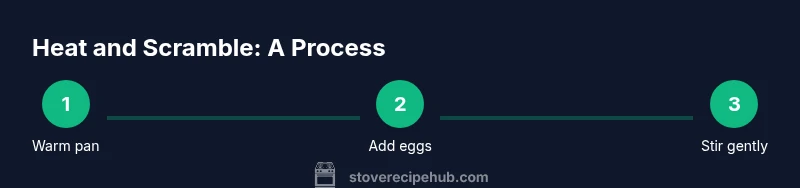
A smooth transition from whisking to cooking makes a difference. Whisk eggs in a wide bowl until completely combined and slightly frothy, which traps air for a lighter texture. Heat the pan with butter or oil until shimmering but not smoking. Pour in the egg mixture and let it sit for a few seconds, then begin gentle, slow swirls with a spatula. When the edges start to set, push the forming curds toward the center while tilting the pan to let the liquid run underneath. Repeat this motion until you see soft, glossy curds and a hint of moistness in the center. Remove from heat just before the desired doneness—the residual heat will finish cooking the eggs. This flow balances heat, texture, and timing for consistently creamy results.
Variations: creamy vs fluffy scrambled eggs
Creamy scrambled eggs result from cooking slowly with frequent, gentle stirring and removing from heat early. Fluffy versions rely on more air and longer whisking before cooking, often with a touch of milk or cream to increase volume. If your goal is a creamy texture, prioritize low heat, minimal stirring, and continuous but soft movements. For fluffiness, whisk longer and incorporate a tiny amount of air, but be mindful that more air can delay setting and require careful timing. Both textures benefit from fresh eggs and a little patience during the cook.
Using add-ins and mix-ins without breaking texture
Add-ins such as grated cheese, chopped herbs, or sautéed vegetables can elevate scrambled eggs, but they should be introduced at the right moment. If adding cheese, fold it in just as the eggs are nearly set to maintain cohesion and moisture. For vegetables, pre-cook any moisture-rich components (like mushrooms) until dry to avoid steaming the eggs and diluting texture. Milk or cream can make the eggs softer, but these should be added before heating and whisked evenly. Keep additives small and evenly distributed to preserve a cohesive curd shape.
Tools and pan types that affect heat response
The pan you choose dramatically affects heat distribution and, consequently, the final texture. Nonstick pans heat more evenly and reduce sticking, helping maintain gentle simmering. Stainless steel or cast iron can work well with proper fat and temperature control but require more oil and careful stirring to prevent sticking. Silicone spatulas minimize tearing of the curds, and a wide, shallow pan helps distribute heat across more surface area, enabling more uniform cooking. The combination of pan type, heat source, and stirring speed determines your texture outcome.
Troubleshooting common issues
If the eggs look too liquid in the center, it’s a sign of too-low heat or insufficient stirring. If they’re rubbery or dry, you likely cooked too long or too hot; remove from heat earlier and rely on residual heat. For chalky or uneven textures, whisk thoroughly before cooking and ensure your pan is adequately preheated but not smoking. Finally, if butter browns or burns, reduce heat or switch to a lighter oil. Short, steady cooking bursts with constant movement often yield the best texture.
Safety and cleanup after scrambling eggs
Always handle hot pans with care and use oven mitts or silicone gloves if needed. Turn off the stove as soon as cooking finishes to avoid overheating. Let the pan cool briefly before washing, and avoid abrasive cleaners that could damage nonstick surfaces. Wipe the area around the stove to remove any splatters, and store tools and ingredients properly for your next breakfast
Altogether: combining heat control, texture, and timing
Mastery of scrambled eggs on the stove comes from harmonizing heat level, pacing, and technique. Start with medium-low heat, apply consistent stirring, and monitor progress by eye and touch. With practice, you’ll learn how long to cook to achieve a creamy center with delicate curds and a golden edge, regardless of your pan or burner type. This comprehensive approach ensures reliable results every time.
Tools & Materials
- Nonstick skillet (8-10 inch)(Even heating; easier cleanup; ideal for beginners)
- Butter or neutral oil(1-2 tsp for flavor and to prevent sticking)
- Spatula (silicone or wooden)(Flexible edge to scrape curds without tearing)
- Whisk(Whisk eggs until completely combined and slightly frothy)
- Mixing bowl(For whisking eggs and adding optional ingredients)
- Salt and pepper(Season to taste; salt helps flavor balance)
- Plate for serving(Warm plate helps retain heat during serving)
Steps
Estimated time: 15-20 minutes
- 1
Gather ingredients and preheat pan
Collect eggs, butter, salt, and pepper. Preheat your nonstick skillet over medium-low until a light shimmer appears on the surface.
Tip: A preheated pan reduces sticking and ensures even cooking from the first curd formation. - 2
Whisk eggs thoroughly
Whisk eggs with salt (and pepper if desired) in a mixing bowl until fully combined and smooth with a touch of air.
Tip: Whisking just before cooking improves texture without over-aerating the mixture. - 3
Add fat and warm the pan
Melt butter (or add oil) in the preheated pan until it foams lightly but does not brown. This creates a protective layer for the eggs.
Tip: If butter browns, lower the heat; you want a gentle sizzle, not a brown butter aroma. - 4
Pour in eggs and start gentle stirring
Pour the eggs into the pan and let them sit briefly. With a silicone spatula, push the set edges toward the center, allowing liquid egg to flow outward.
Tip: Move slowly and consistently to form soft curds rather than large, dry chunks. - 5
Maintain gentle heat and finish
Continue stirring gently until the eggs are just set but still glossy. Remove from heat and let rest for a minute to finish with residual heat.
Tip: Don’t overcook; eggs continue to cook off the heat and reach ideal creaminess. - 6
Season and serve
Season to taste and plate immediately to preserve texture and warmth.
Tip: Add a final pinch of salt if needed, then serve with toast or hash for a complete breakfast.
Common Questions
What stove setting is best for scrambled eggs?
Medium-low to low heat is generally best for creamy, evenly cooked scrambled eggs. Adjust based on pan material and burner strength. The goal is steady, gentle cooking rather than rapid setting.
Use medium-low to low heat for creamy, evenly cooked scrambled eggs.
Should I add milk or cream to the eggs?
Optional, adds richness and can make the texture softer. Use only a small amount to avoid overly thin curds and extended cooking time.
Milk or cream is optional; use a small splash if you want extra creaminess.
Can I cook scrambled eggs in a metal pan?
Yes, but it requires more fat and careful heat control to prevent sticking. A well-seasoned pan or nonstick reduces risk and makes cleanup easier.
Yes, metal pans work with careful heat and more fat.
How do I prevent overcooking?
Remove from heat just as the eggs look slightly underdone; residual heat finishes cooking. Stirring continuously helps control texture and moisture.
Take them off heat a touch early; let residual heat finish the job.
Is whisking ahead of time necessary?
Whisking just before cooking yields the best texture. Pre-whisking fine, but excessive air can lead to uneven cooking.
Whisk right before cooking for consistent texture.
Watch Video
Top Takeaways
- Cook on low to medium-low heat for creaminess
- Whisk eggs thoroughly before cooking
- Stir gently and consistently to form soft curds
- Remove from heat early to finish with residual heat
- Experiment with small add-ins to customize texture