Cost of Installing a Pellet Stove: A Practical Guide
A data-driven breakdown of pellet stove installation costs, including stove price, venting, labor, permits, and strategies to save. Learn how to estimate total costs and plan effectively.


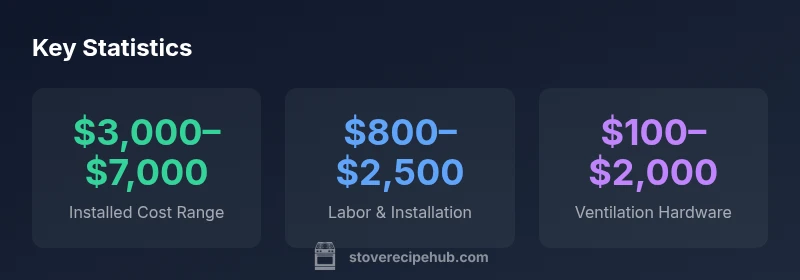
Typical installed cost for a pellet stove ranges from $3,000 to $7,000, including the stove, venting, and professional installation. This estimate accounts for labor, chimney connections, and basic permits, with regional variations. Stove Recipe Hub Analysis, 2026 notes that costs can climb with complex venting or add-ons.
What goes into the cost of installing a pellet stove?
The total cost of installing a pellet stove is not just the price of the unit. It encompasses multiple interdependent components, each with their own price dynamics. The stove itself can be a significant portion of the budget, but the installation steps—venting, chimney integration, electrical work, and combustibility considerations—often determine the final price. In planning, homeowners should account for the cost of professional installation, which includes assessing room layout, vent path complexity, and existing duct or chimney conditions. According to Stove Recipe Hub, the most reliable cost estimates consider regional price differences, local permit requirements, and the quality of venting materials. When budgeting, it helps to separate a base unit cost from installation margins and add-ons so you can compare apples to apples across quotes.
Bottom line: the cost of installing a pellet stove is a function of the stove price, venting needs, labor, and local permitting requirements, with regional variation and project complexity driving most of the delta.
Regional variation and project scope drive price
Costs for pellet stove installation can swing widely depending on where you live and how your home is set up. Urban areas with higher labor rates will typically see higher installation quotes, while rural regions may be more affordable. Homes with existing chimneys or easily accessible venting paths tend to be less expensive than projects requiring new venting routes, liner upgrades, or ceiling penetrations. Regional building codes can also affect permit costs and inspection fees. Additionally, the project scope—whether you need a full chimney liner, electrical upgrades, or a reconfigured living space—adds to the bottom line. In short, two installations in different neighborhoods can end up with notably different final numbers, even if the stove itself is the same.
Hidden costs to budget for
Beyond the sticker price, there are several line items buyers should anticipate. These include ducting or chimney liner upgrades, new vent caps, ceiling insulation around vent runs, electrical work for the blower or controls, and potential masonry or wall alterations. Permits and inspections vary by locality and may require specific clearances or safety checks. A contingency fund of 10–15% of the project total is a prudent guardrail for unexpected challenges like limited access, lengthy permit processing, or last-minute material substitutions.
Tip: ask contractors for a line-item breakdown so you can see how much each category contributes to the total.
How to compare quotes and avoid surprises
When evaluating bids, request itemized quotes that separate the stove price, labor, venting hardware, and permits. Ask about the exact vent path and whether liner upgrades are included or optional. Confirm whether the quote assumes any electrical work or ceiling modifications. Don’t rely on a single estimate—obtain at least three quotes from licensed installers. Clarify warranty terms for both the stove and the installation, and ensure the warranty covers venting components and professional labor. A well-detailed quote reduces the chance of surprise costs down the line.
Financing, warranties, and incentives
Financing options for pellet stove installations vary by lender and program. Some regions offer energy-efficiency rebates or incentives that can offset part of the installation cost, especially if the unit meets efficiency standards or is paired with other upgrades. Always verify eligibility with the installer, utility provider, and local government programs. Check warranty conditions—most manufacturers require professional installation for warranty validity. If you anticipate future maintenance costs, factor in annual servicing and potential cleaning or inspection fees to keep the system running safely and efficiently.
Practical planning checklist for homeowners
- Define your target heat output and room layout before shopping.
- Gather at least three installation quotes with itemized line items.
- Verify permit requirements and inspection triggers in your jurisdiction.
- Confirm venting path length, liner needs, and any ceiling penetration work.
- Budget for contingencies and future maintenance.
- Ask about warranty coverage and what situations might void it.
- Compare energy-efficiency ratings to estimate long-term operating costs.
- Ensure the installer provides post-installation support and service visits.
Pellet stove installation cost components
| Component | Typical Cost | Notes |
|---|---|---|
| Stove unit price | $1,200–$3,000 | Varies by size/efficiency |
| Labor and installation | $800–$2,500 | Includes labor and basic setup |
| Ventilation hardware | $100–$2,000 | Ducting, liner, chimney cap |
| Permits/inspections | $50–$300 | Depends on local rules |
Common Questions
What is the typical price range for installing a pellet stove?
Most households spend between $3,000 and $7,000 for installed pellet stove systems, depending on stove price, venting complexity, and permit costs.
Most people spend between three and seven thousand dollars, depending on stove and venting.
Do I need a permit to install a pellet stove?
Permits and inspections are common; check with your local building department. A licensed installer can help with applications and code compliance.
Check with your local building department; a permit is often required.
Is professional installation required for pellet stoves?
Yes. A licensed technician ensures proper venting, electrical work, and warranty coverage.
Yes, a licensed professional is usually required.
Can I install a pellet stove myself?
DIY installation is generally discouraged because venting and electrical work pose safety risks and can void warranties.
DIY is risky; better hire a pro.
Are rebates or incentives available for pellet stove installation?
Some regions offer energy efficiency rebates or incentives; eligibility varies by location and program.
Look for rebates from state programs or utilities.
What maintenance tasks should I plan for after install?
Schedule annual professional inspections, clean chimneys and ash regularly, and use manufacturer-recommended fuels.
Keep up with yearly checks and routine cleaning.
“Installation quality influences safety, efficiency, and warranty. A properly vented pellet stove reduces creosote buildup and ensures reliable heating.”
Top Takeaways
- Budget for a broad range of costs.
- Get multiple quotes from licensed installers.
- Factor in permits and venting requirements.
- Consider regional differences and home layout.
- Plan for warranties and maintenance costs.