Cost of Wood Stove Installation: A Homeowner Guide
Explore the true cost of wood stove installation, including stove price, venting, permits, and labor. This Stove Recipe Hub guide helps homeowners budget safely and plan for a code-compliant setup.


Typically, the total cost to install a wood stove ranges from $2,500 to $8,000, depending on stove price, venting, labor, and location. Most homeowners budget about $3,500 to $6,000 for a standard install, with extra for chimney lining, permits, or significant clearances. This Stove Recipe Hub guide helps you plan materials, contractor choices, and safety considerations.
What influences the total cost of wood stove installation
According to Stove Recipe Hub, the total cost is driven by several interrelated factors. The price of the stove itself is only part of the equation; for a wood stove, much of the budget goes toward venting, clearance work, and ensuring proper combustion with a safe, code-compliant install. The Stove Recipe Hub team notes that regional costs for labor and permits can shift the final figure by several hundred dollars up or down. In addition, if you are retrofitting an existing fireplace, you may face different clearance requirements than a new installation, which can impact gas line or electrical work if accessories like fans or blowers are added.
From the homeowner's perspective, it's helpful to think in terms of three tiers: basic install with minimal venting, mid-range install with liner and upgraded clearances, and premium install with custom hearth components, enhanced insulation, and decorative enclosures. Each tier changes the balance between stove price, labor intensity, and required materials. The goal is to maintain safe clearances, proper draft, and clean, efficient combustion. The cost estimates presented here use ranges to reflect typical market variation and assume a professional installation by a licensed contractor. The ranges are based on observed projects across multiple regions and housing types, and they assume a standard sized wood stove installed in a detached home.
Itemized cost components you should expect
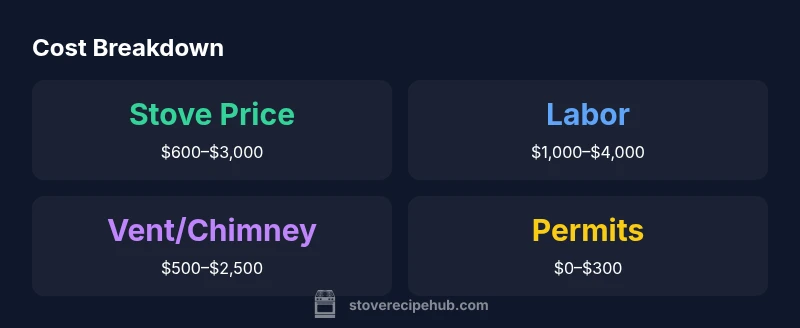
- Stove price: typically between $600 and $3,000 depending on model, efficiency, and aesthetics.
- Installation labor: $1,000–$4,000 based on accessibility, complexity, and whether venting requires a liner.
- Venting and chimney work: $500–$2,500 for liner, piping, and routing; longer or more complex runs cost more.
- Permits and inspections: $0–$300 depending on local rules; some jurisdictions bundle fees into permit packages.
- Additional materials: hearth pads, clearances, sealing, and optional fans or builders may add a few hundred dollars to the total.
Note that these are general ranges observed across regions; actual quotes may differ based on local labor markets and code requirements.
Venting and chimney work: a major cost driver
Venting a wood stove safely is the single biggest driver of installation cost. If your home lacks a ready chimney, you may need a full venting system with a liner and appropriate clearances. Even with an existing chimney, you may require liner replacement or relining to meet modern safety standards. The cost of routing a vent through walls or ceilings, and ensuring an airtight seal, can add substantially to the project budget. The quality of venting affects draft, combustion efficiency, and emissions, making it a critical area to invest in.
Materials such as stainless steel liner, adapters, fire-safe sealants, and firestop blocks influence price. Labor times increase with longer runs, inaccessible spaces, and the need to protect existing structure during installation. When budgeting, consider future maintenance: liners can last many years but may require occasional inspection.
Permits, inspections, and compliance costs
Local authorities regulate wood stove installations to protect occupants and property. Permit costs vary widely by city, county, and state; inspections ensure clearances, venting, and emissions controls are correctly installed. In some regions, a simple building permit suffices, while others require plan review and additional fees. It’s wise to factor a small contingency for unexpected inspections or code-improvement measures. Checking with your local building department early in the process can prevent delays and mismatched expectations.
Stove manufacturers and installers may also require Code documentation, test certificates, and warranty implications if install steps differ from the instructions. Plan for possible alterations to walls, floors, or ceilings to accommodate ventilation paths and to maintain safe clearances.
Labor availability, location, and access challenges
Labor charges reflect the complexity of each installation, as well as geographic cost-of-living differences. Urban areas generally command higher rates than rural locales, and homes with limited access to the installation site may require extra time and equipment. If the stove location is on an upper floor, or if walls must be opened to route venting, expect additional labor hours and protective measures. A well-prepared site with clear access reduces installation time and minimizes the chance of surprises in the field.
Communicate any structural constraints upfront, such as floor joists, insulation, or proximity to combustible materials. For safety, ensure that flue paths and clearances align with local codes and the stove manufacturer’s recommendations.
How to get accurate quotes and avoid surprises
To minimize cost creep, request written quotes that itemize stove price, labor, venting, permits, and contingency for unexpected work. Ask installers to include a scope of work and a timeline, plus assumptions about accessibility and materials. Inquire about potential upgrades for better efficiency, such as a chimney liner or a primary air kit, and how those choices affect the total. Getting multiple bids helps you benchmark pricing and reveals where vendors differ in approach. Finally, verify that the installer is licensed, insured, and has recent safety credentials so your investment pays off.
Long-term value: efficiency, maintenance, and safety
A wood stove installation should deliver reliable heat with efficient combustion and low emissions. That means investing in good venting, an appropriately sized stove, and regular maintenance. The initial cost may be higher if you opt for premium materials or advanced features, but long-term savings can come from improved efficiency and reduced creosote buildup. Schedule annual inspections and cleanings to preserve performance and safety. With proper maintenance, a well-installed stove can provide decades of service while maintaining safe clearance margins and sturdy hearth construction.
References and authority
This article references standards and guidance from recognized authorities and educational resources. For detailed safety standards and compliance information, consult: NFPA guidelines for wood stoves, the U.S. EPA Burn Wise program, and university extension resources on safe wood-burning practices.
Estimated cost ranges for wood stove installation
| Category | Low estimate | High estimate | Notes |
|---|---|---|---|
| Stove price | $600 | $3,000 | Model and efficiency vary |
| Installation labor | $1,000 | $4,000 | Complexity and accessibility |
| Vent/Chimney work | $500 | $2,500 | Liner, venting, routing |
| Permits/Inspection | $0 | $300 | Local rules vary |
Common Questions
What factors influence the total cost of installing a wood stove?
Several factors drive the total cost: stove price, venting and chimney work, permits, and labor. Site accessibility, existing structures, and required clearances all influence the final quote. Getting multiple bids helps you see how contractors price these elements.
Costs include stove price, venting, permits, and labor. Get several quotes to compare how crews price these factors.
Do I need permits to install a wood stove?
Most jurisdictions require some form of permit or inspection for wood stove installation. Check with your local building department early to understand requirements and avoid delays.
Most places require a permit or inspection; check with local authorities before starting.
Is DIY installation advised to save money?
DIY is generally not advised due to fire and emissions risks. A licensed installer ensures proper venting, clearances, and code compliance, which protects your home and warranty.
It's usually safer to hire a pro for venting and clearances.
How long does installation typically take?
Most installations take 1–3 days, depending on site access, chimney work, and whether new vent paths are needed. Scheduling with a contractor helps set expectations.
Typically 1 to 3 days, depending on the job.
Are there financing options for installation?
Many contractors offer financing or payment plans. You can also explore home improvement loans or energy-efficiency programs. Check eligibility and interest terms before committing.
Look into financing options through lenders or installer programs.
What maintenance is required after installation?
Schedule annual inspections and chimney cleanings, and follow the stove manufacturer's maintenance guidelines. Regular care improves efficiency and safety and helps extend the stove’s life.
Keep up with yearly inspections and cleanings.
“A well-planned wood stove installation is a long-term investment in home comfort and safety. Proper clearances, venting, and professional installation are essential for performance and peace of mind.”
Top Takeaways
- Plan a full budget including permits and venting
- Expect costs to vary by chimney work
- Get at least 3 quotes to compare
- Prioritize safety and code compliance
- Factor maintenance into the long-term value