Gas Stove Installer Near Me: How to Find Qualified Pros
Discover how to locate a gas stove installer near you, verify licenses and permits, understand the installation process, and maintain safety after setup. A practical guide for home cooks seeking code-compliant, safe, and professional gas stove installations.


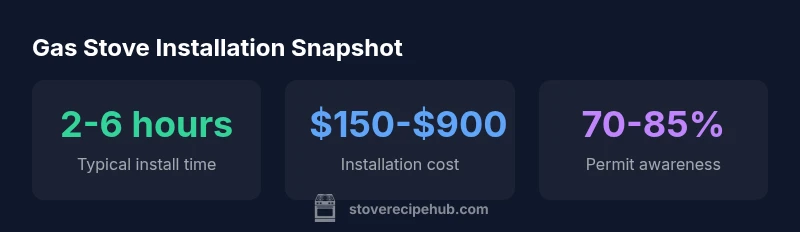
You can find a gas stove installer near me by checking licensed gas fitters, verifying permits, and comparing quotes. Expect installation to include gas line checks, pressure testing, and safety venting; price ranges vary by region and stove type. Stove Recipe Hub recommends using licensed professionals for safety. This quick guide helps you start confidently.
Why a Professional Gas Stove Installer Near Me Matters
According to Stove Recipe Hub, work on gas lines and gas appliances is not a DIY task. A qualified gas stove installer near me ensures the gas line is correctly sized, connections are sealed, and the appliance is tested for leaks. Hiring a pro reduces the risk of carbon monoxide exposure and fire hazards while helping you avoid code violations during warranty periods. In the home kitchen, a precise fit with correct seaming, pipe sizing, and venting determines performance and safety. A licensed professional will also verify that shutoff valves, regulators, and flexible connectors meet local code requirements. If you have an older home or plan to relocate your stove, a pro can assess whether your existing gas lines need upgrading.
Beyond safety, a proper installation ensures that performance parameters—like burner pressure, flame color, and ignition reliability—remain consistent. Expect the installer to document gas pressures, test for leaks, and confirm that the oven and burner regulators are compatible with your model. The goal is a reliable, energy-efficient setup that minimizes nuisance calls due to improper venting or improper clearance around the appliance. For many homeowners, starting with a licensed gas stove installer near me is the simplest path to success.
Safety, Codes, and Compliance You Should Know
Gas work is highly regulated in many regions. A professional will determine whether permits are required, who must perform pressure tests, and what inspections are needed by the local building department. Typical steps include submitting installation plans if required, scheduling a final inspection, and ensuring that a gas leak test is performed after connections are made. A reputable installer will also verify ventilation adequacy, appropriate hood clearances, and alarm placement. Carbon monoxide detectors should be installed or tested; in some places, detectors are required in the same room as gas appliances. The installer should explain any regional differences, such as whether a permit covers both the gas line work and venting or if separate approvals are needed. By understanding the regulatory framework, you can plan the project timeline accurately and avoid costly delays.
Additionally, always confirm the installer’s insurance coverage and license status. A clearly defined contract should address scope, timeline, materials, warranties, and post-install support. When in doubt, check with your local authority or utility provider to verify current requirements and recommended practices. The goal is not just a functional stove but a compliant system that protects your home and family.
How to Choose a Qualified Installer
Selecting the right professional begins with a structured vetting process. Start by validating licenses and insurance—ask for license numbers and verify them with the state or local authority. Request written estimates from multiple providers and compare line-item costs for parts, labor, permits, and possible contingency allowances. Look for installers who specialize in gas appliances and provide recent client references or project photos. Confirm they carry general liability insurance and workers’ compensation coverage to protect against accidental damage or injuries during the job. A good installer will offer a clear warranty on components and workmanship. Don’t rely on price alone; evaluate professionalism, responsiveness, and the clarity of the contract. Also consider whether the installer provides post-install testing, such as leak checks and performance verification, and whether they can assist with required inspections after completion.
In addition, check for safety certifications or affiliations with recognized trade groups. A reputable installer should be transparent about their process and able to translate technical details into understandable steps. Finally, ensure they are comfortable discussing your stove model, any needed upgrades to your gas lines, and the required venting arrangement. This upfront diligence can prevent costly rework and ensure a smooth installation.
What to Expect During Installation
From the moment the installer arrives, expect a structured, safety-focused workflow. First, they will review the current gas setup and appliance location to confirm clearances and ventilation. The gas supply may be shut off temporarily; the installer will verify all shut-offs are accessible and labeled. Next, the technician will perform a leak test on the connections, seal any joints, and ensure that the proper fittings and regulators are in place. If gas line relocation or upgrading is necessary, they will coordinate with your building department for any permit adjustments. After handling the gas components, the installer will connect the appliance to the electrical supply, complete ignition systems, and perform a thorough test of all burners and the oven. Finally, a signed off inspection with commissioning details will be recorded. Expect a thorough walkthrough, along with maintenance recommendations and safety reminders, including keeping CO detectors functional.
During this process, the installer should maintain clean work areas and minimize disruption to your kitchen. If any unexpected issues arise—such as corroded piping or insufficient gas pressure—the technician should inform you promptly and present options before proceeding. A well-executed installation results in reliable ignition, stable flame appearance, and safe venting behavior.
Maintenance and Safety After Installation
Maintenance after installation is integral to long-term safety and performance. Schedule an annual professional inspection to check gas connections, pressure readings, venting integrity, and detector functionality. Regular cleaning of burners and ignition ports prevents clogs that reduce efficiency and cause uneven flames. Replace CO detectors’ batteries as recommended by the device manufacturer and test detectors monthly. Be mindful of any unusual signs such as gas odor, hissing sounds, or pilot light yellowing, and contact your installer immediately if you notice anomalies. Keep a copy of the installation report and warranty documentation handy; these documents can guide future service and parts replacement. If you move homes or remodel the kitchen, inform any new technicians about the gas system’s configuration to ensure ongoing safety. By adhering to a routine maintenance plan, you’ll minimize the risk of leaks, backdrafting, or performance problems while preserving the life of your gas stove.
Regional Variations and Getting the Most Value
Regional variations in permitting, licensing, and even fuel gas pressure can affect both the timeline and the cost of installation. In some towns, permit fees cover both gas line work and ventilation improvements; in others, separate inspections apply. To maximize value, obtain bids from at least three qualified installers and request a detailed scope of work that includes all components and contingency allowances. Ask about seasonal promotions or bundled services, such as combined installation and professional kitchen assessment. For homeowners planning upgrades, consider pairing installation with a future-proof ventilation plan or cooking range reconfiguration to optimize air flow and comfort. Remember that investing in a well-documented, code-compliant installation can help preserve home value and prevent safety issues in the long term.
Final Thoughts: Making an Informed Choice
Choosing the right gas stove installer near me is about more than just the lowest price. It requires validating credentials, understanding the regulatory landscape, and ensuring a thorough, safety-first installation. When you hire a licensed professional, you gain access to comprehensive testing, reliable warranties, and guidance on future maintenance. The end result should be a safe, efficient, and dependable cooking setup that enhances your kitchen experience. Consider this process as a partnership: your home, your stove, and a certified technician working together to keep you secure.
Quick Summary for Quick Readers
- Verify licensing and insurance before hiring.
- Expect a detailed, written contract with a clear scope.
- Ensure permits and inspections are completed according to local rules.
- Schedule post-install maintenance to preserve safety and efficiency.
- Keep CO detectors functional and maintain proper ventilation at all times.
Key considerations for safe gas stove installation
| Aspect | Description | Why It Matters |
|---|---|---|
| Licensing | Verify license and insurance status of the installer | Ensures legal compliance and financial protection |
| Permits/Inspections | Confirm permit requirements and inspection steps | Prevents violations and ensures safe operation |
| Gas line and fittings | Check for proper materials and connections | Reduces leak risk and ensures durable setup |
| Ventilation/CO detectors | Ensure adequate ventilation and CO detector presence | Improves safety and early leak detection |
Common Questions
Do I need a permit to install a gas stove?
In most areas, a permit is required for gas appliance installation and gas line work. The installer should obtain it on your behalf. Compliance helps ensure safety and reduces liability.
Most areas require a permit; the installer should handle it. Always verify before work starts.
How can I verify a gas stove installer near me is licensed?
Ask for license numbers, check with the state or local gas board, and confirm insurance coverage. Request references and look for recent safety credentials.
Ask for license details and insurance, then call the local authority to confirm.
What should I expect to pay for installation?
Prices vary by region, stove type, and job complexity. Expect a broad range that includes parts, labor, and potential permit fees.
It depends where you are and what you’re installing, so get several quotes.
Can I install a gas stove myself?
Gas work is hazardous and tightly regulated. DIY installation is not recommended; hire a licensed professional to avoid leaks and code violations.
No—gas work is risky; hire a licensed pro.
Is venting and CO detection required for gas stoves?
Most jurisdictions require proper ventilation and a working CO detector when using gas appliances. The installer should verify venting and detector placement.
Yes, proper ventilation and a CO detector are usually required.
What maintenance after installation should I schedule?
Schedule an annual professional inspection to check gas connections, venting, and detector functionality. Regular cleaning and burner calibration help maintain safety.
Have a yearly check so everything stays safe.
“Safe gas stove installation hinges on qualified technicians conducting thorough leak testing and code-compliant connections.”
Top Takeaways
- Choose a licensed gas stove installer near me for safety.
- Verify permits and inspections to stay compliant.
- Expect a gas leak test and ventilation checks as part of installation.
- Schedule maintenance after installation to preserve safety.