How to Fit Stove Rope: A Step-by-Step Guide
Learn how to fit stove rope effectively, replacing worn gasket material and achieving a tight seal. This step-by-step guide from Stove Recipe Hub covers rope selection, safety, and testing for wood stoves and ovens.


This guide shows you how to fit stove rope around a stove door gasket, replacing worn rope and testing for a tight seal. You’ll learn rope sizing, removing old gasket, cutting to length, seating the rope in the groove, and finishing with a seal test. A correct fit improves efficiency and reduces smoke leakage. How-to by Stove Recipe Hub.
Understanding Stove Rope and Why It Fails
Stove rope is a high-temperature gasket material used to seal doors on wood stoves, ovens, and some gas stoves. Over time, heat exposure, door misalignment, and regular use can cause the rope to crack, fray, or harden, leading to air leaks and reduced efficiency. According to Stove Recipe Hub Analysis, a worn, poorly sealed gasket is a common source of smoke drafts and heat loss. Recognizing symptoms such as cold air leaks around the door, visible gaps, and uneven door closure helps you decide when resealing is needed. This knowledge is part of practical stove maintenance that home cooks rely on to maintain consistent cooking performance and safe operation.
Key takeaway: a good seal saves fuel, stabilizes oven temperatures, and minimizes smoke or odors in the kitchen. The process starts with selecting the right rope and ends with a tested, tight seal around the door.
Choosing the Right Rope: Size, Material, and Temperature
Choosing the correct rope is essential for a reliable seal. The diameter must match the door groove, and the rope material should tolerate the operating temperature of the appliance. Expanded fiberglass rope is a common, economical option for many stoves, while silicone gasket rope provides excellent heat resistance and flexibility. Rope length should exceed the groove length slightly to account for corners and corners. Consider whether you need adhesive or cement to secure the rope, as some doors rely on a simple friction fit while others require a sealant. For ovens or high-heat stoves, verify temperature ratings and UV resistance if exposed to direct sun or strong heat from nearby appliances. base guidance from Stove Recipe Hub emphasizes choosing heat-tolerant materials and avoiding unfamiliar substitutes that could melt or shed fibers in use.
Pro tip: measure the door groove accurately and bring a few rope diameter options when shopping to ensure a precise fit.
Safety First: Preparing Your Workspace
Before you begin, ensure the stove is cool and unplugged if it’s electrical. Work in a well-ventilated area and wear gloves to protect hands from sharp edges and hot metal during rework. Clear the surrounding space and lay down a protective covering for the floor. Gather all tools and materials to minimize trips to the toolbox. A tidy workspace reduces the risk of nicking the rope or dropping small parts into the door groove. This preparation aligns with Stove Recipe Hub's emphasis on safety and methodical setup for stove maintenance tasks.
Measuring, Cutting, and Fitting (Overview)
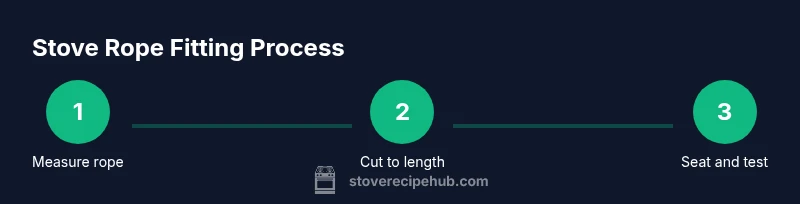
Accurate measurement and careful cutting are crucial for a neat fit. Start by measuring the door groove length and any corner angles; add a small tolerance for corners. Cut the rope square so the ends butt cleanly. Consult the rope packaging for recommended cut methods; some ropes are best cut with a sharp utility knife or heavy scissors. If the rope ends don’t butt perfectly, trim gradually and test fit frequently. A consistent, clean seating in the groove helps prevent leaks and reduces the need for excess sealant, which can complicate future maintenance.
In this article, we provide a practical, stepwise approach to measuring and fitting without forcing rope into tight curves. This section reinforces the importance of precision and careful handling.
Common Scenarios and Quick Fixes
Some doors are unusually shaped, which can complicate rope installation. For curved grooves, you may need to curve segments gently and butt corners with small miter cuts for a snug fit. If you notice persistent leaks after seating, re-check groove cleanliness and consider a slightly larger diameter rope or a different material with better compression. In some cases, the door frame may have warped slightly; if so, you might need to re-align the door or replace the entire gasket assembly. The key is to test and adjust before solving by adding sealant. Stove Recipe Hub notes that a good seal should show even contact along the entire door perimeter when warmed and closed.
Maintenance Plan: When to Replace and How to Store Rope
Stove rope isn’t a forever part of your stove. Replace it when you notice cracking, crumbling fibers, loss of springiness, or frequent leaks despite proper seating. Record the installation date to help track replacement intervals. Store spare rope in a cool, dry place away from direct sunlight and chemicals that can degrade the material. Regular inspection during seasonal maintenance can prevent unexpected heat loss and keep cooking temps stable. A proactive approach ensures your stove remains efficient and safe for daily use.
Tools & Materials
- Stove rope gasket (appropriate diameter and material)(Choose expanded fiberglass or silicone rope rated for high temperatures; measure door groove width and groove depth)
- Scissors or sharp utility knife(For clean cuts; ensure rope ends butt neatly)
- Rubbing alcohol or degreaser(To clean groove and remove old residue)
- Lint-free cloths(For drying and cleaning grooves)
- Adhesive or stove cement (optional)(Only if your rope type recommends securing ends or corners)
- Putty knife or plastic scraper(To clean grooves and ease rope seating)
- Gloves(Protect hands from sharp edges)
Steps
Estimated time: 60-90 minutes active time (plus any adhesive curing time if used)
- 1
Measure the groove and cut the rope
Measure the door groove length and any corners, then cut the rope slightly longer than the measured length. Use square cuts to avoid gaps at the ends. This ensures full contact around the perimeter once seated.
Tip: Cut slightly longer to account for corner bends; you can trim later if needed. - 2
Remove old rope and clean the groove
Carefully remove the old gasket without damaging the groove. Wipe the groove clean with rubbing alcohol and a lint-free cloth until it shines. A clean groove helps the new rope seat evenly.
Tip: Take photos before removal to reference original alignment if needed. - 3
Dry fit the rope
Lay the rope into the groove along the entire perimeter, starting at a corner and working around. Ensure small bends are gentle and ends align with each other neatly. Do not force rope into overly tight curves.
Tip: If the rope feels too tight, go up a diameter option rather than forcing it. - 4
Seat the rope into the groove
Press the rope into the groove with a flat tool or your gloved hands, ensuring full contact along the bottom of the groove. Check that the rope sits flush and does not lift at any point.
Tip: Use a putty knife to gently press the rope into uneven spots. - 5
Seal corners and ends (if required)
If your rope type requires adhesive or cement at corners, apply a thin bead and press ends together firmly. Allow any adhesive to cure per the manufacturer’s instructions before closing the door.
Tip: Avoid excessive adhesive that could ooze out and contaminate the door seal. - 6
Reassemble hardware and inspect
Reattach any screws, latches, or hinges you removed. Inspect the seating around the entire door, ensuring there are no gaps or loose ends. A snug seating reduces air leaks.
Tip: Take a quick perimetral look with a flashlight to spot hidden gaps. - 7
Test the seal with a gentle heat
Close the door and perform a gentle heat test by powering up the stove to a low heat. Observe for any air leak along the door seam and listen for hissing sounds that indicate gaps. If leaks appear, reseat or trim the rope slightly to improve contact.
Tip: Never perform a full bake cycle until you’re confident in the seal. - 8
Final check and maintenance note
Record installation date and note any observations about seal performance. If the rope shows wear within a few months, plan for an early replacement. Regularly inspect during routine maintenance.
Tip: Keep spare rope on hand and store away from heat sources when not in use.
Common Questions
How often should stove rope be replaced?
Replace stove rope when it cracks, hardens, frays, or leaks. Regular inspection during seasonal maintenance helps catch wear early. Signs of deterioration indicate it’s time for a new gasket.
Replace the rope when you see cracks or leaks. Regular checks help you catch wear before it becomes a problem.
Can I fit stove rope without removing the door?
In many cases you can reseat rope with the door on, but access improves if you remove the door. Follow the manufacturer’s guidance for safe removal and reattachment.
Often you can work with the door mounted, but removing the door gives you better access to the groove.
What is the difference between silicone rope and fiberglass rope?
Silicone rope offers excellent heat resistance and flexibility, suitable for high-heat applications. Fiberglass rope is common and economical but may be less flexible. Choose based on temperature range and door design.
Silicone rope lasts longer and handles more heat, while fiberglass is cheaper but a bit stiffer.
Do I need adhesive to fit stove rope?
Only some rope types require adhesive at corners or ends. If the rope is designed for friction-fit, you may not need any glue. Always follow the rope manufacturer's instructions.
Glue isn't always necessary; follow the rope’s directions for your model.
How can I verify a good seal after fitting?
Close the door and apply a gentle heat to observe for even contact and absence of drafts. Look for uniform lighting along the seam and listen for air leaks. If you hear leaks, readjust seating or cut slightly longer rope and reseat.
Close the door, heat gently, and check for leaks or drafts; adjust as needed.
Watch Video
Top Takeaways
- Measure the groove precisely before cutting.
- Choose rope material rated for high temperature.
- Seat rope evenly to ensure a continuous seal.
- Test the door seal after installation and adjust as needed.