How to Get Stove Pipe Apart: Safe Step-by-Step Guide
A practical, safety-focused guide to separating stove pipe sections for maintenance. Learn preparation, tools, steps, and post-disassembly checks with Stove Recipe Hub.


By the end of this guide you’ll be able to safely separate stove pipe sections for maintenance, inspection, or cleaning. Gather PPE, a sturdy ladder, and non-sparking tools; ensure the stove is cold and the area well ventilated. This step-by-step method minimizes damage to joints and reduces the risk of leaks or fire.
Safety foundations before you touch the stove pipe
According to Stove Recipe Hub, safety is non-negotiable when handling stove pipes. Creosote buildup, hot metal, and sharp edges can cause burns, and misaligned joints can allow smoke or gases to escape. Before you touch anything, ensure the stove is completely cool, the room is well ventilated, and the area around the stove is free of combustibles. If you smell gas or suspect a leak, evacuate and call a professional.
Checklist of immediate steps includes turning off the stove, closing any dampers, and disconnecting the fuel supply if it can be done safely. Wear PPE such as gloves, eye protection, and long sleeves. Keep a flashlight handy and avoid rushing. Set up space with a drop cloth, have a metal bucket ready for debris, and confirm stable ladder placement. If joints resist, stop and reassess rather than forcing components.
Safety contingency: never work with an open flame nearby. If you’re unsure or uncomfortable, pause and consult a professional. This work can expose you to creosote dust, sharp edges, and potential gas leaks; taking time upfront saves risk later.
Understanding stove pipe joints and why removal is delicate
Stove pipe systems use a mix of slip-fit joints, crimped ends, and sometimes gasketed connections. The accuracy of alignment matters because misaligned joints can trap creosote, produce leaks, or restrict airflow, causing inefficient draft and smoke. Heat exposure over time can also soften gaskets and deform metal, making removal tricky. According to best practices for stove maintenance, treat every joint as a potential weak point until you confirm a clean, square separation.
Recognize signs of trouble: corrosion on the outside of the pipe, missing or damaged gaskets, and any warping in the joints. If a joint shows excessive play or cracks, plan for replacement rather than reassembly. Remember that even a small misalignment can alter draft dynamics and increase chimney fire risk.
Preparing your workspace and choosing the right tools
A clean, well-lit workspace saves time and reduces mistakes. Clear the area around the stove, place a drop cloth over the floor, and keep a metal bucket for dropped hardware. Before you begin, gather the essential tools and confirm their compatibility with your pipe size and connection type. A sturdy, stable ladder is essential for access, and a flashlight keeps joints visible in tight spaces. Do not use lubricants on joints; they can attract creosote and interfere with seals.
Plan for weather and environment: if you’re in a drafty area, cover nearby openings to prevent dust from spreading and ensure you’re not working on a windy day that could affect control of components. A second person nearby can stabilize the ladder and help manage loose pieces during disassembly.
Step-by-step narrative overview (high level)
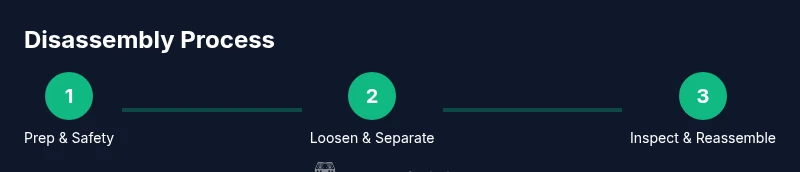
Disassembly should be performed in a controlled sequence: first secure the area, then locate the joints, loosen clamps, separate sections, inspect each piece, clean as needed, and finally reassemble with correct orientation. Always verify that joints are fully disengaged before attempting to slide pieces apart. After removal, inspect for damage and plan replacement if needed. The goal is a clean, safe separation that preserves joint integrity for reassembly.
Reassembly and final checks
Reassembly requires precise alignment. Begin by sliding the sections together and ensuring the gasket (if present) is seated evenly. Tighten clamps incrementally and avoid over-tightening, which can warp the metal. After assembly, perform a visual inspection for gaps or misalignments, then re-check all fasteners. Finally, observe the system during a gentle test burn or smoke test (if appropriate for your stove type) to confirm there are no leaks or drafts.
Common mistakes and how to avoid them
Common mistakes include forcing joints apart, using lubricants on metal-to-metal seals, and skipping safety PPE. Another frequent error is misaligning sections during reassembly, which can cause leaks and reduced draft. To avoid these, take photos before disassembly, label sections, and follow manufacturer guidelines for the exact joint type. If you feel resistance, pause and reassess rather than applying extra force.
Finally, never bypass safety measures in the name of speed. A rushed job increases the likelihood of damage and potential hazard. Take your time, verify each step, and maintain a methodical approach.
Maintenance tips after disassembly
After disassembly, clean each section thoroughly to remove creosote and debris. Inspect gaskets and seals for wear, replacing as necessary. Store components off the ground on a protective surface to prevent nicks and corrosion. Document the work for future reference, noting the pipe type, joint design, and any parts that were replaced. Regular inspections help prevent buildup and ensure safe, efficient operation.
Tools & Materials
- Sturdy ladder(Stable, tall enough to reach the stovepipe safely)
- Safety goggles(ANSI-rated; protect eyes from debris)
- Heat-resistant gloves(Leather or silicone; long cuffs)
- Non-sparking screwdriver or socket wrench(For loosen clamps or fasteners)
- Flashlight or headlamp(Bright, hands-free preferred)
- Drop cloth or tarp(Protect floor from dust)
- Metal bucket(Catch loose joints and debris)
- Damp rag(Wipe joints after disassembly)
- Penetrating cloth or protective padding(Prevent floor damage beneath pipes)
Steps
Estimated time: 1 hour 15 minutes
- 1
Power down and let everything cool
Ensure the stove is completely cooled before touching any pipe. If there is a gas line, verify it is safely turned off where applicable. Remove ash, and ensure the area has good ventilation to avoid inhaling dust and fumes.
Tip: Never work on hot metal; hot joints can cause burns and warp components. - 2
Set up your workspace
Position the ladder securely, lay down a drop cloth, and turn on a bright light. Have a partner assist to stabilize boards and hold components as you loosen joints.
Tip: Have a second person assist with holding parts; it prevents slips and dropped pieces. - 3
Identify joints and clamps
Scan for slip-fit joints, crimped ends, or gasketed connections. Note orientation so reassembly matches the original setup. Take a quick photo for reference.
Tip: Document each connection to avoid misalignment during reassembly. - 4
Loosen clamps gradually
Loosen the clamp or joint band slowly with the appropriate screwdriver. Work evenly around the band to avoid warping the pipe edge.
Tip: If a band is stubborn, wait a few minutes and try again instead of forcing it open. - 5
Separate pipe sections
Gently slide the sections apart, keeping the cut ends clean and straight. Do not twist or hammer the pieces, which can deform the joints.
Tip: If a section sticks, apply short, controlled taps with a soft mallet on the outer edge only. - 6
Inspect and clean each section
Check for corrosion, cracks, or heavy creosote buildup. Wipe interior surfaces with a damp rag and brush as needed, ensuring dry surfaces before reassembly.
Tip: Discard any damaged pieces and replace with compatible parts. - 7
Assess joint integrity
Look for warping or misalignment in joints. Replace gaskets if present and ensure clean sealing surfaces. Do not reuse worn joints.
Tip: A small misalignment can ruin draft; fix before continuing. - 8
Reassemble with correct orientation
Slide sections back into place, seating any gaskets and ensuring proper alignment. Tighten clamps incrementally and verify a tight, straight fit.
Tip: Use photo references to ensure exact orientation during reassembly. - 9
Final test and cleanup
Perform a visual inspection, then run a brief heat-up or smoke test if appropriate for your system. Clean up the workspace and store tools properly.
Tip: Record any parts replaced and note maintenance dates for future reference.
Common Questions
Is it safe to disassemble stove pipe by myself?
Yes, with the right safety gear and careful steps. If you’re unsure or encounter heavy corrosion, consult a professional.
Yes, you can do it alone if you follow safety guidelines and feel confident. If in doubt, hire a pro.
What tools do I need for stove pipe removal?
Basic tools include a sturdy ladder, safety goggles, heat-resistant gloves, a screwdriver or wrench for clamps, a flashlight, and a metal bucket for debris.
You’ll want gloves, goggles, a sturdy ladder, and a few hand tools for clamps and fasteners.
How do I know if a joint is damaged?
Look for cracks, rust, warped sections, or missing gaskets. If you see any of these, replace the affected joint or section.
Check for cracks, rust, or warping; replace damaged parts before reassembly.
Do I need sealant or gasket when reassembling?
Joints may use gaskets for a sealed fit; replace with the correct gasket type if present. If the joint is metal-to-metal, ensure clean, dry contact.
Yes, use the correct gasket if your system requires it; otherwise ensure clean metal contact.
What should I do if a joint won’t separate?
Stop, reassess alignment and corrosion. Use light taps with a mallet if appropriate, and consider applying gentle penetrating contact only to the joint, not the metal surface.
If it won’t separate, stop and reassess. Gently recheck alignment and corrosion before trying again.
What signs indicate I should replace the pipe?
Cracks, severe corrosion, warped sections, and loose joints are clear indicators that replacement is needed to maintain safe operation.
Replace if you see cracks, heavy corrosion, or warping to maintain safety.
Watch Video
Top Takeaways
- Plan safety first and wear PPE.
- Loosen joints gradually; avoid forcing parts.
- Inspect joints for wear and creosote buildup.
- Reassemble with proper orientation and test for drafts.