How to Put Stove Pipe Together: A Practical, Safe Guide
Step-by-step instructions for assembling stove pipe safely, including tools, components, and maintenance tips from Stove Recipe Hub.


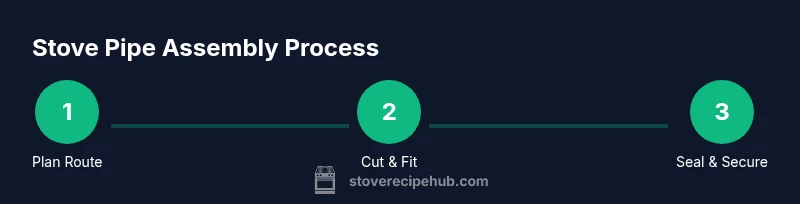
Stove pipe assembly follows a clear sequence: match the pipe diameter to the stove outlet, connect joints airtight, and secure sections with appropriate clamps or straps. Work with the stove cool, lay out the route first, and confirm all parts are rated for your stove’s heat. Check local codes before starting.
Why proper stove pipe assembly matters
When you learn how to put stove pipe together, you reduce the risk of fire, improve draft, and minimize creosote buildup. Proper assembly ensures airtight joints, safe venting of combustion byproducts, and maintains consistent heat transfer. According to Stove Recipe Hub, sloppy joints or mismatched components can create gaps that let smoke or hot gases escape into the living space and potentially damage nearby materials. A well-assembled system also helps your stove perform as designed, delivering steady heat and reducing fuel use. In this guide we’ll cover the core reasons to pay attention to detail, common mistakes, and practical steps you can take to verify each connection is secure. You’ll also learn how to plan your run, select the right parts, and recognize warning signs that require a professional intervention. If you’re new to stove maintenance, approach the task with patience and respect for safety protocols. Even small errors in alignment or sealing can lead to heat loss or leaks, especially at ceiling and wall penetrations. With the right approach, you’ll create a durable vent that serves your stove for years to come.
Understanding stove pipe components
A typical stove pipe system includes the stove outlet, straight pipe sections, elbows or offsets, a wall thimble, a roof flashing, and support hardware. Don’t mix metal types unless the manufacturer approves; use the same diameter for all sections that connect directly to the stove. Connectors terminate with a gasket or sealant designed for high heat; avoid generic silicone that may degrade over time. Elbows are handy for weaving the run around obstacles, but each bend adds resistance to airflow, which can affect drafting. Use adjustable braces or wall straps to prevent sagging, and keep vertical runs as short as possible to minimize condensation. Remember to check local codes for vent clearance and support requirements, and ensure you have all necessary parts before you begin. When you inspect components, look for corrosion, dents, or bent connectors that could compromise the seal. A clean, straight surface ensures a more reliable seal and easier disassembly for maintenance.
Planning layout and safety considerations
Before you start, map your route from stove outlet to the exterior vent. Plan for straight runs, smooth elbows, and accessible joints. Safety responsibilities include wearing eye protection and gloves, ensuring the stove is cool, and keeping children and pets away from the workspace. Verify that the chosen path avoids flammable materials and is protected where it passes through walls or ceilings. If you must penetrate a combustible surface, install a proper wall thimble and roof flashing, and seal any gaps with non-combustible sealant. Keep a clear access path for future inspections and cleaning. Local codes may require a permit or inspection, so consult your local building authority if you’re unsure. A well-planned layout reduces the chance of leaks and makes future repairs easier. Remember: a small delay at the planning stage now saves much more work later.
Selecting parts and tools
Choose pipe sections that match the stove outlet diameter; mismatches are a common source of leaks. Use high-quality clamps, braces, and fire-safe sealants rated for stove pipe. Keep spare elbows for changing direction, and have at least a couple of extra feet of pipe on hand in case you need adjustments. For tools, assemble a basic kit: tape measure, pencil, level, marker, hacksaw or pipe cutter, protective gloves, and safety glasses. You may also need a drill with metal bits for securing wall straps. Non-combustible sealant or gasket material should be used at every joint to create a tight seal. Store components in a dry area to prevent rust before installation. Confirm that all parts are rated for the temperature your stove reaches and that any flashing or shields match your roof type.
Common mistakes and how to avoid them
Common mistakes include using mismatched diameters, skipping seals, or overtightening joints which can damage threads or warp connectors. Avoid forcing a pipe through a tight wall opening without a proper thimble; this invites leaks and heat transfer to surrounding materials. Do not install elbows with acute angles that create sharp turns; they increase resistance and can cause drafts to stall. Never leave joints unsecured in the attic or above the ceiling— sagging pipe invites leaks and damage. Always test joints after assembly by applying a gentle smoke or air test and listening for hissing sounds. Finally, don’t rush the process; take time to verify each connection is clean, dry, and fully seated before moving on.
Maintenance and safety after installation
A stove pipe system requires periodic inspection. Look for corrosion, loose clamps, or soot buildup on joints during routine checks. Clean the accessible portions of the pipe with a dry brush, never using water on hot wood stove components. Schedule an annual professional inspection if your stove is older or if you notice excessive creosote. Keep a working extinguisher nearby, and ensure you have a clear outdoor vent path away from doors and windows. By staying proactive with maintenance, you’ll extend the life of your stove and protect your home from potential hazards.
Tools & Materials
- Stove pipe sections (correct diameter)(Match outlet diameter on stove to the pipe)
- Elbows/offsets and adapters(Keep spare pieces for adjustments)
- Non-combustible sealant/gasket material(Rated for high temperatures; apply at all joints)
- High-temperature clamps or straps(Secure joints and support runs)
- Wall thimble and roof flashing(For through-wall/roof installations)
- Measuring tape, level, pencil(For accuracy and alignment)
- Pipe cutter or hacksaw(Cut pipe to length as needed)
- Safety gear: gloves, eye protection(Always wear PPE)
- Dry cloth/rag for cleaning surfaces(Keep joints dry before sealing)
Steps
Estimated time: 60-120 minutes
- 1
Verify stove and pipe compatibility
Check the stove outlet diameter and confirm that all pipe sections are rated for high-heat operation. Ensure you have the correct length and number of sections before starting the install.
Tip: Double-check the manufacturer’s guidelines for your stove model. - 2
Prepare workspace and safety gear
Clear the area, lay out parts, and don PPE. Ensure the stove is completely cool and that there is adequate ventilation.
Tip: Keep a fire extinguisher within arm’s reach during the process. - 3
Lay out route and mark measurements
Plan straight runs with minimal bends. Mark lengths on pipe pieces and identify where elbows, thimbles, and flashing will be placed.
Tip: Avoid sharp elbows that create excessive resistance to airflow. - 4
Cut pipe to length
Using a pipe cutter or hacksaw, trim sections to match your layout. Deburr edges for a clean fit and remove any burrs that could damage joints.
Tip: Cut pieces slightly longer than needed, then trim for a precise fit. - 5
Assemble base pipe and joints
Dry-fit sections first to confirm alignment. Then apply non-combustible sealant at joints and tighten with clamps without over-torquing.
Tip: Ensure all joints are clean and dry before sealing. - 6
Install elbows and connectors
Position elbows for a smooth airflow path. Secure each connection with clamps; avoid over-tightening that could distort threads.
Tip: Keep the run as vertical as possible where practical. - 7
Penetrate walls/roof safely
Install wall thimble and roof flashing as required. Seal around penetrations to prevent water intrusion and heat leakage.
Tip: Follow local code requirements for through-wall installations. - 8
Seal joints and test
Re-check every joint for dryness and integrity. Perform a light test by slowly letting air flow and listening for leaks or hiss.
Tip: If you hear leakage, re-seat the joint and re-seal. - 9
Final inspection and maintenance plan
Do a thorough visual inspection after installation and set a schedule for future checks. Document parts and dates for reference.
Tip: Keep a maintenance log for easier future servicing.
Common Questions
Can I reuse old stove pipe joints for a new installation?
Reusing old joints is not recommended. Joints can degrade over time, losing seal integrity. Use new,-rated components for a safe install and consult local codes if you’re unsure.
Reusing old joints isn’t recommended because they can fail and leak. Use new components and check local codes if you’re unsure.
What is the proper sequence for connecting stove pipe sections?
Connect sections in a straight-through manner, adding elbows only where needed for routing. Seal each joint before securing and avoid crossing connections that can weaken the vent.
Connect straight through, add elbows as needed, seal every joint, and avoid unnecessary cross connections.
How can I prevent leaks at joints during installation?
Clean joints thoroughly, apply heat-rated sealant, and tighten clamps to snugly hold parts without over-torquing. Inspect each joint after assembly for gaps or looseness.
Clean and seal each joint, tighten clamps without over-tightening, and inspect for gaps after assembly.
Is silicone sealant acceptable on stove pipe joints?
Only high-temperature, non-silicone sealants rated for stove pipes should be used. General silicone can degrade under heat and should be avoided at joints.
Use only high-temperature sealants rated for stove pipes; avoid regular silicone at joints.
What safety steps should I take before starting the installation?
Ensure the stove is cool, disconnect nearby power if applicable, and clear the area of combustibles. Wear PPE and ventilate the space during installation.
Make sure the stove is cool, clear the area, wear PPE, and ventilate during installation.
How often should I inspect and maintain stove pipe after installation?
Schedule a periodic inspection—at least annually—and after any event that may affect the vent system. Look for corrosion, soot buildup, and loose clamps.
Have an annual inspection and check for buildup or loose clamps after use.
Watch Video
Top Takeaways
- Verify compatibility before starting installs
- Seal joints properly to prevent leaks
- Plan route to minimize bends and loss of draft
- Secure pipes and through-wall/roof penetrations
- Inspect and maintain regularly after installation