How to Install Stove Pipe: A Safe Step-by-Step Guide
Learn how to install stove pipe safely with practical, code-aware guidance. This guide covers planning, materials, through-roof and through-wall installations, and post-install checks for proper venting and fire safety.


This guide helps you install stove pipe safely and correctly, covering planning, material choice, and a practical step-by-step approach. You’ll learn about choosing the right pipe, planning a code-compliant path, and performing a step-by-step installation with emphasis on safety. Before starting, check your local codes and the stove manufacturer’s instructions for clearances and installation specifics. Follow along for a thorough, safer install.
Safety and Code Basics
According to Stove Recipe Hub, safety and code compliance are the foundation of any stove pipe installation. Before you touch a wrench, locate and read the relevant sections of your local building codes and the stove manufacturer’s installation manual. Installations that ignore clearances, improper materials, or unsecured joints can create fire hazards and carbon monoxide risks. Plan for a vent path that minimizes bends, keeps the pipe away from combustibles, and provides smooth draft. Always perform work with the system cold, wear protective gloves and eye protection, and work with a partner when handling long sections. If you smell gas or see signs of damage, stop immediately and call a licensed professional. After you complete the installation, inspect all joints, use the correct sealant, and perform a test run in a well-ventilated area. Keeping records of the installation helps with future inspections and potential warranty coverage. A properly planned and executed install reduces the risk of leaks, drafts, and chimney fires. This section uses plain terms and practical steps so you can approach the task with confidence, while staying within safety guidelines.
Types of Stove Pipe and Clearances
Stove pipe choices range from single-wall to double-wall configurations. Single-wall pipe is common for short, interior runs where heat exposure is limited, whereas double-wall or insulated systems are preferable for higher heat areas or exterior stacks. The path you choose should minimize long horizontal runs and sharp bends, which hinder draft and increase creosote buildup. Clearances from combustibles depend on the material and installation type, so always refer to the manufacturer’s manual and local codes. If you’re venting through an exterior wall or roof, you’ll typically need a roof or wall penetration kit, appropriate flashing, and a firestop to seal gaps. This section emphasizes planning and safe material selection to reduce the risk of leaks and fire hazards. As always, safety comes first, and Stove Recipe Hub strongly recommends reviewing code requirements before cutting or assembling pipe pieces.
Planning Your Installation Path
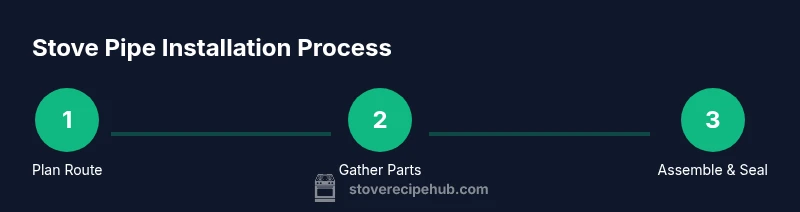
A well-planned path reduces draft problems, minimizes joints, and simplifies sealing. Start by mapping a straight-ish route from the stove outlet to the termination point, avoiding unnecessary turns. Measure the vertical and horizontal distances, noting any obstructions, attic spaces, or roof lines you must pass through. If you must rise through ceilings or a roof, you’ll need ceiling shields or floor plates and a through-roof flashing kit designed for your pipe diameter. Local regulations often dictate how high the termination must extend from a roof. In this section, you’ll learn how to translate rough room measurements into a practical, code-compliant layout that reduces heat exposure to nearby materials. Great care during planning minimizes the chance of leaks and creosote buildup later.
Materials, Fit, and System Design
Before cutting any pipe, finalize the system design and confirm that all components match in diameter and fitting type. Pipe diameters must align with your stove outlet and the vent termination. Gather elbows, tees, and appropriate adapters for transitions, plus termination components like roof flashing and a through-wall kit if needed. Keep a careful list of required pieces and confirm the total run length against your measurements. Using the correct high-temperature sealant and foil tape is essential for joint integrity. This section helps you assemble a complete, compatible system on paper before you start cutting.
Preparation of the Work Area and Personal Safety
Prepare your workspace by laying down drop cloths, removing flammable materials nearby, and ensuring good ventilation. Put on protective gear: heat-resistant gloves, safety glasses, and a dust mask if cutting metal. Have a clear plan for ladder placement and a partner to assist with handling long pipe sections. Label each pipe piece and keep fittings organized to speed assembly. Safety is not just about preventing burns; it’s also about ensuring you don’t accidentally create inhalation hazards or cause a misstep during installation. A tidy, well-lit workspace reduces the risk of mistakes and injuries.
Common Pitfalls and Troubleshooting
Even experienced DIYers can stumble on stove pipe installs. Common issues include misaligned joints, undersized components, and failure to seal joints properly, which leads to leaks or drafts. If joints don’t sit flush, check for burrs and re-cut pieces as needed. Always test joints with a simple draft test before final sealing. If you encounter persistent low draft, re-evaluate the path to avoid excessive horizontal runs, or consider a professional assessment. Stove Recipe Hub recommends documenting any deviations from the plan and consulting the manual for step-by-step troubleshooting guidance.
Maintenance, Inspection, and Post-Install Checks
Once installed, schedule a seasonal inspection to check for loose fittings, creosote buildup, or heat damage. Clean the pipe interior as recommended by the manufacturer, inspect the termination area for weatherproofing, and replace damaged gaskets or seals promptly. Keep a record of installation dates, part numbers, and any service notes to help with future inspections or warranty claims. Proper maintenance preserves vent efficiency and reduces the risk of chimney fires. This section emphasizes ongoing care to extend the life of your stove venting system and maintain a safe home environment.
When to Call a Professional
Installing stove pipe can be straightforward in simple layouts, but many situations warrant professional involvement. If you’re working with an unfamiliar roofline, a through-roof installation, or an unusual stove outlet, a licensed professional can ensure code compliance and safe venting. Professionals can also help with gas line integration, leak testing, and making sure the entire system meets local requirements. Stove Recipe Hub suggests using the step-by-step guide as a planning resource and recognizing when expert help is the safer choice.
Tools & Materials
- Stove pipe sections (matching stove outlet diameter)(Choose single-wall for interior runs; double-wall for outside or high-heat areas)
- Elbows, tees, and adapters(For directional changes and transitions)
- Roof flashing kit compatible with pipe diameter(Waterproof seal for through-roof installations)
- Ceiling/floor shields(Protect combustibles at entry points)
- High-temperature silicone sealant(Use heat-rated sealant for joints and penetrations)
- Aluminum foil tape (high-temp)(Seal and insulate joints; avoid standard tape)
- Fireproof mortar or sealant (if required by code)(Check local requirements)
- Measuring tape, pencil, ruler(Precise layout and measurements)
- Tin snips or metal cutter(For cutting pipe sections to length)
- Ladder, safety gloves, eye protection, respirator(Personal protective equipment)
- Drill/driver and appropriate screws(Optional for mounting components)
Steps
Estimated time: 2-6 hours
- 1
Assess code requirements and safety considerations
Review local building codes and the stove manufacturer’s instructions. Confirm the required clearances, venting type, and permitted installation configurations. This foundational step avoids code violations and safety risks before any cutting or fitting begins.
Tip: Document the code references you plan to follow and verify with a local inspector if needed. - 2
Measure the vent path and plan the route
Sketch the route from the stove outlet to the termination point, noting vertical and horizontal distances. Identify potential obstacles and decide where elbows or tees will be necessary to minimize turns. A simple, straight path improves draft and reduces creosote buildup.
Tip: Measure twice, cut once. Keep a spare length for minor adjustments. - 3
Prepare the work area and safety gear
Clear the workspace, remove combustibles, and set up a sturdy ladder with a stable footing. Put on heat-resistant gloves, safety glasses, and a respirator if cutting metal indoors. Ensure ventilation while cutting and assembling metal pieces.
Tip: Have a partner assist with lifting long sections and securing the ladder. - 4
Cut and fit pipe sections
Using tin snips, cut pipe pieces to the measured lengths. Dry-fit assemblies along the planned route to ensure pieces align and joints meet cleanly. Deburr any sharp edges for smooth joint insertion.
Tip: Dry-fit before final assembly to catch misalignments early. - 5
Assemble joints and apply sealant
Assemble the pipe sections with elbows and adapters as planned, tightening joints firmly. Apply high-temperature silicone sealant to joints and wrap with foil tape for air-tight sealing. Avoid over-tightening which can distort fittings.
Tip: Only use heat-rated sealants approved for stove pipe systems. - 6
Install through ceiling/roof and secure flashing
Install ceiling shields or floor plates at penetrations. Fit the roof flashing kit with the pipe directed through the opening, and seal all penetrations with the appropriate sealant. Ensure the flashing overlaps the upper layer for weatherproofing.
Tip: Seal and test to confirm there are no leaks around the penetration before finishing interior work. - 7
Perform draft and leak checks
Light a test fire in the stove and observe the draft. Check for smoke and gas leaks at joints with a safe method (smoke pen or soapy water). Tighten joints or re-seal as needed and verify there is a steady, upward draft.
Tip: If you notice backdraft, re-evaluate the path to shorten or straighten the run. - 8
Finish, clean up, and document
Remove tools, clean the area, and dispose of metal scraps properly. Record the installed components, pipe lengths, and hardware for future reference. Reinspect after a few weeks to catch any settling or movement.
Tip: Keep a maintenance schedule and check seals after cold/warm cycles. - 9
Know when to call a professional
If you encounter complex roof lines, uncertain clearances, or gas line interactions, consult a licensed professional. Complex installations may require permits and inspection to ensure safety and code compliance.
Tip: When in doubt, contact a pro to avoid hazardous mistakes.
Common Questions
What safety steps are essential when installing stove pipe?
Always follow local codes and use proper PPE. Ensure the area is well-ventilated, verify clearances, and perform leak testing after assembly.
Always follow local codes, wear PPE, and test for leaks after installing the pipe.
Can I install stove pipe myself at home?
DIY installation is possible for simple layouts if you follow manufacturers’ instructions and local codes. Complex routes or through-roof installations may require a licensed professional.
You can DIY if you follow the codes and manufacturers' instructions; call a pro for complex routes.
What tools are required for installing stove pipe?
You’ll need pipe sections, elbows/adapters, a roof flashing kit, ceiling shields, high-temperature sealant, foil tape, measuring tools, tin snips, and safety gear.
Have the pipe, fittings, flashing, sealant, and safety gear ready before starting.
How do I ensure there are no leaks?
Seal joints with high-temperature sealant, wrap with foil tape, and perform a smoke or soapy-water leak test after assembly. Re-seal any suspicious joints.
Seal joints with heat-rated sealant and test for leaks with a smoke test.
What if my stove pipe goes through the roof?
Use a roof flashing kit designed for your pipe diameter, seal penetrations, and ensure proper weatherproofing. Through-roof installations require extra care with flashing and fall protection.
Through-roof installations need proper flashing and sealing; consult the kit instructions.
When should I call a professional?
If you’re unsure about clearances, roof penetrations, or gas line integration, hire a licensed professional to ensure safety and code compliance.
Call a professional if you’re unsure about any part of the installation.
Watch Video
Top Takeaways
- Plan a code-compliant vent path before cutting.
- Use the correct pipe type and fittings for your setup.
- Seal joints with high-temperature materials and test for leaks.
- Through-roof installations require flashing and weatherproofing.
- Call a professional if the project exceeds your comfort level.