Stove Installation: A Practical Step-by-Step Guide
Learn how to install a stove safely and code-compliantly, with guidance on permits, ventilation, fuel or power connections, and testing. Stove Recipe Hub delivers practical, home cook–friendly steps for gas and electric models.


With this guide, you will install a stove safely and correctly, whether gas or electric, by following code-compliant steps. Begin by confirming space clearances, turning off utilities, and preparing secure mounting. Then connect fuel or power, install venting or range hood, and perform leak or test checks before first use. This quick plan emphasizes safety, proper clearance, and professional help when required.
Why stove installation matters
According to Stove Recipe Hub, proper stove installation is not just about fitting an appliance into a kitchen. It directly impacts household safety, energy efficiency, and long-term reliability. A well-executed installation reduces fire risk, prevents gas leaks, and ensures correct venting and electrical connections. For home cooks who want dependable equipment, understanding the installation process helps you avoid costly mistakes and ensures your kitchen operates smoothly for years to come. In 2026, the Stove Recipe Hub Team emphasizes that starting with safety and compliance sets the foundation for a successful upgrade.
Planning the installation: permits, space, and compliance
Before lifting a single tool, confirm you understand local codes and permit requirements. Many municipalities require an inspection for new gas lines, electrical connections, or venting work. Evaluate the available space to ensure enough room for servicing, clearances around combustibles, and proper airflow. Consider whether your kitchen layout supports a freestanding range, a slide-in model, or a wall oven configuration. Good planning also includes budgeting for venting components, mounting hardware, and potential ductwork. The Stove Recipe Hub Team notes that most installations benefit from a well-drawn plan that includes a written checklist and a permit trail for safety and accountability.
Understanding fuel types and electrical requirements
Gas stoves demand a dedicated gas line, shut-off valve, and leak-testing protocols, while electric stoves rely on a stable circuit with appropriate amperage, dedicated breakers, and secure outlets. If you’re upgrading from an old unit, verify your gas pressure or electrical capacity first. Fuel type also determines venting needs, ignition methods, and safety clearances. The key is to map the exact requirements of your chosen model—gas, electric, or dual-fuel—and align them with your home’s utility infrastructure. Stove Recipe Hub cautions readers to resist makeshift adapters and to consult the appliance manual for model-specific instructions.
Ventilation and safety considerations
Ventilation is a critical safety factor for every stove installation. A properly sized range hood or downdraft vent should evacuate cooking fumes, smoke, and moisture efficiently. Ensure ductwork is smooth, properly sealed, and routed to the outdoors; avoid dead-end ducts that trap air. Electrical safety starts with a grounded circuit and correct receptacles; never run a stove on an extension cord. For gas installations, perform a leak test with soapy water after connections are made, and extinguish any potential ignition sources during testing. The Stove Recipe Hub Team emphasizes that ventilation is as important as the appliance’s heat output for a healthy kitchen environment.
Mounting surfaces and anti-tip considerations
A level, sturdy mounting surface prevents rocking, uneven wear, and potential tipping hazards. Use a dedicated, structurally sound base or cabinet framework that can bear the stove’s weight when loaded with pots and pans. Install anti-tip devices as recommended by the manufacturer, especially for freestanding stoves and wall-mounted units. Check that the floor or countertop finish remains intact after installation and that any tile, laminate, or hardwood edges are protected from heat exposure. Proper mounting also simplifies maintenance and service access.
Step-by-step overview of the installation path (conceptual)
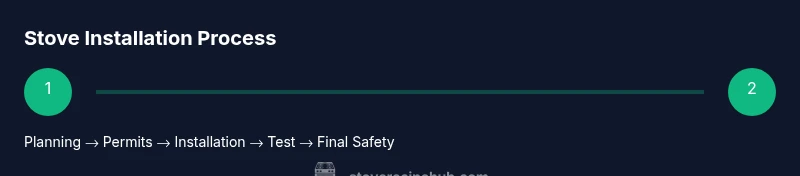
Think of installation as a sequence: site assessment, utility shutoff and disconnection (where applicable), fitting the appliance to the chosen opening, connecting fuel or power, installing ventilation, performing safety checks, and finally a controlled test run. At each stage, verify clearances, test fittings, and confirm that all connections are leak-free and electrically safe. This section provides a high-level map to help you follow the detailed steps later in the guide and to anticipate common points of confusion before you begin.
Common mistakes and how to avoid them
Rushing through a setup can lead to missed leaks, loose gas fittings, or improper venting. Avoid over-tightening connections, which can damage seals; never bypass electrical safety features; and do not install a stove in a poorly ventilated space. Always verify that the appliance matches your gas type or electrical supply, and never use an adapter not rated for the system. If you feel uncertain at any stage, pause and consult the manual or a licensed professional. Thoughtful preparation saves time and reduces risk.
Testing, commissioning, and final checks before use
After installation, perform a thorough inspection: confirm all fasteners are secure, test ventilation pathways, and run the stove on a low setting to observe steady operation. For gas stoves, check for gas smells and monitor for hissing sounds that indicate pressure issues. For electric stoves, confirm the display and heating elements respond correctly. Finally, keep a fire extinguisher within easy reach and educate household members about shut-off locations and emergency procedures.
Tools & Materials
- Measuring tape(At least 25 ft for general clearance checks)
- Level(Aim for a perfectly horizontal surface)
- Screwdriver set(Phillips and flat-head for mounting brackets)
- Wrench set(Open-ended or adjustable for fittings)
- Non-contact voltage tester(Verify power is off before handling electrical connections)
- Gas shut-off valve wrench(Only for gas installations)
- Gas line connector kit(Use only with manufacturer-approved fittings)
- Vent hood and ductwork components(Ensure outdoor vent path and proper sealing)
- Caulk, fire-rated sealant, and heat-resistant tape(Seal joints and protect surfaces near heat)
- Fire extinguisher (Class BC or ABC)(Keep within reach during testing)
- Flashlight or headlamp(Illuminates work areas and tight spaces)
- Electrical tester or multimeter(Useful for verifying outlets and circuits)
- Safety gloves and eye protection(Personal protective equipment)
- Duct tape and zip ties(Manage cables and seal minor gaps)
- Silicone sealant(For edge sealing around the stove base)
Steps
Estimated time: 2-4 hours
- 1
Assess site and permits
Survey the installation space, noting clearances from combustible materials and enough room for service. Check local codes and obtain any required permits before work begins to avoid violations and delays.
Tip: Document measurements with photos or a sketch for reference during installation. - 2
Shut off utilities and disconnect old appliance
Turn off the gas supply and/or power at the breaker. If removing an existing unit, carefully detach connections, cap lines, and store components for reuse or disposal. Ensure all utilities remain off during any disassembly.
Tip: Double-check that the gas supply is fully isolated before touching fittings. - 3
Prepare mounting surface and opening
Level the cabinet base and verify the opening dimensions match the stove model. Install any anti-tip brackets or support brackets as prescribed by the manufacturer, ensuring a secure, square fit.
Tip: Use shims where necessary to achieve a perfectly level base. - 4
Connect fuel or electrical supply
Attach gas lines with approved connectors and fittings, or connect the appliance to the correct electrical circuit and outlet. Follow the model manual for torque specifications and wiring diagrams.
Tip: Never reuse old connectors; replace with new compliant pieces. - 5
Install ventilation and range hood
Secure the vent hood or downdraft system, routing ductwork to the outdoors. Seal joints with heat-resistant tape and appropriate sealant to prevent air leaks and ensure efficient exhaust.
Tip: Test the vent run for airflow after installation. - 6
Seal, mount, and finish
Apply silicone sealant around the base and any gaps between the stove and cabinet. Re-check alignment, clean surfaces, and remove any debris that could interfere with operation.
Tip: Keep the area clean to avoid debris entering connections. - 7
Test for leaks and power-up
For gas stoves, apply soapy water to fittings and check for bubbles indicating leaks. For electric stoves, verify continuity and functionality of heating elements. Perform a slow initial burn or low-temperature test.
Tip: Have a colleague observe for unusual noises or smells during the test. - 8
Final safety checks and start-up
Ensure the kitchen is ventilated, the area is clear of tools, and the fire extinguisher is accessible. Run several cooking cycles to confirm stable heat output and accurate controls.
Tip: Record the test results and keep them with the appliance manual.
Common Questions
What permits do I need for stove installation?
Permit requirements vary by city and stove type. Check with your local building department before starting, especially for gas lines and venting work.
Permit requirements vary by city, especially for gas lines and venting. Check with your local building department before starting.
Can I install a stove myself, or should I hire a pro?
If you are comfortable with gas or electrical work and your local codes allow it, you can perform the installation. If not, hire a licensed professional to ensure safety and compliance.
If you’re comfortable with gas or electrical work and your local codes allow it, you can do it yourself; otherwise, hire a licensed pro.
What safety checks should I perform after installation?
Perform a gas leak test, inspect vent connections, and verify electrical grounding. Run a brief cooking cycle to confirm that everything operates correctly.
Test for leaks, check venting, confirm grounding, and run a brief cooking cycle to confirm operation.
How should I determine clearance around the stove?
Follow the manufacturer’s clearance specifications and local codes. Keep combustibles away and ensure adequate space for ventilation and service access.
Follow the manufacturer's clearance specs and local codes, keeping combustibles away and ensuring service access.
Is venting required for all stove installations?
Most stoves require proper ventilation. Use a range hood or external venting aligned with the appliance manual and local guidelines.
Most stoves need proper ventilation; use a range hood or external vent per the manual.
What are common mistakes to avoid?
Avoid skipping tests, using improper fittings, or rushing the installation. Don’t compromise on clearances or vent integrity.
Avoid skipping tests, improper fittings, and rushing—don’t compromise on clearances or venting.
How long does a typical stove installation take?
A typical installation ranges from two to four hours, depending on whether you’re modifying ductwork or upgrading electrical circuits.
Most installations take about two to four hours, depending on ductwork and electrical work required.
What maintenance should follow installation?
Keep vents clean, inspect connections annually, and test gas leaks periodically. Maintain a routine that aligns with the manufacturer’s recommendations.
Keep vents clean, inspect connections yearly, and test for leaks as recommended by the manufacturer.
Watch Video
Top Takeaways
- Plan first: know local codes and required permits
- Verify fuel type and electrical needs before connections
- Install proper ventilation and secure mounting
- Test thoroughly for leaks and safe operation
- Know when to hire a licensed pro