Gas Stove Installation: A Practical, Safety-First Guide
Gas stove installation: a complete, step-by-step guide for home kitchens, covering safety, required tools, permits, leak testing, and follow-up maintenance.


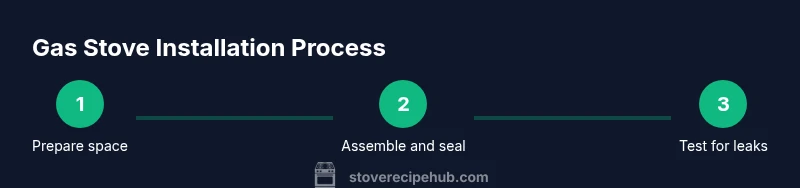
Install a gas stove safely by following a 7-step sequence that covers shutting off gas, prepping the cabinet, connecting the manifold, sealing joints, and testing for leaks. You’ll need a gas-rated connector, wrench, plumber’s tape, a regulator, and a gas detector. Always verify local code requirements before starting.
What Gas Stove Installation Involves
Gas stove installation is a safety-critical home improvement task that combines plumbing, electrical considerations, and ventilation. The process begins with planning and ends with a functional, odor-free cooktop that won’t leak or overheat. You’ll verify gas supply status, prepare the cabinet opening, mount the appliance, connect the gas line with proper fittings, and perform leak testing. The goal is a reliable setup that passes local inspections and keeps your family safe. According to Stove Recipe Hub, gas stove installation should be treated as a safety-critical project, and taking time to plan reduces the risk of leaks and fire hazards. Expect to spend time on measurement, alignment, and checking clearances around the stove and hood. A well-executed install also supports efficient burner performance and proper venting.
Key considerations include gas line integrity, shut-off accessibility, electrical needs for ignition (if applicable), proper venting, and adherence to manufacturer installation instructions. While DIY is possible for some households, many jurisdictions require licensed professionals for final inspection, particularly where gas lines or ventilation ducts are involved. This section lays the groundwork for a safe, compliant installation that lasts for years.
Planning: Codes, Permits, and Safety
Planning is where you protect yourself from code violations and dangerous mistakes. Start by checking local building codes and utility requirements for gas appliances. Many regions require a permit and a licensed gas fitter to perform or inspect the work. Gather your appliance manual, the home’s gas shut-off location, and any venting requirements. Ensure you have the correct fuel type and pressure rating for your stove, and verify that the installation will not obstruct egress or exhaust airflow. Keep a clear path to the work area and ensure that kids and pets are kept away during installation. The Stove Recipe Hub team emphasizes documenting any deviations from standard practice and obtaining written confirmation from your local authority before proceeding.
Tools, Materials, and Prep
Before touching a single connection, assemble the essential tools and materials. A well-prepped workspace reduces the risk of mistakes and makes the job faster and safer. The list typically includes a gas-rated flexible connector, a regulator (if required by the stove), a shut-off valve, adjustable wrench, pipe thread sealant or approved gas-rated tape, a level, non-scratch pads, soapy water for leak checks, a voltage tester if electrical ignition is present, a screwdriver set, a drill and bits for cabinet modifications, and a gas leak detector spray. Also prepare a carbon monoxide detector for ongoing safety and a fire extinguisher within reach. Mark out the cabinet cutouts and ensure the vent hood or range hood will fit properly. Remember to turn off the gas at the source before starting any disassembly or measurements.
Practical Setup Scenarios: Through-Wall, Cabinet, and Venting
Gas stove installation varies by kitchen layout. If your gas line runs through a wall, you’ll need to maintain fireblocking, proper clearance from combustibles, and an accessible shut-off. When the stove sits in a cabinet, ensure a stable, level base and adequate ventilation around the device. For venting, confirm that the range hood is appropriately sized for the stove’s BTU output and that ductwork is correctly sealed to the exterior. In all scenarios, follow the manufacturer’s installation instructions precisely and maintain consistent pipe alignment to prevent strain on the joints. The key is to avoid sharp bends in gas lines and to keep all connections dry and clean before applying sealant.
Common Pitfalls and How to Avoid Them
Common errors include skipping the shut-off valve location, using mismatched fittings, over-tightening joints, and ignoring ventilation requirements. Leaks often go undetected if soapy water is not used or if the area is not thoroughly tested. Another pitfall is failing to respect clearance requirements around the stove and hood, which can cause overheating or fire risk. To avoid these, double-check the distance to combustible surfaces, ensure a level installation, and run a complete leak test after assembly. Remember that DIY gas work carries risk; when in doubt, consult a licensed professional.
Maintenance After Installation
Periodic maintenance keeps your gas stove safe and efficient. Inspect gas connections for signs of corrosion or rust and check the burner ports for clogs. Keep the area around the stove clean and free of flammable materials. Test the CO detector and gas detector regularly and replace batteries as needed. Schedule a professional inspection if you notice unusual odors, uneven flame colors (yellow flames indicate incomplete combustion), or if the appliance is not igniting reliably. The Stove Recipe Hub team recommends documenting maintenance checks and updating your safety plan as your kitchen evolves.
Tools & Materials
- gas-rated flexible connector(Ensure length allows a comfortable reach with no tension; use approved connectors.)
- gas shut-off valve(Place within easy reach of the stove for immediate shut-off.)
- adjustable wrench(Use for tightening fittings without over-torquing.)
- pipe thread sealant or gas-rated tape(Apply on male threads only; avoid excess material.)
- level(Ensure the stove is perfectly level for even burner performance.)
- soap solution or gas detector spray(Use to test for leaks after connections are made.)
- screwdriver set(For cabinet mounting and trim adjustments.)
- drill and bits(Optional for custom cabinet modifications.)
- vent hood or range hood(Ventilation is critical—select unit that matches stove BTU and ducting.)
- carbon monoxide detector(Place near kitchen area for ongoing safety.)
- fire extinguisher(Keep within reach in the kitchen.)
Steps
Estimated time: 60-120 minutes
- 1
Prepare and secure workspace
Turn off the gas supply at the main shut-off and disconnect any power to the area. Clear the cabinet opening and remove old fixtures if present. Verify you have the model’s instruction manual and any required permits.
Tip: Label connections and take photos before disassembly to aid reassembly. - 2
Verify alignment and ventilation
Measure the cabinet opening and compare with the stove base. Confirm clearances to walls, cabinets, and the hood. Ensure venting route is unobstructed and will terminate outside the building.
Tip: Use a level to check the stove surface once placed for final alignment. - 3
Mount or position the stove
Slide the stove into the cabinet opening carefully, avoiding bending the gas line. Use shims if needed to achieve a level base. Secure mounting brackets per manufacturer instructions.
Tip: Work with a helper to prevent accidental bumps. - 4
Connect the gas line and regulator
Attach the gas connector to the stove inlet and to the main supply with proper fittings. Apply gas-rated tape or sealant as directed, and tighten fittings securely but not over-tight.
Tip: Do not reuse old connectors; replace damaged hoses. - 5
Seal joints and check for leaks
Apply a soap solution to all joints and carefully turn on the gas. Look for bubbles indicating leaks and tighten as needed. Re-test until no bubbles appear.
Tip: Perform a leak test in a well-lit area and keep flames away during testing. - 6
Electrical ignition and burner tests
If your stove uses electronic ignition, verify power is connected and test each burner for a steady, blue flame. If no ignition, follow manual lighting procedures carefully.
Tip: If you see an orange or yellow flame, turn off and inspect air shutters. - 7
Ventilation setup and commissioning
Install or connect the range hood, ensuring ductwork is sealed and directed outdoors. Verify that the venting system draws air effectively when burners operate.
Tip: Run the hood at a minimum setting during initial burn to remove any odors. - 8
Final safety checks and documentation
Test all burners again, check for gas odors, verify CO detector is powered, and note serial numbers and model details for future service. Clean the area and restore cabinet finishes.
Tip: Keep a written checklist and a contact for a licensed professional if anything feels uncertain.
Common Questions
Do I need a permit to install a gas stove?
Most jurisdictions require a permit or inspection for gas stove installations. Check with your local building department and consider hiring a licensed professional for the final inspection.
Most places require a permit; contact your local building department to confirm and consider professional inspection for safety.
Can I install a gas stove myself?
DIY installation is possible for simple, sealed installs in accordance with the manufacturer's instructions and local codes. For complex gas lines or venting, hire a licensed gas fitter.
DIY is possible for straightforward installs, but for anything involving gas lines or ventilation, consult a licensed professional.
What are the common signs of an unsafe gas installation?
Common signs include rotten egg odor, hissing sounds, yellow burner flames, soot on the stove, or heat that feels excessive or inconsistent. If you notice any, shut off gas and call a professional.
If you smell gas, hear a hissing sound, or see soot, shut off the gas and call a professional immediately.
What components require professional service?
Gas pipe installation, major venting modifications, and final inspection for safety and compliance typically require a licensed professional. Routine maintenance can be done by homeowners following the manual.
Gas pipes, big vent work, and final safety checks are usually done by a licensed pro.
How often should I test for gas leaks?
Test for leaks after installation and periodically thereafter, especially after any maintenance or relocation of the stove. Use soapy water and check all connections.
Test after installation and after any work, using soapy water to check connections.
Watch Video
Top Takeaways
- Follow local codes and permits before starting.
- Prepare tools and workspace to minimize mistakes.
- Leak testing is essential; never skip it.
- Ventilation is a must for safe operation.
- Document maintenance and future service needs.