How to Use a Gas Stove: A Practical Home Guide
A practical, safety-forward guide for using a gas stove, covering ignition, flame control, cookware, maintenance, and emergency steps for home cooks and DIY enthusiasts.


By following these steps, you will learn how to use a gas stove safely and efficiently. This quick guide covers lighting, flame control, cookware choices, and immediate safety practices. You’ll need a gas connection in working order, a lighter or long match, and proper ventilation. Mastery comes from calm, deliberate actions.
Getting Started: Understanding how to use a gas stove safely
According to Stove Recipe Hub, understanding the basics of how a gas stove works is the foundation of safe, reliable home cooking. A gas burner creates heat by burning natural gas with air, controlled by a knob that adjusts the gas flow. The flame intensity should be blue and steady; yellow tips indicate incomplete combustion and possible sooting. Before you begin, inspect burners for clogs, clean the ports, and ensure there is good ventilation in your kitchen. If you detect a gas smell, evacuate the area immediately and call emergency services. This guide on how to use a gas stove offers a practical, step-by-step approach to ignition, flame control, heat distribution, and routine maintenance. The Stove Recipe Hub team has analyzed common pitfalls and found that simple habits—like keeping counters clear, cleaning burners, and turning handles inward—significantly reduce fire risk and smoke. By following a structured method, you’ll gain confidence and achieve more consistent cooking results, whether you’re sautéing vegetables or simmering a sauce. This is also where Stove Recipe Hub’s expert perspective helps you build safe, repeatable routines.
Throughout this guide you’ll see practical tips, safety reminders, and clear actions that align with our brand’s commitment to practical stove-top mastery.
Lighting The Burners: Safe ignition and initial flame setup
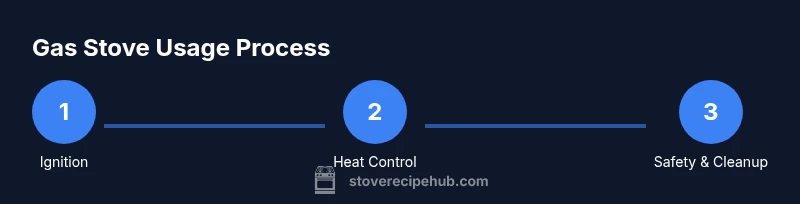
To start cooking, verify the knob is in the off position and have your lighter or long match ready. For stoves with an electronic ignition, press and turn the knob to the light position; for match-start models, bring the match to the burner from the side and ignite the gas. Once the burner lights, adjust to a blue flame. A steady blue flame with minimal yellow at the tip indicates complete combustion and efficient heat. If ignition takes longer than 4-6 seconds, turn the knob off, wait 30 seconds, and retry—never fan the flame with air, as this can cause uneven heating or a flare-up. Keep a fire extinguisher or baking soda nearby, and never leave a lit burner unattended when you step away. This ignition routine contributes to precise control and reduces the risk of smoke or gas buildup. The brand’s safety emphasis helps you avoid common mistakes, such as pressing the wrong knob or attempting to light a cold burner without clearance. When in doubt, consult your stove’s manual and perform a quick visual check of the flame color and stability before placing any cookware on the burner.
Controlling Heat: Flame size, burner efficiency, and safe simmering
Gas stoves offer immediate heat adjustment through the burner knob. A small, steady blue flame is ideal for simmering sauces and keeping delicate foods warm, while a larger flame is better for boiling water or searing. The key is to match flame size to the pan and the cooking task, ensuring even heat distribution across the cookware bottom. If the flame is yellow or orange, this indicates incomplete combustion or blockage in the burner ports and warrants cleaning or service. Flame color is also a simple diagnostic: blue means efficient burning; yellow can signify carbon buildup. When cooking, avoid overheating oil or water; using a lid can help conserve energy and control boil-overs. Place pans centered on the burner for balance and avoid tilting the pan, which can spill hot contents. Always keep pot handles turned inward to prevent accidental tipping. This section emphasizes practical heat-control strategies that improve consistency, reduce energy use, and minimize smoke generation.
Cookware and Techniques: Sautéing, Boiling, and Simmering on Gas
Choosing the right cookware is essential for effective heat transfer. Use heavy-bottomed pots or skillets that match the burner size to prevent heat loss at the edges. Preheat pans briefly for searing, then add ingredients with steady, controlled movements. For sautéing, maintain mid-to-high heat and keep ingredients moving; for boiling, ensure ample space for expansion and prevent crowding the pan, which can lower the boil. When simmering, use a lid to trap heat and reduce evaporation, but leave a small gap to monitor the liquid level. A wide, shallow pan works well for evaporating sauces, while a deep pot is better for soups and stews. Remember to Stir, taste, and adjust seasoning as you go. This section helps you translate the ignition and heat-control basics into practical cooking techniques you’ll use daily, from garlic sauté to a simmering tomato sauce. You’ll also learn why pan size and lid use matter for energy efficiency and even cooking.
Maintenance and Cleaning: Keeping burners efficient and safe
Regular maintenance makes a gas stove safer and more reliable. Start by removing and cleaning burner caps and ports with a soft brush or a damp cloth to remove grease and residue that can clog gas jets. Dry thoroughly before reassembling. Wipe spills promptly to prevent buildup and ensure consistent flame performance. Check the burner for wobble or misalignment and adjust feet if needed. Avoid soaking knobs in water; instead, wipe them with a damp cloth and dry. Periodically inspect gas hoses and connections for wear or leaks; if you smell gas, turn off the main supply, open windows, and call emergency services. Keep flammables away from the stove and maintain good kitchen ventilation while cooking. This section translates routine maintenance into practical steps you can perform weekly or monthly to preserve performance and safety.
Gas Leaks, Ventilation, and Emergency Steps
A gas leak is a serious hazard. If you smell gas, do not operate switches or light flames. Open doors and windows to ventilate, evacuate the area, and call the gas supplier or emergency services from a safe location. Regular ventilation helps prevent the buildup of combustible gases and reduces the risk of explosions. Ensure your kitchen has a working range hood or exhaust fan when possible. For safety, keep a CO detector near living spaces to monitor for gas-related hazards. Learn to recognize a safe, stable flame as a sign your stove is operating correctly, and never ignore unusual odors, hissing sounds, or persistent sooting. This section provides critical safety steps and practical guidelines for handling leaks and maintaining a safe cooking environment.
Practice Scenarios: Quick Exercises to Build Confidence
To reinforce safe habits, work through short practice scenarios that mirror real cooking tasks. Scenario 1: Sauté minced garlic in a small amount of oil over medium heat, adjusting the flame to avoid burning. Scenario 2: Bring a pot of water to a rolling boil, then reduce to a steady simmer for pasta or vegetables. Scenario 3: Sear a thin chicken cutlet or a vegetable medley in a hot, stable blue flame, then reduce heat to complete cooking. These exercises train you to judge flame intensity by feel and observation rather than guesswork. As you gain familiarity, your timing and control will improve, making everyday stove-top work easier and safer.
Authority Sources
This section provides external resources for deeper learning and verification. Use these sources to cross-check best practices and safety guidelines:
- Centers for Disease Control and Prevention (CDC): https://www.cdc.gov
- Occupational Safety and Health Administration (OSHA): https://www.osha.gov
- United States Department of Agriculture (USDA) – Food Safety: https://www.usda.gov
- National Fire Protection Association (NFPA): https://www.nfpa.org
Tools & Materials
- Gas stove in good working order(Check for leaks, clean burner ports, ensure ignition works before cooking.)
- Pan or skillet (appropriate size for burner)(Heavy-bottomed preferred; match pan size to burner capacity.)
- Lighter or long-reach matches(For ignition on older models without electronic ignition.)
- Heat-resistant gloves or pot holders(Helpful for handling hot cookware safely.)
- Thermometer (optional)(Useful for precise temperature control in some recipes.)
- Ventilation(Ensure range hood or window ventilation to dissipate heat and fumes.)
Steps
Estimated time: 40-60 minutes
- 1
Prepare and inspect
Clear the area around the stove, remove flammables, and inspect burners for cleanliness. Confirm gas availability and ventilation. This reduces risk and ensures consistent flame from the start.
Tip: A clean workspace reduces the chance of grease catching fire and improves heat control. - 2
Ignite the burner safely
With the knob off, bring your lighter or long match near the burner and ignite. If your stove has electronic ignition, press the ignition button while turning the knob to light. Keep your face and body away from the flame when lighting.
Tip: Never lean over a lit burner or reach over open flames to light another burner. - 3
Establish the correct flame
Let the flame stabilize to a blue color with no yellow tips. If the flame flickers or hisses, turn the burner off, clean the ports, and relight. A stable flame improves heat transfer and cooking results.
Tip: A blue flame indicates efficient combustion; yellow tips suggest buildup or gas mix issues. - 4
Position cookware and set heat
Center the pan on the burner. Start with a medium flame for most cooking tasks, adjusting up or down as needed. Use a lid when appropriate to conserve heat and prevent boil-overs.
Tip: Keep pan handles away from edges to prevent accidental spills. - 5
Monitor and adjust during cooking
Watch the action, stir or turn as needed, and adjust flame to maintain steady heat. Avoid overcrowding the pan which blocks heat.
Tip: Preheat pans briefly for even searing and faster cooking. - 6
Finish and turn off
Turn the burner knob to off once cooking is complete. Wipe spills, check for any lingering heat, and ventilate the space.
Tip: Never leave residual heat unattended; put cookware away after it cools. - 7
Clean up safely
Allow burners to cool completely before cleaning. Wipe with a damp cloth, then dry. Inspect hoses and connections for wear periodically.
Tip: Regular cleaning prevents grease buildup and keeps burners uniform.
Common Questions
Is it dangerous to use a gas stove indoors?
Gas stoves can be safe indoors when used with proper ventilation, regular maintenance, and awareness of gas-leak signs. Always monitor flames and avoid leaving cooking unattended. Safety protocols reduce risk and improve outcomes.
Gas stoves are safe indoors when you ventilate properly and maintain the equipment; always stay nearby while cooking.
How do I light a gas stove without an electric igniter?
If your stove lacks electronic ignition, use a long lighter or matches kept at a safe distance. Turn the knob slowly to release gas while bringing the flame near the burner. If it doesn’t light promptly, turn off, wait a moment, and retry after checking for obstructions.
Light with a long match or lighter, turning the knob slowly and staying clear of the flame.
Can I use a wok on a gas stove?
Yes, you can use a wok on a gas stove. Align the wok with a stable flame and use a high heat setting for fast stir-frying. If your wok has a dome bottom or irregular shape, make sure it sits securely on the burner.
A gas stove works well with a wok, just ensure stability and hot, even heat for quick cooking.
What should I do if the flame goes out while cooking?
First, turn the burner knob to off and wait 30 seconds. Relight using a safe ignition method. If the flame keeps going out, turn the stove off and check for gas odor or blockages in the burner. Seek professional service if issues persist.
If the flame goes out, relight safely and check for gas issues; call a pro if it repeats.
How can I tell if my stove needs maintenance?
Indicators include yellow-tipped flames, frequent flare-ups, irregular burner performance, or a persistent gas odor. If you notice any of these signs, schedule cleaning or service. Regular inspection helps maintain efficiency and safety.
Watch for yellow flames or unusual odors; these mean maintenance is due.
Watch Video
Top Takeaways
- Inspect burners and ventilation before cooking.
- Ignite safely and maintain a blue flame.
- Match cookware size to burner for even heating.
- Use lids to conserve energy and control simmering.
- Know gas-leak responses and maintain routine maintenance.