Stove Top Gas Safety and Maintenance: A Practical 2026 Guide
Discover essential stove top gas safety practices, routine maintenance, and troubleshooting tips for home cooks. This guide from Stove Recipe Hub covers leaks, flame control, cleaning, ventilation, and safe usage.


By the end of this guide, you will safely operate, inspect, and maintain stove top gas for reliable flame control and reduced fire risk. Before you start, gather a gas-safe detector, soap solution, cleaning supplies, and a working fire extinguisher. We'll cover safety checks, leak tests, cleaning routines, and ongoing maintenance.
Why Stove Top Gas Safety Matters
Safe operation of stove top gas is essential for everyday cooking and family safety. A gas-burning surface delivers precise flame control, but improper use or neglect can lead to gas leaks, carbon monoxide buildup, or kitchen fires. By understanding how your stove top gas behaves and applying routine checks, you minimize risk and extend the life of your appliance. This knowledge translates to smoother cooks, fewer emergencies, and greater confidence in daily meals. Throughout this guide we’ll reference practical checks you can perform without specialized tools, while still recognizing when professional service is needed. Remember: steady flame control, proper ventilation, and timely maintenance are the trio that keeps your stove top gas functioning safely.
As you read, keep in mind that the Stove Recipe Hub team emphasizes practical, repeatable steps you can implement this week. According to Stove Recipe Hub, safety starts with awareness and small, consistent habits rather than dramatic, one-time fixes. The connection between mindful operation and fewer hazards is well supported by routine practice in real kitchens.
Common Risks with Gas Stoves and How to Mitigate Them
Gas stoves bring precision, but they also introduce risks if not used correctly. Common issues include small gas leaks (often detectable by smell or hissing sounds), burner clogs that lead to uneven flames, and poor ventilation that can accumulate combustion byproducts. Left unchecked, these problems can escalate to uncomfortable odors, poor heat control, or safety incidents. Mitigation starts with regular cleaning, correct burner alignment, and verified gas flow. Always ensure the range hood or exhaust fan is on during cooking to improve air quality. When in doubt, err on the safe side and seek a professional evaluation.
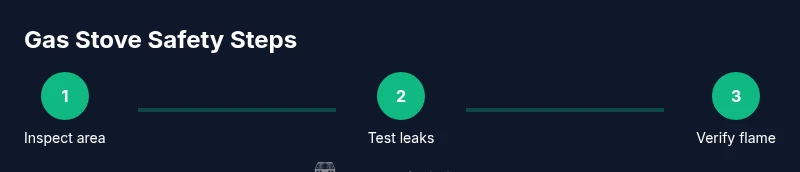
A practical approach is to incorporate a quick pre-cook safety check into your routine: inspect knobs and burners for moisture or debris, verify the flame is steady and blue, and confirm that the area around the stove is clean and dry. These small checks can dramatically reduce the chance of flame instability or gas-related issues.
From a home-cook perspective, the most impactful habit is a short monthly review of exterior gas connections and burner cleanliness. Based on Stove Recipe Hub analysis, households that perform these checks regularly report fewer safety concerns and smoother cooking sessions. The goal is consistency: a simple, repeatable routine that fits into your weekly kitchen rhythm.
Essential Maintenance Concepts for Stove Top Gas
Maintenance for stove top gas centers on keeping all combustion surfaces clean, ensuring reliable ignition, and validating gas delivery. Start with the burners: remove the caps and rings, clean away oil and food particles with a mild cleaner, and dry completely before reassembly. Kinks or misalignment can affect flame shape and heat transfer, so ensure grates sit flat and knobs turn smoothly. Also monitor the gas supply line for any signs of wear or damage and replace damaged components promptly. Regular checks reduce the likelihood of performance dips and help you catch issues before they become hazards.
Understanding flame behavior is key. A healthy flame is primarily blue with a faint orange tip when needed for certain tasks. If the flame is yellow or flickers aggressively, turn off the burner and inspect for debris, air supply issues, or a faulty valve. Small adjustments and routine cleaning can restore stable flame control and efficient heating.
Finally, document your observations. A simple log of dates, burner performance, and any replacements creates a historical record that makes future service visits faster and more effective. This proactive approach aligns with Stove Recipe Hub guidance on long-term stove top gas reliability.
Safe Cleaning and Cleanliness Routines
Cleaning is a foundational safety practice for stove top gas. Turn off and cool the burners before cleaning. Remove grates and burner caps, then soak or wipe with a mild detergent solution to eliminate grease buildup. A clean surface improves ignition reliability and flame performance. Avoid harsh abrasives that can scratch metal components and create hiding places for grease. After washing, dry all parts thoroughly to prevent moisture from reaching electrical connections.
Establish a weekly wipe-down habit for the cooktop surface and a monthly deep clean for the grates and burner assemblies. This routine reduces residue that can trap heat or block vent holes, helping maintain efficient flame control. When cleaning, never spray liquid directly onto gas components; apply cleaner to a cloth first and then wipe. Keeping your cooking zone tidy supports safer, more predictable stove top gas operation.
Ventilation, Fire Safety, and Gas Leak Response
Ventilation is a critical safety element for any stove top gas setup. Use the range hood or open a window to exhaust combustion byproducts, especially during high-heat tasks or when testing for leaks. Adequate airflow reduces the buildup of carbon monoxide and improves air quality. Be mindful of ignition sources and never operate a flame near opened cleaners or aerosols.
Gas leak response is a priority scenario. If you smell gas, do not ignite anything or switch on lights. Immediately turn off the gas supply if you know how, open doors and windows to ventilate, and leave the area. Contact your gas company or emergency services from a safe location. A professional should inspect all connections and components to confirm safety before resuming use.
Stove Recipe Hub emphasizes proactive safety planning: always know the emergency numbers, keep a class ABC fire extinguisher accessible, and practice safe handling of all cleaning products used near heat sources.
Routine Checks Before Cooking
Before you start cooking, perform a quick safety routine to ensure dependable operation. Verify that the flame is blue and stable, check that knobs return to the off position when released, and confirm that the grates sit evenly. If you notice a weak flame or unusual odors, clean the area, inspect connections, and test again. Proper ignition and flame stability are essential for efficient heating and safe cooking practice.
A simple pre-cook checklist keeps you aligned with best practices and makes daily meal prep more predictable. You’ll often accomplish this in under five minutes, which is time well spent for safety and performance.
When to Call a Pro
Certain issues require professional assessment. If you detect persistent flame instability, hissing sounds from gas lines, persistent gas odors after cleaning, or visual signs of corrosion, contact a licensed technician. Do not attempt major repairs on gas lines or regulators yourself. Regular professional inspections, ideally yearly or after any major appliance service, help prevent safety incidents and extend the life of your stove top gas.
Quick Recap: The Practical Path to Safer Stove Top Gas Use
- Practice regular, simple checks before cooking.
- Keep surfaces clean and components dry.
- Ventilate properly and respond calmly to any gas odor.
- Schedule annual professional maintenance for assurance.
Safety-first Mindset for Everyday Cooking
Adopting a safety-first mindset means treating every cooking session as an opportunity to practice good habits. By integrating leak checks, proper cleaning, and ventilation into your routine, you reduce risk and improve reliability of your stove top gas over time. The practice is scalable: start with small, repeatable steps and gradually expand to a more comprehensive safety protocol as you gain confidence.
Tools & Materials
- Gas leak detector(Battery-operated with audible alarm)
- Soapy water solution(DIY leak test (soap + water))
- Soft scrub sponge(Non-abrasive for burners and surfaces)
- Non-abrasive cleaner(Grease buildup on surfaces)
- Fire extinguisher (ABC-rated)(Keep accessible in kitchen)
- Ventilation source(Range hood or window for better air flow)
Steps
Estimated time: 60-90 minutes
- 1
Gather safety tools and prep workspace
Collect a gas leak detector, soapy solution, cleaning supplies, a fire extinguisher, and ensure the area is well-ventilated. Remove obstructions and keep ignition sources away while you work.
Tip: Having everything ready reduces the chance of improvising during testing. - 2
Inspect burners, caps, and knobs
Remove burner caps and inspect for debris. Wipe the surfaces, ensure caps sit flat, and test knob action to confirm smooth rotation. A clean, aligned burner improves ignition reliability.
Tip: A quick wipe-down prevents misaligned flames and uneven heating. - 3
Check gas supply and flame quality
Light a burner on a low setting and observe the flame. It should be steady, blue, and almost invisible except for a blue inner cone. If the flame is orange or unstable, turn off and inspect for debris or valve issues.
Tip: Never leave a lit flame unattended while inspecting flame stability. - 4
Perform a soap solution leak test
Dampen a cloth with soapy water and apply to connections and hoses. Look for bubbles indicating a leak. If you see bubbles, shut off the gas and call a professional.
Tip: Always test with soap and water—never use a flame to test for leaks. - 5
Check ventilation and ignition safety
Turn on the range hood or open a window to ensure good air flow. If you smell gas at any point, turn off the gas supply if safe to do so, evacuate, and contact emergency services.
Tip: Ventilation reduces risk and makes detection of issues easier. - 6
Document results and schedule maintenance
Record the outcomes of your checks and note any concerns. Create a simple maintenance schedule, including annual professional inspections and when to re-test after repairs.
Tip: A log helps you track changes and plan future maintenance.
Common Questions
What should I do if I smell gas in my kitchen?
Leave the area immediately if you smell gas, extinguish any flames if safe, and call your gas supplier or emergency services from a safe location.
If you smell gas, exit the area and call emergency services from a safe place.
Can I test for gas leaks with soap and water at home?
Yes. Apply a soapy solution to joints and connections; bubbles indicate a leak. If bubbles appear, shut off the gas and contact a professional.
Yes—soap and water can reveal leaks. If you see bubbles, shut off the gas and call a professional.
How often should I service a stove top gas appliance?
At least once a year, or sooner if you notice performance issues like irregular flames or gas odors.
Annual service is best, especially if you notice problems.
Is it safe to walk away while igniting a burner?
No. Stay nearby until the burner ignites reliably and remains stable.
Never leave unattended while igniting a burner.
What daily habits improve stove top gas safety?
Keep surfaces clean, ensure proper ventilation, and perform a quick pre-cook safety check every time you cook.
Clean surfaces, ventilate, and do a quick safety check before cooking.
Watch Video
Top Takeaways
- Inspect burners and connections before cooking.
- Use soapy water to safely test for leaks.
- Ventilate the area during testing and cooking.
- Schedule annual professional maintenance for stove top gas.