How to Keep a Stove Fire Going: A Practical Guide for Home Cooks
Learn practical, step-by-step methods to keep a stove fire going safely and efficiently, with tips for wood and gas stoves, airflow management, fuel loading, and essential maintenance.


Goal: Learn how to keep a stove fire going safely and efficiently. This guide covers fuel selection, air control, flame management, and timing for both wood-burning and gas stoves, plus essential safety checks like ventilation, CO monitoring, and cleaning routines to prevent trouble while cooking, including when to reload fuel, how to respond to a dying flame, and how to troubleshoot common issues without compromising safety.
Understanding how stoves maintain flame
According to Stove Recipe Hub, maintaining a steady flame on a stove hinges on three core factors: fuel, air supply, and heat. A well-balanced combination keeps the flame predictable and reduces energy waste. Home cooks should think in terms of a predictable flame envelope—enough heat to cook quickly, but not so much that you waste energy or scorch cookware. This section introduces the basics so you can apply them whether you’re using a modern gas burner or a traditional wood stove. The goal is consistency: a flame that responds to your settings with minimal lag, a sign you’re managing fuel and air effectively. In practice, you’ll fine-tune the flame by adjusting air flow, repositioning fuel, and monitoring the burn rate, all while keeping safety at the forefront.
Types of flames and what they indicate
Flame color and behavior tell you a lot about how your stove is performing. On a gas stove, a bright blue flame indicates efficient combustion, while a yellow or orange tip suggests incomplete burning or sooty buildup. On wood stoves, a steady, crackling flame with a steady glow signals healthy burning; a dull glow or excessive smoke means you may need to adjust air intake or fuels. The key is to observe, not guess. Regularly open the air control a touch to prevent smoke and to maintain a stable heat output. If the flame licks too high, reduce airflow; if it dwindles, inspect fuel and air balance.
Safety first: ventilation and detectors
Good ventilation is non-negotiable when you’re trying to keep a stove fire going. Ensure your kitchen or cooking area has adequate airflow, especially if you’re using a wood stove. Keep a properly installed carbon monoxide detector and smoke alarm in nearby locations, and test them monthly. Stove Recipe Hub analyses emphasize that ventilation improves combustion efficiency and reduces the risk of harmful gas buildup. If you notice persistent smoke or a persistent odor, pause cooking, extinguish the flame if safe, and inspect for blocked vents, dampers, or clogged burner ports.
Fuel selection and loading strategy
Choosing the right fuel and loading it correctly is foundational. For wood stoves, use dry, seasoned hardwood and avoid softwoods that can pop and spit embers. For gas stoves, ensure burners, ports, and grates are clean and free of debris to promote even flame distribution. Loading strategies differ: small, well-spaced logs or a balanced bed of coals on a wood stove sustain a longer, steadier burn, while a properly sized gas burner maintains consistent heat at the desired flame height. The common thread is using appropriate fuel in appropriate amounts to avoid smoldering or flame-out.
Airflow control: damper and shutter usage
Airflow is your primary way to modulate flame. Wood stoves typically use a damper or air control to regulate the amount of air entering the firebox; gas stoves rely on burner ports and, in some cases, an air shutter. The rule of thumb is to provide enough air for complete combustion and adjust gradually. Start with a moderate air setting, then tighten or loosen in small increments to maintain a stable flame. Sudden changes can cause smoke, odor, or uneven cooking temperatures. Practice makes perfect, but always prioritize safety and avoid forcing air too aggressively in enclosed spaces.
Step-by-step workflow for consistent flame
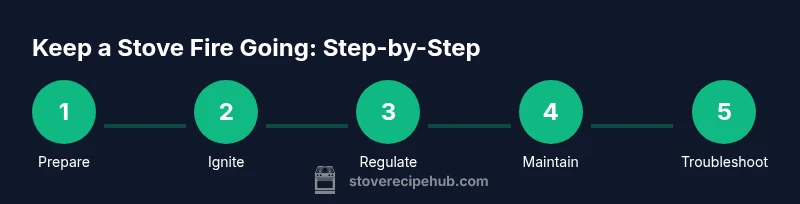
A practical workflow helps you keep a stove flame going during meal prep: (1) clear the area and ensure ventilation; (2) prepare dry fuel or check burner cleanliness; (3) light the fire using long matches or a lighter; (4) establish a gentle, active flame; (5) adjust air flow to keep a steady simmer or boil; (6) add fuel gradually to maintain flame without smothering; (7) monitor flame intensity and re-correct as needed to avoid scorching. This routine minimizes flame fluctuations and keeps cooking predictable.
Troubleshooting common flame problems
Flame fluctuations often come from fuel or air imbalances, dirty ports, or insufficient ventilation. If the flame is pale and flickering, clean burner ports or adjust air supply. If the flame dies, ensure there is fuel and air, and re-light safely. For wood stoves, high smoke or excessive ash can restrict airflow; clean the ash bed to restore air circulation. For gas stoves, check that the gas supply is steady and that the burner is seated properly. In all cases, never leave a lit stove unattended for long periods and keep a fire extinguisher nearby.
Safety, maintenance, and when to call a pro
Regular maintenance keeps every stove flame going safely. Clean burner ports, inspect gaskets, check damper operation, and test safety devices periodically. Always store fuel away from the flame and maintain a clear zone around the stove. If you notice persistent gas odors, cracks in the flame, or CO detector alarms, evacuate and call emergency services. Stove Recipe Hub recommends routine checkups and safe-handling practices as part of your cooking routine to prevent accidents and ensure long-term performance.
Authority sources and further reading
For readers seeking external guidance, consult authoritative sources on stove safety and combustion. The National Fire Protection Association (NFPA) provides general fire safety guidelines relevant to kitchen stoves. Government and university resources on home safety offer detailed advice on ventilation, CO monitoring, and proper maintenance practices. These references support the techniques outlined here and give you additional context for safe stove operation.
Authority sources (extended)
- NFPA: https://www.nfpa.org/
- CDC: https://www.cdc.gov/
- University Extension: https://extension.illinois.edu
Tools & Materials
- Heat-resistant gloves(Choose gloves rated for at least 450°F, snug fit for dexterity)
- Long-reach lighter or matches(Keep a safe distance from the flame; avoid short lighters)
- Stove poker or long-handled tongs(For adjusting logs, repositioning fuel, and shifting embers)
- Ash shovel and metal ash bucket with lid(Use a metal bucket with a tightly fitting lid; keep outside when possible)
- Dry hardwood logs or dry kindling(Store in a dry location; avoid damp wood that hides creosote buildup)
- Fire starters or tinder(Use safe, natural starters to prevent rapid flame surge)
- Fire extinguisher (Class ABC)(Keep within easy reach and know how to use it)
- Carbon monoxide detector(Install per manufacturer guidance; test monthly)
Steps
Estimated time: 45-90 minutes
- 1
Prepare the area and safety checks
Clear combustibles from the stove surround, open a window or turn on a vent, and verify CO and smoke detectors are functional. This creates a safe baseline before lighting a flame.
Tip: Always prioritize ventilation first to prevent smoke buildup. - 2
Gather fuel and kindling
Assemble dry hardwood logs or dry kindling and ensure you have enough to maintain a flame without needing constant reloads. Wet or damp wood will smother heat and produce more smoke.
Tip: Keep fuel dry and within easy reach of the stove. - 3
Build the initial fire structure
Place tinder in the center with a small layer of kindling on top, then arrange larger pieces around to form a tepee or log cabin shape. This structure encourages a robust, controllable burn.
Tip: A proper starter arrangement reduces the chance of a weak ignition. - 4
Light the fire safely
Ignite the tinder with a long lighter from the side, letting the kindling catch, then the logs. Avoid leaning over the flames; keep your body clear.
Tip: Use a dedicated lighter to minimize risk of flare-ups. - 5
Regulate airflow for steady heat
Set the air intake to a moderate level and observe the flame response. If the flame is too high, reduce airflow slightly; if it wanes, gradually increase air.
Tip: Make small adjustments to avoid sudden flame fluctuations. - 6
Load fuel as needed
When the flame stabilizes, add fuel in small, evenly spaced pieces so you don’t smother the flame. Avoid overloading the firebox.
Tip: Feeding in small increments maintains heat without excessive smoke. - 7
Monitor and maintain flame
Keep an eye on color, smoke, and temperature. A consistent blue flame (gas) or bright, crackling glow (wood) indicates good combustion. Rebalance air and fuel as cooking demands shift.
Tip: Take notes on what settings work best for your recipes. - 8
Troubleshoot common problems
If the flame dies or becomes irregular, check for fuel supply, air restrictions, or blocked ports. Re-light or rearrange as needed with the above steps.
Tip: Address issues early to avoid dangerous buildup. - 9
Finish safely and store fuel
When done, ensure the fire is fully out or the flames are reduced to a safe, low glow. Extinguish any embers properly and store fuel away from the stove.
Tip: Never leave a hot stove unattended without proper precautions.
Common Questions
Is it safe to leave a stove fire unattended while cooking?
No. Always monitor a flame while cooking, especially with wood stoves or gas burners. Use timers and ensure detectors are functioning. If you need to step away, extinguish the flame or reduce heat to a safe simmer.
No, never leave a stove fire unattended. Use a timer and keep an eye on the flame, especially with wood stoves or gas burners. If you must leave, extinguish it or lower heat and stay nearby.
Why does my gas stove flame flicker or go out?
Flickering or extinguished flames can indicate dirty ports, insufficient gas supply, or air balance issues. Clean ports, ensure valves are fully open, and adjust airflow gradually. If the problem persists, consult a professional.
Flickering flames usually mean dirty ports or airflow issues. Clean the ports, check gas supply, adjust airflow slowly, and seek professional help if it keeps happening.
How often should I clean burner ports to maintain flame quality?
Inspect and clean burner ports monthly or after using heavily. Built-up residue restricts airflow and causes uneven flames. Use a soft brush and avoid water to prevent electrical issues on gas models.
Inspect burner ports monthly and clean them to prevent uneven flames. A gentle brush does the job; avoid soaking gas components.
Can I keep a wood stove flame burning overnight?
Keeping a wood stove burning overnight is generally not recommended unless the unit is designed for overnight burning and you follow all safety guidelines. Use appropriate, dry fuel and ensure proper venting. If in doubt, extinguish the fire before sleeping and re-light in the morning.
Keeping a wood flame burning overnight isn't usually advised unless you have a stove built for it and proper safety measures. Extinguish before bed if unsure.
What should I do if I smell gas around the stove?
If you smell gas, evacuate immediately, avoid sparks, and call emergency services or your gas company from a safe location. Do not operate electrical switches or the stove. Once cleared, call a professional to inspect for leaks.
If you smell gas, leave the area immediately and call for help from a safe place. Do not turn on lights or appliances.
Are there signs of poor combustion I should watch for?
Yes. Look for yellow or orange tips, smoke, persistent odor, or soot buildup on cookware. These indicate incomplete combustion and inadequate air or fuel balance. Address airflow first, then verify fuel dryness and cleanliness.
Watch for yellow flames, smoke, or soot—these mean poor combustion. Tweak air and fuel, then clean the system if needed.
Watch Video
Top Takeaways
- Master fuel and airflow to sustain a steady flame.
- Prioritize ventilation and detectors to stay safe.
- Build a proper fire structure for reliable ignition.
- Make small, controlled adjustments to flame and heat.
- Practice troubleshooting to handle common flame issues quickly.