Stove Replacement Guide: Safe & Efficient DIY
Learn how to replace your stove safely with our step-by-step guide. Plan, measure, gather tools, install, and verify connections for a secure kitchen upgrade.


You will learn how to replace a stove safely and effectively. This guide covers planning, sizing, safety shutoffs, disconnecting the old unit, installing the new appliance, and testing all connections. Essential: correct fuel type, clearances, and professional help for gas lines or electrical work if needed.
Planning Your Stove Replacement
A successful stove replacement starts with a clear plan. Define your goals: fuel type (gas, electric, or induction), budget, cabinet fit, and ventilation needs. According to Stove Recipe Hub, careful planning helps DIYers avoid costly misfits and safety hazards. Begin with precise measurements of width, height, and depth, and compare them to the replacement unit's specifications. Consider energy efficiency ratings and warranty terms, since a more efficient model can save money over time. If you’re replacing a gas stove, confirm that your gas line diameter, shut-off valve, and regulator are compatible with the new unit. For electric stoves, verify circuit capacity and outlet configuration. Write a checklist to stay aligned with local codes and manufacturer requirements. A thorough plan reduces surprises and keeps the job on track.
Understanding Fuel Types and Code Requirements
Stove replacements come in several fuel configurations: gas, electric, and induction. Each type has distinct installation and safety requirements. Gas stoves demand a secure gas supply, proper venting, and leak-tight connections; electric stoves require a dedicated circuit and outlet; induction stoves depend on compatible cookware and often need a precise cutout. Local codes may require permits or inspections for gas line work or electrical changes. The Stove Recipe Hub analysis emphasizes that improper connections are a leading cause of post-install issues, so confirm fuel compatibility and venting before purchasing. If you’re unsure about codes or gas work, consult a licensed professional to avoid future hazards.
Measuring Space and Clearance Requirements
Accurate measurements ensure the new stove fits without obstruction. Record the exact width, height, depth, and clearance to walls, cabinets, and backsplash. If the existing installation sits flush with the counter, you may need trim kits or shims to create an even gap and prevent heat damage. Check that there is adequate clearance for the back of the unit to the wall and for any range hood ducting. For gas stoves, ensure the shutoff valve is accessible and that hoses or rigid piping won’t kink or bend. If the new model has a different venting or hood requirement, plan those changes now to avoid rework later.
Safety Basics Before You Begin
Safety is the highest priority in stove replacement. Start by shutting off power at the breaker for electric stoves and closing the gas main valve for gas models. Use a non-contact voltage tester to confirm there are no live circuits near outlets or burners. Keep a fire extinguisher within easy reach and maintain a clean, dry workspace to prevent slips. If you smell gas, evacuate and call the utility or fire department immediately. Never attempt a gas repair without proper training or permits. This step reduces the risk of fires, leaks, and electrical shocks.
Tools, Materials, and Prep Work
Preparation is half the work. Gather tools like an adjustable wrench, screwdrivers (Phillips and flathead), pliers, a measuring tape, a level, and a non-contact voltage tester. Essential materials include appropriate connectors or hoses, gas-rated sealants, and a dedicated circuit or outlet if required by the new model. Have a flashlight and a bucket of rags for quick spills, and keep the installation manual accessible. Label fasteners and keep hardware organized to speed reassembly. Dry-fit the new appliance in the space to confirm fit before disconnecting the old one.
The Installation Overview: What Happens During Replacing a Stove
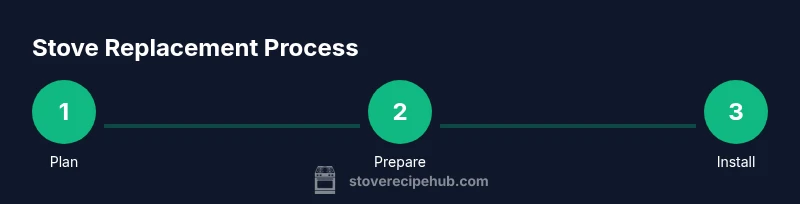
This section explains the high-level sequence of stove replacement. You’ll disconnect the old unit, verify the integrity of gas or electrical connections, prepare the cabinet opening, position the new stove, and secure it according to manufacturer guidelines. Ventilation and hood compatibility must be checked, and any required wiring or gas line adjustments should follow local codes. The goal is a secure, level installation with no leaks or loose components. Although the steps are straightforward in theory, professional guidance is recommended for gas or electrical work to ensure safety.
Post-Install Checks and Testing
After installation, perform a thorough check. Verify burner ignition and control operation, and test the oven with a light bake cycle. For gas stoves, apply a soap-and-water test to all joints to detect leaks; for electric stoves, inspect the plug, outlet, and cord integrity. Ensure the appliance sits level and that the ventilation system is drawing properly. Check gaps around the unit and adjust as needed. If anything seems off, power down, recheck connections, and consult the installation manual. A careful post-install test confirms safe, reliable operation.
Potential Pitfalls and How to Avoid Them
Common mistakes include choosing an incompatible fuel type, underestimating required clearances, and skipping permits or inspections. Rushing the gas or electrical work is a frequent hazard. Always verify model specifications against your existing space, ensure the vent hood is compatible, and follow local code requirements. Document all changes with photos for future maintenance. When in doubt, pause the project and seek professional help to avoid costly or dangerous outcomes.
Maintenance After Replacement
A new stove benefits from a simple maintenance routine. Clean burners and grates regularly to maintain efficient ignition and heat distribution. Check gas hoses for signs of wear and replace damaged components promptly. Vacuum vent hoods and filters to sustain proper airflow and reduce smoke buildup. Schedule annual inspections if you have gas lines or if the stove is heavily used. Keeping up with routine care extends appliance life and maintains safety.
Is DIY Right for You? When to Call a Professional
DIY stove replacement is feasible for many homeowners, but there are clear boundaries. If you will work with gas lines or high-voltage wiring, or if your space has structural changes, call a licensed professional. A pro can verify permits, perform leak tests, and ensure code compliance, which protects your home and family. The decision hinges on your comfort level with disconnections, reconnections, and following safety protocols.
Authority Sources
For further reading on safety and installation standards, consult official guidance from reputable sources. These references provide general safety principles and regulatory context that support a careful, code-compliant approach to stove replacement. They are not substitutes for professional service where required.
Tools & Materials
- Adjustable wrench(For loosening and tightening connections on gas lines and fittings)
- Screwdrivers (Phillips and flathead)(Various sizes for mounting hardware)
- Pliers (needle-nose and channel-lock)(Grip hoses and small components)
- Measuring tape(Accurate space measurement (width, depth, height))
- Level(Ensure stove sits perfectly level)
- Non-contact voltage tester(Verify power is off before handling electrical components)
- Gas shut-off tool or valve key(Shut off gas supply safely)
- Gas-rated sealant or thread sealant(For approved gas connections)
- Flexible gas connector (if allowed by code)(Only if code permits and size matches unit)
- Fire extinguisher (Class ABC)(Keep within reach during installation)
- Flashlight or headlamp(Illumination in cabinet and under appliances)
- New appliance installation manual(Factory guidelines trump general advice)
- Sponge and rags(Clean up spills and bonding material)
Steps
Estimated time: 2-6 hours
- 1
Prepare the workspace and plan
Clear the area around the stove, remove nearby items, and lay down a protective sheet. Review the installation manual and confirm space measurements align with the new model. Create a checklist to track progress and safety checks.
Tip: Take photos of current connections before disassembly to aid reinstallation. - 2
Shut off power and utilities
Turn off the circuit breaker for electric stoves and close the gas shut-off valve. Confirm with a non-contact tester that no live voltage remains near outlets or controls.
Tip: Label the circuit and gas valve for quick future reference. - 3
Disconnect the old stove
Carefully detach the power cord or gas supply line from the old unit. Remove screws securing the stove to the cabinet and slide the appliance forward slowly to avoid damage.
Tip: Have a helper assist with movement to prevent tipping. - 4
Inspect and prepare connections
Check gas hoses, flex lines, and electrical outlet; replace worn components and ensure venting is clear. Prepare the cabinet opening to match the new unit's cutout, adding shim or trim as needed.
Tip: Do not reuse damaged hoses or cords. - 5
Position the new stove
Carefully slide the new appliance into place, align with cabinet openings, and check for levelness. Secure mounting screws as per manufacturer instructions and ensure knuckles don’t rub against walls.
Tip: Double-check clearance around back and sides before final tightening. - 6
Connect gas or electricity
Attach gas supply with approved connectors and sealants per code. For electric stoves, plug into a dedicated outlet or hardwire as required by the model and local regulations.
Tip: Tighten connections hand-tight, then snug with appropriate wrench—do not overtighten. - 7
Test and check for leaks or faults
Turn on utilities and test burners and oven. Use a soap solution on joints to check for gas leaks, and perform a basic oven bake test to confirm heating.
Tip: If you detect any leak odor, shut off and call a professional immediately. - 8
Finalize and clean up
Level the appliance, reinstall any vent hood components, and clean the work area. Review the installation against the manufacturer’s safety checklist and store manuals for future reference.
Tip: Keep all old hardware in labeled bags for reassembly if needed.
Common Questions
Is stove replacement a DIY project?
Stove replacement is feasible for confident DIYers who understand gas and electrical safety. Gas line work and major electrical rewiring often require a licensed professional and permits.
Yes, but gas and electrical parts usually need a pro if you're unsure.
Do I need permits for stove replacement?
Permits vary by location. Check local building codes for gas line modifications and electrical changes; some jurisdictions require inspections after installation.
Permits depend on your area; check local codes before starting.
Can I reuse my existing gas line or outlet with a new stove?
Reusing parts is possible only if they meet the new stove’s specifications and code requirements. Damaged hoses or improper sizing should be replaced professionally.
Only reuse components if they meet the new stove’s specs and code.
What are signs that a stove installation is unsafe?
Gas leaks, burning smells, sparking cords, improper venting, or an uneven stove indicate immediate issues requiring shutdown and professional help.
Gas smells or sparks mean stop and call a pro now.
How long does stove replacement typically take?
A straightforward replacement can take a couple of hours for experienced DIYers; more complex gas or cabinet changes can take longer.
Most replacements take a few hours, depending on complexity.
Watch Video
Top Takeaways
- Plan before purchasing to prevent layout issues.
- Verify fuel type and clearance for safety and efficiency.
- Test all connections and leaks after installation.
- Know when to call a pro for gas or electrical work.