Is a Gas Stove Hard to Install? A Practical Guide
Explore whether a gas stove installation is hard, what factors affect difficulty, and when to DIY vs. hire a pro. Learn safety checks, required tools, and post-install maintenance with clear steps and tips from Stove Recipe Hub.


Is a gas stove hard to install? The difficulty hinges on local codes, your gas line readiness, and whether you’re doing it yourself or hiring a pro. In most homes, basic setup (unboxing, leveling, securing the appliance, and basic gas shutoff familiarity) is DIY-friendly, but connections to the gas supply and venting typically require a licensed technician. Plan accordingly.
Is a gas stove hard to install? Key factors that influence difficulty
If you’re wondering, is a gas stove hard to install, the answer varies based on your home’s gas infrastructure, existing hookups, and the local building codes. In homes that already have a compatible gas line, shut-off valve, and a venting setup, the mechanical task of placing the unit, leveling it, and connecting a basic gas supply can be manageable for a confident DIYer. But many jurisdictions treat gas connections as a regulated trade, requiring permits and professional verification. The Stove Recipe Hub team emphasizes safety and code compliance: a seemingly simple install can become dangerous if gas leaks, improper venting, or incorrect appliance clearances are allowed to persist. Plan a careful workflow: verify the gas line sizing, check the shut-off accessibility, confirm carbon monoxide detectors are present, and choose a stove with the correct fuel type. Remember, this is not just about plugging in an appliance—it’s about sealing gas connections, ensuring exhaust clearance, and protecting your family from potential leaks. According to Stove Recipe Hub, thorough preparation reduces the risk of costly mistakes.
Local codes, permits, and safety: what you must follow
Local codes dictate whether a gas stove installation requires permits, inspections, or licensed work. Before you begin, check with your city or county building department and your gas utility for required permits, ventilation requirements, and any appliance-specific clearances. Carbon monoxide detectors should be installed in the kitchen and adjacent rooms, and detectors must be tested after installation. Following codes isn’t just a box to check—it protects your home from leaks, fire hazards, and improper venting. The Stove Recipe Hub perspective emphasizes that compliance reduces risk and speeds up future resale or inspections. If in doubt, schedule a pre-inspection with a licensed technician to confirm that your setup meets current standards.
Assessing your existing setup: gas line, shut-off, and venting
Evaluate whether your home already has a compatible gas line and an accessible shut-off valve. Inspect the shut-off location to confirm it’s within reach and clearly labeled. Check that the venting path is unobstructed and that there’s adequate clearance above the stove for safe exhaust. If the stove will use a different fuel type than the existing line (e.g., converting from natural gas to propane), a professional assessment is essential. The venting system should route exhaust to a safe outdoor path, and any existing ductwork should be clean and unobstructed. A correct assessment saves time, reduces trial-and-error, and minimizes the chance of leaks after installation. The Stove Recipe Hub guidance encourages you to document measurements and keep a simple diagram for reference during install.
DIY vs. professional installation: where to draw the line
Some setup elements can be DIY-friendly, such as unboxing, leveling, and securing the appliance. However, gas connections, major venting alterations, and any work on the gas supply should be performed by a licensed professional. Attempting to modify gas lines without proper training can lead to leaks, fires, or carbon monoxide exposure. If you’re unsure about the gas-supply integrity or local code requirements, consider hiring a pro to avoid costly mistakes. The Stove Recipe Hub team notes that engaging a licensed installer for gas work is a prudent safety choice for most households.
Tools, materials, and what to avoid
Preparing a well-curated toolkit reduces installation time and mistakes. Essential items include a gas-rated flexible connector, an adjustable wrench, a pipe wrench, Teflon tape rated for gas, soap solution for leak testing, a level, and a flashlight. Avoid non-gas-rated hoses, improvised adapters, or sealing compounds not approved for gas systems. Using the wrong materials can cause leaks or incompatibility with your shut-off valve. The safety-first mindset highlighted by Stove Recipe Hub means you should verify all components are rated for gas use and appropriate for your stove model.
Step-by-step overview: what happens during installation
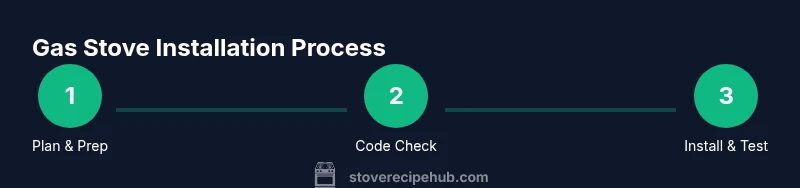
A high-level view of the process includes verifying codes, preparing the workspace, moving and aligning the stove, connecting the gas supply with proper fittings, testing connections for leaks, ensuring venting is attached and functional, and performing final safety checks. Detailed step-by-step instructions are provided in the separate STEP-BY-STEP section to avoid duplication. This overview prepares you for what to expect and how long the process typically takes. The Stove Recipe Hub approach emphasizes planning, tool readiness, and safety checks at every stage.
Safety checks and post-install tests
After connections are made, perform leak testing with a soap solution on all joints or use a calibrated gas detector. Turn on the gas supply gradually and listen for hissing sounds that indicate a leak. Check for adequate ventilation and verify that the range hood or vent system operates correctly. Carbon monoxide detectors should be tested and placed in appropriate locations near the kitchen. The post-install checks are critical for confirming a safe and code-compliant installation. The Stove Recipe Hub guidance prioritizes verification and early detection of issues.
Common mistakes and how to prevent them
Common mistakes include skipping permits, using non-rated fittings, failing to check gas leaks, and neglecting venting requirements. Prevent these mistakes by creating a pre-install checklist, using only rated components, and scheduling a final code-compliance review. If you’ve never worked with gas connections, don’t rush the process; take time to verify each connection and test thoroughly. This approach aligns with Stove Recipe Hub’s safety-first philosophy.
Maintenance after installation: keeping it safe and efficient
Ongoing maintenance reduces risk and prolongs appliance life. Regularly inspect connections for signs of wear, clean the burners, and ensure the vent system remains clear. Schedule periodic professional inspections for gas appliances, especially if you notice a change in burner flame color, unusual odors, or backfiring. Maintaining detectors and keeping a log of service visits helps ensure long-term safety and efficiency. The Stove Recipe Hub guidance emphasizes proactive maintenance as part of responsible stove ownership.
Quick-start checklist for first-timers
Use this concise list to begin confidently:
- Confirm local code requirements and permits
- Inspect gas line, shut-off valve, and venting path
- Gather approved gas-rated tools and fittings
- Verify proper clearances and leveling
- Perform a controlled leak test after connections
- Test venting and hood operation
- Keep detectors active and within reach
Tools & Materials
- Gas-rated flexible connector(Choose the correct length and solid fittings to match your stove and shut-off valve.)
- Adjustable wrench(Needed to tighten connectors without damaging fittings.)
- Pipe wrench(Use for stubborn fittings and to ensure solid grip.)
- Teflon tape (gas-rated)(Wrap threads to create a gas-approved seal.)
- Soap solution or gas leak detector(Used to confirm leaks after installation.)
- Level(Ensures the stove sits evenly for safe operation.)
- Screwdrivers (flathead and Phillips)(For securing mounting brackets or trim pieces.)
- Carbon monoxide detector(Recommended for kitchen area as a safety measure.)
Steps
Estimated time: 60-120 minutes
- 1
Verify local codes and permits
Check your city or county requirements before starting. Confirm whether a permit is required and whether an inspection will be scheduled after installation.
Tip: Call the local building department to verify current rules before buying materials. - 2
Prepare the workspace
Clear the area, remove the old appliance if needed, and ensure there is enough clearance for venting and gas line access.
Tip: Protect nearby surfaces from tools and solvents to prevent damage. - 3
Turn off utilities and test shut-off
Shut off the gas at the main valve and test the existing shut-off for accessibility. Do not proceed if you cannot reach a secure shut-off.
Tip: Know the location of the main gas shut-off in case of emergency. - 4
Move and level the stove
Carefully move the stove into place, verify level, and secure the mounting hardware per the manufacturer’s instructions.
Tip: A small adjustment can prevent uneven burner performance. - 5
Connect the gas line
Attach the gas-rated connector to the stove inlet and the shut-off valve using proper fittings. Tighten by hand and then snug with a wrench.
Tip: Do not over-tighten; overtightening can damage threads. - 6
Check for leaks
Apply a soap solution to joints and connections, then slowly turn on gas to watch for bubbles indicating leaks.
Tip: If bubbles appear, tighten connections and re-test until no bubbles form. - 7
Test venting and operation
Power up the stove, test burners, and ensure the vent/hood system clears cooking fumes effectively.
Tip: Run the hood on high for a few minutes to verify proper airflow.
Common Questions
Do I need a permit to install a gas stove?
Most jurisdictions require a permit for gas appliance installation and an inspection after work. Check your local codes before starting.
Most places require a permit and inspection for gas stove installation.
Can I install a gas stove myself if I have gas line access?
Basic placement and leveling are often DIY-friendly, but gas-line work should be performed by a licensed professional to prevent leaks and ensure code compliance.
Gas-line work is best left to a licensed professional to ensure safety.
What should I do if I smell gas after installation?
If you smell gas, leave the area immediately and call your gas utility or emergency services. Do not operate switches or appliances.
If you smell gas, leave immediately and call for help.
How long does a typical installation take?
A basic setup may take an hour or two, while gas-line work or venting modifications can take longer, depending on code approvals.
Expect a few hours for more complex installs.
Can I install a gas stove on a wooden countertop?
Yes, but you must maintain safe clearance, use heat-resistant materials, and follow manufacturer guidelines for mounting and ventilation.
Wood countertops can be safe with proper clearances and venting.
Watch Video
Top Takeaways
- Is a gas stove hard to install? Factor in codes, gas line readiness, and venting.
- DIY-safe steps exist; gas-line work usually requires a licensed pro.
- Always test for leaks and verify proper ventilation after install.
- Maintain detectors and schedule periodic professional checks.