Lining Chimneys for Wood Stoves: A Practical Guide
Learn how to line a chimney for a wood burning stove, including when to install a liner, choosing materials, safety steps, and maintenance tips for safer, efficient operation.


Lining a chimney for a wood-burning stove reduces creosote buildup, improves draft, and boosts safety. Start by assessing the flue and selecting the correct liner material, then consult a licensed professional for installation. See our detailed guide for step-by-step instructions.
Why lining chimney matters
According to Stove Recipe Hub, lining a chimney for a wood burning stove is not optional—it's a core safety feature and a key factor in vent performance. A dedicated liner provides a smooth, corrosion-resistant path for exhaust, protecting brick, clay tile, and mortar from the heat and moisture produced by wood fires. When a liner is absent or poorly sized, creosote can cling to rough surfaces and moisture can wick into porous masonry, accelerating deterioration and increasing the risk of chimney fires or carbon monoxide intrusion. A proper liner also improves draft by reducing turbulence at the entrance of the flue, which helps your stove draw air more reliably, especially on windy days or when the fireplace is located high above the stove. For homeowners upgrading an older chimney, or converting from an open masonry flue to a sealed stove system, lining is often the simplest way to harmonize performance with safety standards. This section will outline the core reasons to line, the impact on efficiency, and how the choice of liner interacts with stove type and chimney height. The goal is to help you understand why a liner matters before you shop for materials or schedule an installation.
Types of chimney linings: metal, clay, and cementitious options
There are several common lining options for wood stove chimneys, each with its own performance profile. Metal liners, especially stainless steel, are popular because they resist corrosion and adapt to irregular flue shapes. Rigid metal liners deliver a smooth, consistent surface, while flexible metal liners can navigate bends more easily. Clay tile and cementitious liners are installed within the existing masonry chimney and can be cost-effective when they are in good condition, but they require careful assessment of cracking, moisture, and blockages. Cementitious liners, when properly installed, offer durable performance but may demand specialized mixing and curing procedures. When choosing a liner, think about chimney height, diameter, the stove’s draft needs, and how you'll use the space (seasonal vs year-round). Remember: the right liner should match the existing flue size and comply with local building codes, manufacturer instructions, and safety standards. Stove Recipe Hub recommends consulting a professional for precise sizing and installation guidelines.
Sizing and compatibility: how to select the right liner for your chimney
Sizing is critical for performance and safety. Begin by measuring the flue diameter at several points to confirm a consistent size, then choose a liner with an outer diameter that fits snugly inside the flue while leaving room for joints and insulation. If the existing flue is narrow, a smaller-diameter liner may be required, but never force a liner through a flue that’s too tight. Calculate the liner length needed to run from the stove connection to the top of the flue, including any required drops for slope and ensure you have a proper length to reach the chimney cap without excess slack. Insulation is another key factor: many systems use a double-wall liner with high-temperature insulation to prevent heat transfer to surrounding masonry. Finally, verify compatibility with your stove model and any manufacturer or code requirements for clearances, vent connections, and support brackets. By aligning liner size with the chimney’s actual dimensions, you reduce the risk of leaks, backdrafts, and creosote buildup.
Preparation: safety, permits, and inspection before lining
Preparation is as important as the liner choice. Before you begin, check for structural damage to the chimney, moisture intrusion, or creosote buildup that exceeds safe limits. Some jurisdictions require permits or inspections for chimney work, so contact your local building authority to confirm requirements. Schedule a professional chimney inspection if you’re unsure about the flue’s integrity or past fire damage. Clear the area around the hearth, cover floors to protect against soot, and prepare your work area with adequate lighting and ventilation. Gather all required tools and materials, and read the liner manufacturer's installation manual in advance. Safety gear—goggles, gloves, and a respirator or dust mask—is essential due to soot and dust. If you smell gas, detect signs of a leak around the fireplace, or see loose bricks, halt work and seek professional assessment.
Installation approaches: DIY vs professional installation considerations
Lining a chimney can be done by a skilled DIYer, but installation is technically demanding and has significant safety implications. Improper sizing, poor joint sealing, or incorrect routing can cause leaks, creosote buildup, or dangerous backdrafts. Most homeowners benefit from hiring a professional installer who is trained to handle chimney assessment, liner selection, and code compliance. If you pursue a DIY route, ensure you have the right equipment, follow the liner manufacturer’s instructions, and coordinate with a certified chimney sweep or licensed contractor for final inspection. Always prioritize safety and code compliance over speed or cost savings. Professionals can also help with creating a maintenance plan to ensure long-term performance.
Maintenance and safety after installation: keeping the liner effective
After lining, establish a routine maintenance plan. Schedule annual chimney inspections, cleanings as needed, and a creosote removal schedule based on usage. A liner helps with easier cleaning, but it’s not maintenance-free—creosote can still accumulate on the interior surfaces if the stove is overfired or run too hot. Check joints and supports periodically for signs of loosening or damage, and verify that the exterior chase is sealed against moisture ingress. Keep an eye on draft behavior: if you notice smoke spillage or lazy flames, it may indicate an issue with liner fit, insulation, or cap integrity. A properly installed liner typically improves performance and safety, but it requires ongoing attention to stay effective.
Cost considerations and timelines: what to expect when lining a chimney
Costs for lining a chimney vary widely depending on chimney height, diameter, liner type, and whether scaffolding or a chimney sweep is needed. Metal liners tend to be more expensive upfront but offer flexible installation and excellent durability, while clay tile liners may be cheaper in some cases but require masonry assessment. Installation timelines can range from a single day for straightforward jobs to several days for complex setups or larger homes. As you plan, budget for materials, labor, inspection, and potential permits. Tracking these elements in advance helps avoid surprise expenses and ensures a smoother process. When paired with proper maintenance, a quality liner can improve heating efficiency and reduce the risk of hazardous conditions—an investment Stove Recipe Hub sees as a crucial safety enhancement for any wood stove.
Common mistakes and how to avoid them
Avoid common errors that undermine liner performance. Do not force a liner into a flue that is too small, do not seal joints with inappropriate materials, and never neglect roof/cap protection which can lead to moisture ingress. Skipping an inspection or using a liner not rated for the chimney’s operating temperature can create dangerous conditions. Lastly, don’t mix liner systems with incompatible stove designs; always verify compatibility with the stove manufacturer’s specifications and relevant codes. By following best practices and seeking professional guidance when in doubt, you’ll maximize safety, draft reliability, and overall stove performance.
Tools & Materials
- Chimney liner kit (steel or stainless)(Includes liner, connectors, and supports sized to your chimney diameter)
- Measuring tape(For flue diameter and liner length)
- Tin snips or aviation snips(Cut metal liner to length)
- High-temperature foil tape(Seal joints per manufacturer instructions)
- Rigid or flexible chimney rods/install kit(To feed liner through the flue)
- Safety gear (goggles, gloves, dust mask)(Protects during installation)
- Vacuum with HEPA filter(For soot cleanup and dust control)
- Chimney brush(Use before lining to remove creosote and debris)
- Flashlight or headlamp(Illumination inside the flue during work)
Steps
Estimated time: 6-12 hours
- 1
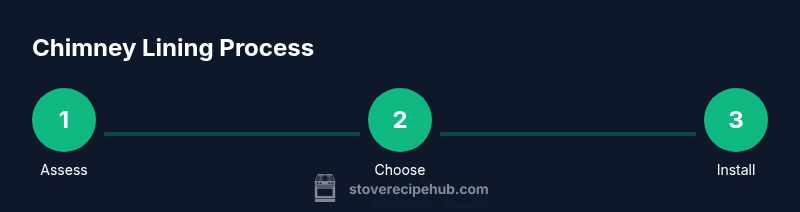
Assess the flue and codes
Begin with a thorough assessment of the existing chimney. Check flue condition, look for cracks or moisture, and confirm that local codes permit liner installation. Document dimensions and any repairs needed before proceeding.
Tip: If you find structural damage or severe moisture, stop and consult a professional before continuing. - 2
Choose liner type and size
Select a liner material (steel is common for metal liners; clay tile for masonry). Verify inner diameter, flow path, and insulation needs. Ensure the liner length accounts for top terminations and bottom stove connections.
Tip: Always follow the liner manufacturer’s sizing guidelines and code requirements. - 3
Prepare the work area and gather tools
Clear the area, protect floors, and assemble tools. Verify you have measuring tools, cutting tools, fasteners, and safety gear ready before you begin.
Tip: Have a partner assist; feeding a liner through a long, vertical flue can be strenuous. - 4
Install the liner
Feed the liner from the top down (or per kit instructions), align joints, secure with supports, and maintain a smooth, straight run to avoid folds that trap creosote. Seal joints with high-temperature tape or mastic as directed.
Tip: Do not kink the liner or create sharp bends that could restrict exhaust flow. - 5
Seal, test, and verify
Seal all joints, perform a smoke test or draft test, and check for air leaks. Confirm there is no backdraft and that the piping remains stable under stove operation.
Tip: If you see smoke escaping at joints, re-seal and re-test before continuing. - 6
Finalize and plan maintenance
Install cap/terminations, re-check clearances, and create a maintenance schedule. Schedule an inspection after the first season of use and again after heavy heating cycles.
Tip: Document the liner type and installation date for future references.
Common Questions
Do I need a professional to line a chimney?
In most cases, yes. Lining a chimney involves structural assessment, sizing, and code compliance to prevent unsafe conditions.
Yes. This is usually best done by a licensed professional to ensure safety and code compliance.
What types of chimney liners are available?
Common options include metal liners (rigid or flexible) and clay tile liners. Each has advantages depending on the chimney’s condition and the stove’s requirements.
Metal or clay tile liners are common; choose based on chimney condition and local codes.
How do I know what diameter liner to use?
Measure the flue diameter at multiple points to verify a consistent size, then select a liner that fits snugly with proper insulation and joints.
Measure the flue, then follow manufacturer sizing to pick the right liner.
Is lining worth the cost?
For safety and efficiency, lining is generally worth the investment, especially for aging chimneys or high-use stoves. Costs vary by liner type and chimney height.
Yes, the safety and efficiency benefits usually justify the cost.
How often should a lined chimney be inspected?
Have an annual professional inspection, with more frequent checkups for heavy use or if you notice drafts or smoke spillage.
Inspect at least once a year, more often if usage is high.
Can I install a chimney liner myself?
DIY installation is possible for experienced homeowners, but it carries safety risks and code requirements. If in doubt, hire a professional.
DIY is possible for experienced folks, but safety and codes matter—consult a pro if unsure.
Watch Video
Top Takeaways
- Assess the flue integrity before lining
- Choose liner type based on chimney condition and code compliance
- Size liner to match flue diameter and length
- Hire a professional when in doubt about safety or codes
- Establish a maintenance plan after installation