Pellet Stove Flame is Too High: Troubleshooting Guide
Learn how to diagnose and fix a pellet stove flame that is too high. Quick checks, safe remedies, and prevention tips to restore safe, efficient burning.


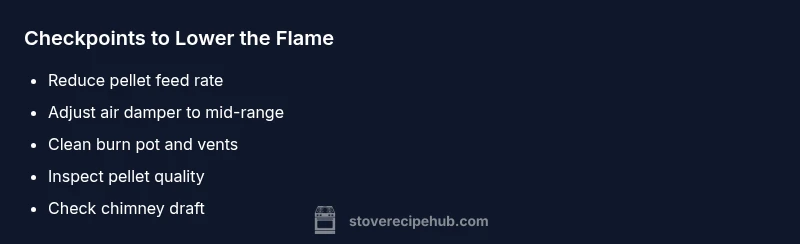
A pellet stove flame that is too high is usually caused by excessive fuel feed, an overly open air intake, or a dirty burn pot. Start by closing the air damper to a mid setting and reducing the feed rate, then clean the burn pot and empty ash buildup. If the problem persists, inspect the chimney draft and pellet quality before calling a tech.
Understanding Why the Pellet Stove Flame is Too High
When the flame inside a pellet stove rises higher than normal, it can signal a few different issues. A high flame can waste fuel, create excess creosote, and raise the risk of chimney smoke and backdrafts. For home cooks and DIY enthusiasts, diagnosing the root cause quickly means prioritizing safety and predictable combustion. In many cases, the flame height is a response to air, fuel, or cleanliness conditions rather than a single malfunction. The keyword pellet stove flame is too high often shows up in service inquiries, and understanding the balance between the air supply and fuel feed is key. This guide, drawing on Stove Recipe Hub analyses, will help you identify likely causes and practical fixes without unnecessary gear or tools.
Common Causes of a High Flame on a Pellet Stove
A flame that won’t quiet down can stem from several factors working together or separately. Common culprits include an obstructed or misadjusted air intake damper, an overly aggressive feed rate, dirty burn pot or ash buildup, incorrect pellet quality (moisture content or fines), and draft issues in the venting or chimney. High flames can also occur if the burn pot is damaged or if the regulator that controls pellet flow is failing. Understanding these causes helps you tackle the problem in a logical order rather than guessing. The most frequent issue is too much air or too much fuel, which is why we start with simple airflow and feed checks.
Quick Pre-Checks: Before You Adjust Anything
Safety first: ensure the stove is cool before touching any components. Confirm the room is well-ventilated and there is no gas smell. Remove loose debris around the exterior vents and clean nearby surfaces that may trap dust. Note the ignition status, flame color, and any unusual noises. If you notice smoke during startup or high heat near the glass, stop and contact a professional. These quick checks prevent unnecessary disassembly and minimize the risk of accidental burns or accidental fuel ignition.
Adjusting the Air Intake and Feed System Safely
If you suspect the air intake is too open, gradually adjust the damper toward a mid-range position and monitor the flame height over several minutes. Reduce the pellet feed rate incrementally if your model allows adjustable feeding; avoid abrupt changes. After adjustments, recheck the flame height and pellet consumption. If the flame remains excessively high, verify that the sensors and control board are functioning properly and that no wiring damage exists. Always consult your manual for exact damper ranges and feed-rate limits.
Tip: Make small adjustments, wait 5–10 minutes to observe the result, then adjust again if needed. Document each change so you can revert if necessary.
Cleanliness and Maintenance: Burn Pot, Vent, and Chimney
Clogged burn pots, ash buildup, or blocked vents can force the stove to burn hotter. Regularly clean the burn pot, ash tray, and stove interior, and vacuum the air intake and exhaust pathways. Check the exhaust vent for obstructions and ensure gaskets are intact to avoid leaks. A dirty system often masquerades as an airflow problem, so cleaning and deodorizing the interior can restore normal flame height. If buildup is excessive, a thorough cooldown and maintenance session may be required.
Fuel Quality and Stove Settings: How Pellets Impact Flame
Pellets with high moisture content or inconsistent sizing can burn inefficiently, causing a taller flame and more ash. Always use quality pellets recommended by the stove manufacturer and store them in a dry environment. If you notice pellets that crumble or produce a lot of fines, switch brands or batches. Additionally, ensure your stove settings—particularly the burn rate and combustion air—match the pellet type. Poor pellet quality is a common, addressable cause of persistent high flames.
When to Seek Professional Help
If you have tried the common fixes and the flame remains high, there may be an underlying issue with the control system, sensor calibration, or a damaged component. Do not force components that resist movement or attempt to bypass safety interlocks. A qualified technician can diagnose electrical faults, verify sensor readings, inspect the heat exchanger for cracks, and check venting integrity. Regular servicing is essential for long-term safety and efficiency.
Prevention Tips to Avoid a Reoccurring High Flame
Create a simple maintenance calendar: weekly quick cleanings, monthly deeper cleanings, and seasonal professional inspections. Use only approved pellets, keep the ash pan empty, and regularly inspect gaskets for wear. Store pellets in a dry environment and avoid introducing moisture. A consistent maintenance habit reduces the likelihood of high flames and extends the life of your pellet stove.
Steps
Estimated time: 45-60 minutes
- 1
Safety check and power down
Turn off the stove, unplug if applicable, and allow it to cool completely. Check for gas smells or other hazards in the area and ensure the room is well-ventilated.
Tip: Always wear heat-resistant gloves when handling components. - 2
Lower the feed rate
Access the feed rate control and reduce to the minimum safe setting for your model. Observe flame height for 5–10 minutes before making further changes.
Tip: Make small, incremental changes to avoid overcorrecting. - 3
Dial in the air intake
Gently close the air damper to halfway, then fine-tune toward a mid-range setting based on flame response.
Tip: Document the damper position for future reference. - 4
Clean internal components
Remove and clean the burn pot, ash tray, and accessible vents. Vacuum dust from blowers and heat exchanger areas.
Tip: A clean system improves airflow and burn efficiency. - 5
Check fuel quality
Inspect pellets for moisture, dust, or fines. Use manufacturer-approved pellets and store them dry.
Tip: Poor pellets can masquerade as airflow issues. - 6
Test combustion and restart
Re-light the stove and run in normal mode. Check flame height over a full cycle and adjust if needed.
Tip: If the flame stays high, avoid running at unsafe settings. - 7
Inspect venting for drafts
Ensure the chimney or vent is clear and drawing properly. Look for backdraft indicators like smoke inside the room.
Tip: Backdrafts indicate draft problems that require attention.
Diagnosis: Pellet stove flame is too high
Possible Causes
- highOverly aggressive feed rate
- highAir intake damper set too open
- highBurn pot clogged with ash or debris
- mediumPoor pellet quality (moisture or fines)
- mediumChimney draft issues or backdraft
- lowFaulty regulator or sensor
Fixes
- easyReduce pellet feed rate to a lower setting and observe flame height over 10 minutes.
- easyTighten or adjust air intake damper to a mid-range position and recheck flame in intervals.
- easyClean burn pot, ash trap, and interior surfaces to remove obstructions.
- easyCheck pellet quality and switch to a dryer, higher-quality batch if needed.
- mediumInspect chimney vent for obstructions and verify proper draft; clear or repair as needed.
- hardIf sensor or regulator seems faulty, stop using the stove and call a qualified technician.
Common Questions
Why is my pellet stove flame taller than normal?
A taller flame usually means too much fuel relative to the available air, or an obstruction in the air path. Damper or feed settings may be misadjusted, and buildup in the burn pot or vents can amplify the issue. Cleaning and recalibrating settings often resolves it.
A tall flame usually means the stove isn’t balanced between air and fuel; check damper and feed rates and clean the burn area.
Is a high flame dangerous for my stove?
Yes, a consistently high flame can overheat components, produce more creosote, and increase the risk of backdraft. If flames exceed safe levels or cause smoking, shut down the stove and seek professional assistance.
A high flame can be dangerous because it overheats parts and increases creosote; if in doubt, turn it off and call a pro.
Can pellets with high moisture cause a high flame?
Yes. Wet or moisture-heavy pellets burn less efficiently and can cause a taller, hotter flame with more smoke. Switch to dry, low-moisture pellets recommended by the manufacturer.
Moist pellets can raise flame height because they burn less efficiently.
Should I adjust the flame during a typical burn cycle?
Minor adjustments are fine, but avoid aggressive changes mid-cycle. If you’re unsure, pause and consult the manual or a technician to prevent damage.
Tiny adjustments are okay, but big changes during a burn can be risky.
How often should I clean the burn pot and vents?
Clean the burn pot and accessible vents regularly as part of routine maintenance. A buildup can push the flame higher and reduce efficiency.
Regular cleaning keeps the flame stable and the stove efficient.
When should I call a professional?
If adjustments do not normalize flame, if you notice gas smells, unusual noises, or consistent malfunction, contact a licensed technician.
If it keeps burning high after basic checks, it’s time to call a pro.
Watch Video
Top Takeaways
- Lower the feed rate first
- Tune air intake gradually and observe results
- Regular cleaning prevents high flames
- Use high-quality pellets to reduce heat spikes
- Call a pro if sensors/controls seem faulty