Stove is Leaking Gas? Quick Troubleshooting Guide
Urgent guide to diagnosing and safely handling a stove is leaking gas. Learn immediate safety steps, common causes, diagnostic flow, and when to call licensed professionals for a gas leak repair.


This is urgent: if you smell gas or hear a hissing from the stove, evacuate immediately and call your gas utility’s emergency line. The most common causes of a stove is leaking gas are a worn or damaged hose, loose connections, or a faulty regulator. Do not attempt repairs yourself; shut off the gas supply only if safe and ventilate the area.
Understanding the Danger When the Stove is Leaking Gas
When the stove is leaking gas, time is of the essence. A whiff of gas or a noticeable hissing from the appliance signals a potentially life-threatening situation. According to Stove Recipe Hub, gas leaks demand immediate action to prevent fire or explosions. The gas that fuels your stove is colorless and odorized with a distinctive scent, but a leak can still occur without a strong odor if the gas system has a fault. In practice, the most dangerous leaks come from worn hoses, loose connections, or damaged regulators. Even a small pool of escaping gas can ignite if it comes into contact with a spark. Home cooks should treat any suspicion of a leak as an emergency, and evacuate to fresh air before you do anything else. Do not light a flame, switch on lights, or create sparks. Ventilate the area by opening doors and windows only after you have moved to safety. If the stove is leaking gas, immediate action is required. This is not a problem you should solve with DIY trials; professional evaluation is required. Keeping calm helps you communicate clearly with responders and prevents a panic that could lead to accidents.
Common Causes of Gas Leaks on the Stove
Gas leaks on stoves can stem from several common issues. A worn or damaged gas hose is a frequent culprit, especially if the hose has become brittle or cracked from age. Loose connections at the manifold or supply line also allow escaping gas to seep into the kitchen. A faulty regulator can fail to maintain proper pressure, leading to leaks at the inlet or outlet. Cracked or corroded gas lines or manifolds are serious hazards requiring a professional. Damaged burners or valves during cleaning can introduce openings through which gas escapes. Finally, improper installation or recently performed repairs can leave gaps that create leaks. Regular maintenance and careful observation help catch these early. If you notice a change in burner performance, a hissing sound, or the faint odor of gas, treat it as a leak and follow safety steps immediately.
Immediate Safety Steps You Must Take
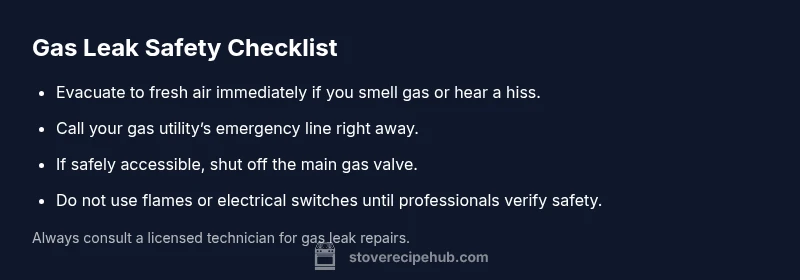
If you suspect a gas leak, prioritize safety above all else. Evacuate everyone from the area and move to fresh air, avoiding any flames, sparks, or electrical switches that could ignite vapors. Do not attempt to light a match or turn on/off lights or appliances. If it is safe and you can access it quickly, shut off the main gas valve to stop further leakage, then ventilate the space by opening exterior doors and windows. Call your gas utility’s emergency line or 911 from a safe location. Do not re-enter the residence until responders declare the area safe. After you are safe, document any signs of damage and inform the technician about prior repairs or changes to the appliance. Remember, professional responders are trained to locate and seal leaks with proper equipment.
Diagnostic Flow: Symptom to Diagnosis
Symptom: You smell gas, hear hissing, or notice a persistent gas odor around the stove. Diagnosis often starts with a quick visual check of hoses, fittings, and the regulator. Causes (likelihood):
- Loose or damaged gas hose/connectors — high
- Faulty regulator — medium
- Cracked gas line or manifold — low
- Improper installation or recent repairs — low Fixes (difficulty):
- Turn off gas supply if safe; ventilate the area — easy
- Do not attempt DIY repairs; contact a licensed gas technician — easy
- Have a professional perform leak detection and tighten/replace connections — easy
- Replace worn hoses/regulator as recommended by the technician — easy
Step-by-Step: Quick Fix for the Most Common Cause
- Stop using the stove and move to a safe area; do not operate any electrical switches or flames. 2) If safe, turn off the main gas valve to stop the leak and open exterior doors/windows for ventilation. 3) Do not attempt to tighten or replace gas components unless you are a trained professional. 4) Call your gas utility’s emergency line or a licensed gas technician for an on-site inspection. 5) After repairs, request a leak test and confirmation that all fittings are secure. 6) Replace any worn hoses or regulators as advised and schedule a follow-up check. Tip: Keep a written record of safety steps and technician visits for future reference.
Prevention and Maintenance Tips to Avoid Future Leaks
Preventing gas leaks starts with regular maintenance and mindful operation. Inspect hoses for cracks, bulges, or stiffness at least annually and replace any worn parts promptly. Ensure all connections at the manifold and supply line are snug but not overtight. Use compatible regulators and hoses specified by the stove manufacturer. Keep the area around the stove clear of combustibles and avoid placing heavy objects on hoses. Consider installing a gas leak detector near the kitchen for early warning and have a scheduled professional inspection every 1–2 years, especially after moving or replacing the appliance. Small preventive measures save big risks later.
What to Expect When Pros Arrive
When licensed professionals arrive, they will perform a thorough leak test using appropriate equipment, inspect hoses, regulators, and the manifold, and identify the exact leak source. They may replace damaged hoses, tighten connections, or install a new regulator as needed. Expect a controlled shutoff, a safety assessment of the entire gas line, and a clear explanation of what parts were replaced. If the issue involved installation or a recent repair, the technician will verify that the system meets safety standards before restoring operation. After service, request documentation of the work and a follow-up leak test to ensure long-term safety.
Steps
Estimated time: 15-60 minutes
- 1
Stop and evacuate
If you detect gas odor or hear a hiss, stop using the stove and move everyone to fresh air immediately. Do not use flames or electrical devices that could spark. Once outside, call for help.
Tip: Keep a clear path to the exit and avoid re-entry. - 2
Assess accessibility of the gas shutoff
If you can reach the main gas shutoff safely, turn it off to halt the leak. Do not stretch into unknown areas or re-enter the space while you are unsure about safety.
Tip: Only operate the shutoff if you can do so without entering a risky zone. - 3
Ventilate from a safe location
Open exterior doors and windows to disperse any accumulating gas after you are outside or in a safe spot. Avoid turning on fans inside the home as they could create sparks.
Tip: Ventilate only after you’ve reached fresh air. - 4
Call for professional help
Contact your gas utility’s emergency line or local fire department. Do not delay waiting for a leak to disappear; professionals will locate and seal the source safely.
Tip: Provide your address, symptoms, and any prior repairs. - 5
Await professional assessment
Do not attempt to relight or use the stove until a licensed technician confirms it is safe. They will perform leak testing and determine if hoses, regulators, or lines need replacement.
Tip: Ask for a written report and a follow-up check. - 6
Post-service checks and replacement
If a component was replaced, get guidance on maintenance intervals and inspect hoses for wear every 6–12 months. Schedule a routine check to prevent future leaks.
Tip: Keep maintenance records handy for future safety reviews.
Diagnosis: Gas smell or hissing around the stove
Possible Causes
- highLoose or damaged gas hose/connectors
- mediumFaulty regulator
- lowCracked gas line or manifold
- lowImproper installation or recent repairs
Fixes
- easyTurn off gas supply if safe; ventilate area and contact emergency line
- easyDo not attempt DIY repairs; call a licensed gas technician for inspection
- easyProfessional will perform a leak check and tighten/replace connections
- easyReplace worn hoses or regulators as advised by the technician
Common Questions
What are the immediate signs of a gas leak?
Common signs include a strong gas odor, a hissing sound near the stove, dying plants nearby, or a sudden need to clear the area. If you notice any of these, treat it as an emergency and evacuate.
Look for gas odor, a hiss, or unusual signs around the stove and move to safety immediately.
Can I test for leaks myself?
No. Testing for gas leaks requires specialized equipment and training. Do not attempt to locate or seal leaks yourself.
Don't try to test for leaks yourself; call a licensed technician immediately.
Should I shut off the gas supply?
If you can reach the main gas shutoff safely, do so to stop the flow. If not, evacuate and wait for professionals to handle the shutdown.
Only shut off gas if you can do it safely without re-entering the area.
What should I tell the technician?
Describe the exact signs you observed, the time it started, and any recent repairs or changes to the stove. This helps pinpoint the source quickly.
Tell the tech what you smelled, heard, and when it started.
Is it safe to stay in the home after a leak is stopped?
Only after professionals declare it safe. If there is any lingering odor or uncertainty, leave the premises and seek guidance from responders.
If unsure, leave the home and wait for the all-clear from authorities.
How can I prevent future gas leaks?
Regular inspections of hoses, regulators, and connections; replace worn parts; avoid DIY fixes; and consider installing a gas detector for early warnings.
Regular maintenance helps prevent leaks; replace worn parts and use detectors.
Watch Video
Top Takeaways
- Evacuate immediately on gas odor or hiss.
- Call emergency services; do not DIY a leak repair.
- Shut off gas only if safe and accessible.
- Have hoses, regulators, and lines inspected by a licensed professional.
- Install detectors and schedule regular maintenance.