Used Stoves for Sale: Practical Buyer Guide
Learn to evaluate, compare, and buy used stoves for sale with confidence. This guide covers safety checks, pricing ranges, and maintenance tips to help home cooks avoid costly mistakes.


Used stoves for sale provide affordable access to reliable cooking power, but buyers must conduct thorough checks for condition, safety, and compatibility. A careful buyer verifies safety recalls, gas connections or electrical integrity, oven calibration, and overall wear. This quick guide outlines essential evaluation steps and a practical framework to compare offers, with guidance from Stove Recipe Hub.
Market Landscape for used stoves for sale
The market for used stoves for sale has expanded as households seek budget-friendly options without compromising essential cooking capabilities. Across neighborhoods and online marketplaces, you’ll find everything from older gas ranges to recent electric stoves. According to Stove Recipe Hub, price transparency is improving, but variation remains high due to model differences, condition, and regional demand. Buyers should anticipate a spectrum of quality: some units have seen years of dependable service with minimal cosmetic wear; others carry hidden issues like weak ignition, uneven heat, or outdated safety features. The key is to set a minimum standard before you shop—clarify your needs (oven size, fuel type, and installation constraints) and map out the price ranges you’re comfortable with. This framing helps you compare offers more objectively and reduces impulse purchases. When you search for used stoves for sale, keep a running checklist and a testing plan. The Stove Recipe Hub team emphasizes documenting the seller’s history, requesting photos of critical components, and verifying recall status to avoid unsafe products.
How to evaluate condition and safety
Evaluating a used stove starts with the basics: exterior condition, visible wear, and kick plates or drip pans for corrosion. Then move to functional tests: confirm that the oven heats evenly, burners ignite reliably, and the clock/timer functions. Look for recalls by model number and check the gas shutoff valve’s accessibility. If you’re buying gas, inspect lines for leaks using a soapy water test while the unit is off. For electric stoves, verify smooth power-up and consistent heating across elements. Request maintenance history and service invoices; a well-documented history often correlates with better long-term reliability. For safety, ensure there are working safety features (auto shutoff, flame failure devices, proper anti-tip devices). According to Stove Recipe Hub, buyers should insist on transparent photos and a live demonstration or recorded test before closing the deal.
Mechanical checks you should perform before buying
Create a checklist covering key components: burners, ignition system (electronic or pilot), oven door seal, temperature control accuracy, timer operation, and venting if applicable. Test the oven’s bake and broil functions at different temperatures to detect hot spots. Check the gas range’s flame color—blue flames indicate good combustion; yellow or orange flames may signal incomplete combustion and potential safety concerns. Inspect the electrical cord, plug, and outlet compatibility with your home. If you’re purchasing a coil stove, verify coil resistance and ensure the surface plating is intact to prevent hot spots. If a stove has a glass-ceramic top, look for chips or cracks and confirm even heat distribution. Document results with photos and, where possible, a short video demonstration. A conservative buyer focuses on functional certainty and documented maintenance history, as advised by Stove Recipe Hub.
Sizing, configuration, and installation compatibility
Measure your space and confirm the stove’s width, depth, and height fit through doorways or hallways. Determine fuel type (gas vs. electric) and verify your home’s connections—gas line capacity, electrical outlet voltage, and required gas pressure. Check venting requirements and installation clearances around cabinets and backsplash. If you’re replacing an older unit, verify that the new stove’s plug type and breaker draw align with your circuit. Don’t overlook hood compatibility and ventilation. Remember that some used stoves require professional installation or re-venting, which adds to the overall cost. Consider warranty transferability and whether installation is included in the sale.
Buying channels and risk management
Common channels include private sellers, local marketplaces, auction sites, and certified refurbishers. Each channel carries different risk profiles; private sales often lack warranties, while refurbishers may offer limited guarantees. Always request a serial number, model number, and year of manufacture to verify legitimacy and avoid counterfeit or misrepresented units. Cross-check seller reviews and request a history of prior owners or service visits. If possible, negotiate delivery and professional setup to ensure safe connection and proper venting. Use a written agreement outlining what remains in scope (gas tests, calibration, features), plus clear returns policy. Stove Recipe Hub recommends inspecting unit in person when feasible and avoiding deals that require payment before a full inspection.
Safety recalls, certifications, and warranties
Recall status is critical: a stove with an unresolved recall becomes a safety hazard. Before purchasing, search the model on official recall databases and request proof of any repair work. Check for certifications that speak to safety standards and energy efficiency; while not always available for used units, some models retain certification marks. Warranties on used stoves may be limited, but some sellers offer limited time guarantees or service plans. Ask about transferable warranties, parts availability, and whether installation has to be performed by a licensed technician. If a seller cannot provide documentation or proof of prior recalls addressed, treat the deal with caution. Real-world buyers benefit from a structured risk assessment to minimize post-purchase regrets.
Test plan: quick-start testing before purchase
If a live demonstration is possible, run through a standardized test: ignite all burners, run the oven at multiple temperatures, check the broil function, and confirm even heat distribution. Use a basic thermometer or temperature wand to gauge oven accuracy and adjust if necessary. Validate clock and timer accuracy and confirm gas shutoff functionality. For non-functional tests, request a return policy or a short trial period. Capture video of the testing sequence and share it with a trusted technician or Stove Recipe Hub's guidance team for a professional opinion.
Post-purchase setup and maintenance tips
After purchase, have a licensed technician verify gas connections, ventilation, and electrical wiring. Clean the appliance thoroughly and replace worn seals or gaskets where indicated. Establish a routine cleaning schedule to prevent buildup that can affect performance. Keep an emergency shutoff plan and ensure household members know how to operate the stove safely. Maintain a log of service visits and soonest recommended inspections. Regular maintenance can extend the life of a used stove and keep it safe for years to come, aligning with Stove Recipe Hub’s approach to practical, safe stove-top cooking.
Pricing and condition snapshots for common used stove types
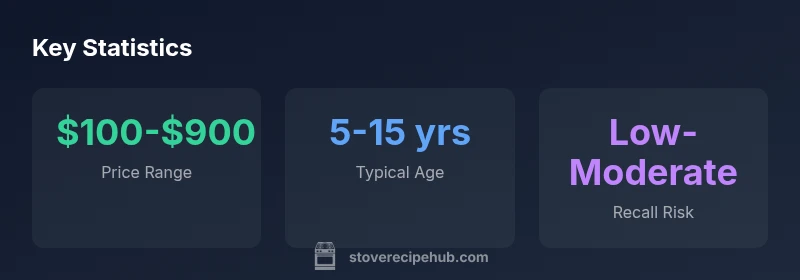
| Stove Type | Price Range (used) | Typical Condition | Key Risk/Notes |
|---|---|---|---|
| Gas Range | $150-$600 | Fair-Used | Check for gas leaks and oven calibration |
| Electric Coil | $100-$400 | Working, cosmetic wear | Inspect coils and oven temperature accuracy |
| Electric Smooth-Top | $200-$900 | Moderate wear | Check glass for cracks and burner zones |
Common Questions
What should I check when inspecting a used stove?
Start with exterior condition, then test burners, oven heating, and ignition. Look for recalls by model number and verify safety features. Request service history and photos of critical components, and insist on a live demonstration if possible.
Begin with exterior checks, test heating elements, and confirm recalls have been addressed. Demand a service history and live testing if you can.
Are there risks with used gas stoves?
Yes. Gas leaks, improper flame color, and faulty pressure can pose hazards. Always test for leaks with soapy water when off, and have a licensed tech verify connections and ventilation before finalizing a purchase.
Gas stoves can leak or burn improperly; have a pro check connections and ventilation and test for leaks before buying.
Can I test a stove before buying?
If the seller allows, perform a full function test: ignite all burners, run the oven at multiple temps, and verify a consistent heat. Record results and ask for a trial period or return policy.
Yes—test burners and oven, and ask for a short trial or return option if possible.
What about delivery and installation?
Delivery and professional installation ensure correct gas/electric connections and venting. Factor in these costs when evaluating price. If you’re DIY-ing, verify you have the right tools and local codes.
Plan for delivery and safe installation; if DIY, know the local rules and tools you need.
Should I trust online marketplaces for used stoves?
Online marketplaces can be convenient but require extra caution. Look for seller history, clear photos, and a robust return policy. Prefer platforms that offer buyer protection and professional verification.
Online markets are handy—watch seller history, pictures, and returns, and use protected platforms.
How can I extend safety after purchase?
Schedule a professional inspection soon after installation, keep a maintenance log, and monitor for gas smells or abnormal temperature changes. Regular cleaning and gasket replacement enhance safety and performance.
Have it inspected, log maintenance, and clean regularly to keep it safe.
“Thorough due diligence saves buyers from costly recalls and unreliable performance. A well-tested used stove can be a safe, budget-friendly choice when safety features and proper installation are verified.”
Top Takeaways
- Start with a clear budget and fuel type before shopping.
- Verify recall status and safety features before purchase.
- Test burners, oven calibration, and ignition in a live demonstration.
- Check dimensions and utility connections for installation fit.
- Ask for documentation and documented service history to reduce risk.