Vintage Stoves for Sale: A Practical Guide
Learn how to evaluate authenticity, safety, and restoration needs when shopping vintage stoves for sale. This Stove Recipe Hub guide covers buying tips, maintenance considerations, and trusted sourcing to help you choose characterful, reliable stoves.


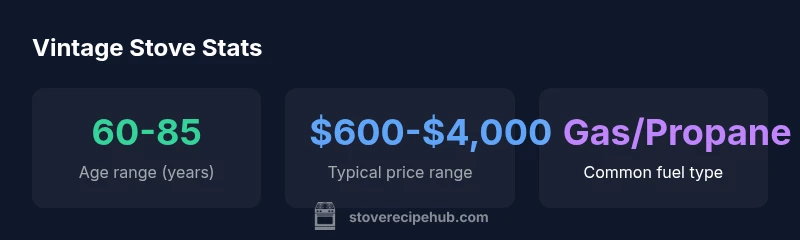
According to Stove Recipe Hub, vintage stoves for sale refer to pre-1970s or mid-century ranges preserved or refurbished for use today. Buying them requires evaluating authenticity, craftsmanship, and safety, then comparing models by fuel type, heat control, and spare‑part availability. This quick guide explains how to verify provenance, inspect burners and surfaces, and choose options that balance character with modern reliability.
Why vintage stoves for sale capture nostalgia and character
For many home cooks, vintage stoves for sale represent more than a kitchen appliance; they are tangible links to culinary history. According to Stove Recipe Hub, these units combine craftsmanship and durability with a distinct aesthetic that modern ranges often imitate but cannot replicate. When you encounter a vintage stove, you’re not just buying heat; you’re buying provenance, performance quirks, and the thrill of a well-worn kitchen tool. The challenge is to balance charm with practicality: can the stove be safely operated today, and are spare parts available if something wears down? In this section we explore why collectors and serious cooks seek out vintage stoves and how to set expectations before making a purchase. You will learn to differentiate between early factory designs and later refinements, and how the condition of the cooktop, oven, and knobs signals long-term reliability.
Core criteria for evaluating vintage stoves
The decision to buy vintage stoves for sale hinges on several core criteria. First, verify provenance: serial numbers, brand stamps, manuals, and service records can reveal an honest history. Second, inspect the cooktop and oven surfaces for pitting, cracks, or heavy enamel wear, which can indicate extensive use or poor maintenance. Third, assess burners and valves for smooth operation and leaks; a professional technician should test pressure, gas lines, and regulators. Finally, evaluate parts availability: even a stunning unit is less useful if you cannot source knobs, replacement burners, or checks for safety features. By documenting each area, you create a transparent baseline for negotiations and future maintenance.
Assessing safety and performance: burners, gas lines, and controls
Safety is non-negotiable when dealing with vintage stoves for sale. Start with the gas supply: inspect hoses, regulators, and connections for cracks or wear. Check flame color and stability; yellow or uneven flames can indicate incomplete combustion or clogged jets. Test oven thermostat accuracy with an external thermometer and compare to expected ranges. Controls should feel precise, with minimal play in knobs and levers. If a unit has had electric conversions or retrofits, ensure proper wiring, grounded outlets, and compliance with modern safety standards. A professional inspection is worth the cost to avoid hidden hazards and ensure the stove will perform reliably.
Model variety: ranges, freestanding stoves, and ovens
Vintage stoves span a broad spectrum from freestanding ranges with integrated ovens to wall-mounted or compact units designed for smaller kitchens. Models differ in fuel type, clock mechanisms, oven size, and heat distribution. Some units preserve original venting and pilot lights, which may require careful handling, while others have been retrofitted with modern ignition systems. When narrowing down choices, consider kitchen layout, clearance around the appliance, and compatibility with existing ventilation and exhaust hoods. A model with a well-documented maintenance history is typically easier to upgrade and keep in service.
Restoration considerations and parts availability
Restoration is a common path for vintage stoves for sale, but it carries cost and lead-time implications. Sourcing authentic parts—burners, knobs, gaskets, and enamel—can be challenging, especially for rarer brands. Budget time for cleaning, re-sealing, and potential enamel repairs, which can dramatically affect the stove’s aesthetics and performance. If you are new to restoration, start with a few core tasks: safely disconnect power and gas, assess structural integrity, and map out a phased restoration plan. Recording part numbers and compatibility helps when contacting specialists or salvage yards. Remember that the more complete the original documentation, the easier and more economical the restoration will be.
Buying channels and practical steps to purchase
To find vintage stoves for sale, explore reputable specialty shops, estate sales, and established online marketplaces with clear return policies. Cross-reference listings with available manuals and service histories to verify accuracy. Schedule in-person inspections or hire a local technician for a pre-purchase inspection, focusing on fuel lines, regulatory compliance, and burner performance. When negotiating, request a written evaluation of restoration needs and a realistic estimate for parts. Finally, consider future-proofing: choose a model with accessible parts and a support community to reduce long-term risk.
Quick-start shopping checklist
- Confirm provenance: brand, model, production year, and service history.
- Inspect surfaces: enamel wear, chrome, and corrosion; note required touch-ups.
- Test burners and oven: ignition, flame color, and thermostat accuracy.
- Assess safety: gas lines, regulators, and electrical wiring for conversions.
- Verify parts availability: knobs, burners, flame spreaders, and accessories.
- Plan restoration scope: cost estimates, lead times, and professional help needs.
- Check seller credibility: return policy, warranty options, and refund terms.
- Factor installation and ventilation: hood compatibility and clearance requirements.
Key considerations when buying vintage stoves
| Aspect | Vintage Stove Feature | Practical Considerations |
|---|---|---|
| Provenance | Pre-World War II to 1970s models | Check serials, brand stamps, and service records |
| Fuel type | Gas/Propane (with some conversions to electric) | Confirm fuel source compatibility and venting |
| Safety | Gas line integrity, regulator, and flame safety | Schedule professional inspection |
| Parts availability | Spare parts may be scarce | Plan for lead times and sourcing |
Common Questions
How do I verify authenticity and model year for a vintage stove?
Start by checking manufacturer stamps, serial numbers, and era-specific design cues. Compare details to published catalogs or service manuals. If in doubt, contact the brand’s archives or a seasoned expert who can confirm provenance and approximate production year.
Check stamps and serials, compare to catalogs, and consult an expert if needed.
Are vintage stoves safe to use today?
Safety depends on gas lines, regulators, and ignition systems. Have a licensed technician inspect for leaks, flame stability, and proper venting. If retrofits were done, ensure electrical work complies with current codes.
Have a pro check gas lines, regulators, and any retrofits before use.
What maintenance is required for vintage stoves?
Regular cleaning, gasket replacement, and periodic calibration of burners and ovens help maintain performance. CollectDocumentation of prior service is valuable for planning future upkeep. Expect occasional parts sourcing challenges depending on brand and model.
Keep it clean, calibrate periodically, and track service history.
Where is the best place to buy vintage stoves for sale?
Look for established dealers, estate sales, and reputable online marketplaces with return policies. Prioritize listings that provide photos, serial numbers, and service records. A local technician can verify condition before purchase.
Shop with reputable dealers and always get a pre-purchase check.
What are common restoration costs and timelines?
Restoration costs vary by brand, rarity, and required parts. Planning for a phased restoration can help manage budget and time. Obtain multiple quotes from specialists to avoid surprises.
Costs vary; get several quotes and plan in phases.
Should I convert a vintage stove to modern fuel sources?
Conversions can improve safety and compliance but may alter authenticity. Consult a qualified technician to assess feasibility, safety, and potential impact on value. Document any changes for future resale.
Consult a pro to evaluate feasibility and preserve value.
“Vintage stoves are living pieces of culinary history when properly evaluated and maintained. They combine craftsmanship with practical performance.”
Top Takeaways
- Verify provenance before purchase
- Prioritize models with documented safety features
- Budget for restoration and parts availability
- Choose fuel types and conversions with professional guidance
- Inspect authentic hardware and knobs for value