Wash Stove Grates: A Practical Step-by-Step Guide
Learn how to wash stove grates with simple methods, safe cleaners, and practical maintenance tips to keep your stove clean, efficient, and ready for cooking.


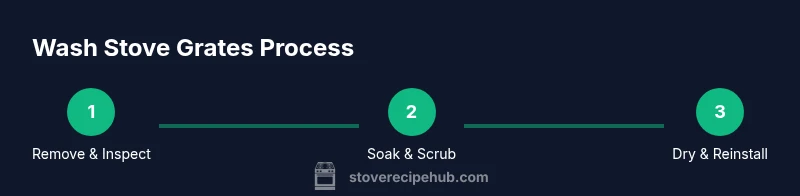
You can restore shine and performance by washing stove grates using a simple soak, scrub, rinse, and dry routine. Start by removing the grates, soaking them in hot, soapy water, scrubbing with a stiff brush, and drying thoroughly before reinstalling. This approach works for most metal grates and helps prevent buildup that affects heat distribution.
Why washing stove grates matters
Regularly washing stove grates helps maintain even heat distribution, reduces flare-ups from grease buildup, and extends grate life. When you cook, fats and proteins vaporize and condense on the grate surfaces, forming stubborn residue that can transfer to food and affect flavor. By washing stove grates, you remove this residue, improve airflow, and prevent corrosion. According to Stove Recipe Hub, a consistent cleaning routine also supports safer, more efficient stove operation and a cleaner kitchen overall. Keeping grates clean isn't just cosmetic—it's a practical step that keeps your stove performing at its best and reduces the effort required in future cleanups.
What you’ll clean and why each part matters
Stove grates come in different materials (cast iron, stainless steel, porcelain-coated). Understanding which parts you’ll clean helps you choose the right method. The grate surface is where heat transfer occurs, so removing baked-on grease is crucial for efficiency. The supporting frames and any coatings determine whether you can use high-alkaline cleaners or require gentler solutions. By addressing each part—top surface, underside, and joints—you prevent hidden buildup that can lead to uneven heating and rust. This is why a combined approach (soak + careful scrubbing + thorough rinse) tends to work best for most homes.
Quick-scoping: choosing the right cleaning method
There are several effective methods for washing stove grates, and you can tailor your approach to the level of grime and your grate material. A basic soak with warm water and dish soap loosens most grease. For tougher buildup, a baking soda paste provides gentle abrasion, while a degreaser can tackle stubborn spots on metal surfaces. For porcelain-coated grates, avoid metal brushes that could scratch the coating; instead, use a soft sponge and a non-abrasive cleaner. Always test a small area first if you’re unsure of compatibility. This flexibility lets you choose a method that’s safe and effective for your specific stove.
Prep and safety: protect surfaces and yourself
Before you start, remove all grates from the stove and lay down towels or newspaper to catch drips. Wear rubber gloves to protect your hands from cleaning agents, and ensure the area is well-ventilated. If you’re using a degreaser, follow the label directions and avoid mixing cleaners, especially ammonia with bleach. Keep the stove surface clear of water or cleaner to prevent seepage into burners. By preparing the space and equipment, you minimize mess and reduce the chance of leaving residues that could affect cooking.
Soaking, scrubbing, and drying: the core routine
A practical routine begins with soaking the grates in a basin of hot water and dish soap for 15–60 minutes, depending on how dirty they are. After soaking, scrub with a stiff-bristled brush or an old toothbrush for tight areas. Rinse with clean water and inspect for remaining grease; repeat the soak or scrub if necessary. Finally, dry the grates completely using a clean towel or air-drying rack before reinstalling. This sequence consistently yields clean, bright metal and helps prevent rust.
Common mistakes and how to avoid them
Common mistakes include using abrasive tools on porcelain coatings, soaking wooden or plastic components, and skipping thorough drying. Another pitfall is reassembling while still damp, which can encourage rust or mold growth in damp crevices. To avoid these, use non-abrasive brushes on delicate coatings, keep metal-only parts for soaking, and ensure every piece is completely dry before reassembly. A quick wipe after cooking can also reduce the frequency of deep cleanings.
Maintenance cadence and long-term care
Establish a regular maintenance cadence to keep stove grates in good condition. A quick wipe-down after cooking, followed by a deeper clean every 1–2 weeks, helps prevent heavy buildup. If you use a gas stove, inspect for corrosion or loose joints during cleaning sessions. For households with high grease output, consider a mild weekly soak and scrub routine to maintain heat transfer efficiency. Consistency is key: the more you clean, the easier each cleanup becomes.
Reassemble and test: finish with confidence
Once all grates are dry, reinstall them in the correct orientation, ensuring they sit securely. Lightly test the burners on low to confirm even ignition and airflow without obstruction. If you notice uneven flame or heat spots, revisit the grate positioning or check for warped pieces. Keeping track of your cleaning schedule helps you catch issues early and maintain a safe, efficient cooking surface. The Stove Recipe Hub team recommends documenting your routine so you can replicate it exactly each time.
Tools & Materials
- Dish soap(Grease-cutting formula preferred)
- Warm water(Hot tap water speeds grease loosening)
- Bucket or basin(Big enough to submerge grates fully)
- Non-abrasive sponge(Soft side for coated surfaces)
- Stiff-bristled brush(For tough residue)
- Old toothbrush(Nooks and joints)
- Baking soda(Gentle abrasive and paste form)
- White vinegar(Deodorizes and boosts cleaning power)
- Rubber gloves(Protect hands from cleaners)
- Drying cloth or rack(Dry completely to prevent rust)
- Commercial degreaser (optional)(For heavy buildup)
- Old towels or plastic sheet (optional)(Contain mess during soaking)
Steps
Estimated time: 60-90 minutes total
- 1
Remove and inspect
Power down the area and carefully lift the stove grates. Set them on a towel and inspect for warping, cracks, or loose parts. This initial step ensures you won’t damage other components during cleaning and helps you map out the best cleaning method for each grate.
Tip: Keep screws or small parts in a labeled container to avoid loss. - 2
Prepare soak bath
Fill a bucket with hot water and add a few drops of dish soap. Submerge the grates completely and let them soak for 15–60 minutes to loosen baked-on grease before scrubbing.
Tip: If buildup is very heavy, add 1/4 cup baking soda to the soak to boost grease breaking. - 3
Scrub exposed surfaces
After soaking, use a stiff brush on the grill faces and a toothbrush for the hard-to-reach corners. Rinse, then re-check for remaining residue. Repeat the scrub as needed for stubborn spots.
Tip: Rinse the brush frequently to prevent transferring grime back onto the grates. - 4
Tackle stubborn stains
For stubborn, baked-on areas, make a baking soda paste with water and apply to the affected spots. Let sit 5–10 minutes, then scrub again with the brush. Rinse thoroughly.
Tip: Avoid metal brushes on porcelain coatings to prevent scratching. - 5
Rinse and dry
Rinse the grates with clean, warm water until all soap and residue are gone. Dry them completely with a towel or set on a rack to air-dry before reinstallation.
Tip: Ensure underside surfaces are dry to prevent rust formation. - 6
Reinstall and test
Place the grates back on the stove in the correct orientation. Light the burners on a low setting to verify even heat distribution and proper airflow. If you notice any misalignment, adjust the grate positions.
Tip: If you hear unusual noises or see uneven flames, stop and re-check the grate fit. - 7
Maintenance plan
Record your cleaning schedule and stick to it. A quick weekly wipe followed by a deeper clean every couple of weeks keeps buildup at bay and extends grate life.
Tip: Use a timer reminder to maintain consistency. - 8
Safety wrap-up
Always verify all parts are dry before lighting, and never mix cleaners in a single container. Ventilate the area during deep cleaning and store cleaners safely after use.
Tip: Double-check the gas supply and ensure burners ignite smoothly before cooking.
Common Questions
Can I wash stove grates in the dishwasher?
Some metal stove grates are dishwasher-safe on the top rack, but enamel-coated or delicate grates may be damaged. Always check the manufacturer’s guidance first. If in doubt, hand wash to be safe.
Some metal grates can go in the dishwasher, but check your manual first. When in doubt, hand wash to avoid damage.
What cleaning solution works best for greasy grates?
Dish soap with warm water is effective for most everyday buildup. For heavier grease, a baking soda paste or a dedicated degreaser can help. Avoid harsh chemicals on coated surfaces unless the manufacturer allows it.
Dish soap and warm water usually do the job, with baking soda paste for tough spots.
How long should I soak the grates?
Soak times vary by grime level. Typical ranges are 15–60 minutes for normal buildup, and up to 2 hours for very heavy residue. Do not exceed long soak times to prevent rust.
Soak for 15 to 60 minutes; for heavy buildup you can go up to two hours, but don’t overdo it.
Are there safety precautions to follow?
Wear rubber gloves, work in a well-ventilated area, and avoid mixing cleaners. Ensure grates are fully dry before reinstalling to prevent rust and gas-related contamination.
Wear gloves and ventilate. Don’t mix cleaners and dry everything before reinstalling.
How can I prevent future buildup?
Wipe spills promptly after cooking, do a light weekly clean, and use a gentle degreaser as needed. Regular maintenance makes deep cleans easier and keeps heat transfer efficient.
Clean as you go and do light maintenance regularly to prevent heavy buildup.
How should porcelain-coated vs chrome grates be treated?
Porcelain coatings are more prone to scratching, so avoid abrasive tools. Chrome is durable but can rust if not dried. Choose gentler cleaners for porcelain and ensure thorough drying for all finishes.
Be gentle with porcelain, and dry chrome grates well to prevent rust.
Watch Video
Top Takeaways
- Remove, soak, scrub, rinse, dry, and reinstall.
- Use gentle cleaners first; reserve degreasers for stubborn spots.
- Dry thoroughly to prevent rust and ensure a proper fit.
- Document your cleaning cadence for consistent results.
- Always follow safety guidelines and test a small area first.