What to Do With Wood Stove Ashes: A Practical Guide
Learn safe, practical ways to handle, reuse, and dispose of wood stove ashes. This guide covers storage, composting, cleaning, and disposal, plus mistakes to avoid for a tidy, safe home.


Learn how to handle wood stove ashes safely: store, reuse, or dispose of ashes correctly, understand what is safe to compost, and what should be avoided. This quick guide outlines essential safety steps, practical options for gardening and cleaning, and common mistakes to prevent.
Understanding the role of wood stove ashes and basic safety
According to Stove Recipe Hub, ashes are a byproduct of burning wood and can be managed in several responsible ways. The key is to treat them as a modest, potentially useful material rather than a waste product. Ash composition depends on the type of wood burned and the completeness of combustion. Always assume ashes may still contain embers for a short time after cooling and handle them with respect for fire safety. By recognizing ash as both a potential soil amendment and a potential hazard, you can make informed decisions about storage, reuse, and disposal. This section lays the groundwork for safe, practical handling that fits everyday home cooking and maintenance routines.
Quick safety context for handling ashes
Handling ashes safely starts with cooling and containment. Never handle hot ash with bare hands or open containers. Use a sturdy metal container with a tight-fitting lid and place it away from flammable objects, pets, and children. When in doubt, err on the side of patience: confirm the material is cool by testing with the back of your hand from a slight distance. If any warmth is felt, continue cooling before moving the ashes. The safer your setup, the easier it is to reuse or dispose of ashes without incident.
Safe gardening and compost uses for ashes
Ashes can contribute minerals that help balance soil, particularly in acidic garden beds. Use only ashes from clean, untreated wood and apply in small, controlled amounts to avoid sudden pH shifts. Avoid ash from painted, stained, treated, or contaminated wood, as it can introduce chemicals into the soil. Incorporate ashes into compost only if the pile has a healthy balance of greens and browns and you maintain moisture levels that prevent anaerobic conditions. Always test soil pH before making large amendments and monitor plant responses over time.
When not to use ashes and potential risks
Do not apply ashes to lawns or plants that are sensitive to high pH unless you have measured preferences from soil tests. Wood ash is alkaline and can raise soil pH, which disrupts certain plants. Avoid using ash near vegetables with sensitive roots, near seedling beds, or around acid-loving plants unless you have a clear plan based on soil testing. Never mix ash with fertilizer that contains high phosphorus or other reactive compounds, as interactions can harm soil biology. Finally, never use damp or muddy ash in gardening or disposal—moisture can corrode containers and release odors.
Safe storage and disposal options
Safe storage means keeping ashes in a metal container with a tight lid, placed outside and away from walls, decks, or brush piles. Allow ashes to cool completely before transferring, and label containers to prevent accidental mixing with other materials. For disposal, you have several options: recycle into compost gradually, use in small garden amendments, or follow local waste guidelines for household ash. If you choose to discard ashes, ensure they are completely cold and contained to prevent any risk of rekindling.
Quick-start ash handling checklist
- Confirm ashes are completely cold before handling.
- Use a metal can with a lid for storage; keep it outdoors.
- Avoid ashes from treated or painted wood.
- Consider light, infrequent compost additions rather than heavy mixing.
- Label containers and keep them away from children and pets.
- If unsure about disposal rules, check local guidance and safety tips.
Troubleshooting common ash-handling issues
If you notice dusty ash settling on surfaces, switch to a sealed, metal container and ensure lids seal tightly. If ash odors become noticeable, relocate the storage container further from living spaces and improve ventilation around the storage area. For gardening, if plants show signs of stress after ash applications, revert to smaller amendments and re-test soil pH. Always prioritize safety and gradual testing when experimenting with ash usage.
Tools & Materials
- Metal container with a tight lid(A durable, nonflakes metal bucket or can with a secure lid; avoid plastic that can melt if embers are present.)
- Ash scoop or metal scoop(Prefer a long-handled tool to avoid reaching near hot surfaces.)
- Heat-resistant gloves(Protect hands when handling containers and ash piles.)
- Dust mask or respirator(Optional for dusty days or if you’re sensitive to ash particles.)
- Outdoor storage area(Place away from combustibles; ensure good airflow and accessibility.)
- Compost or soil test kit(Use and test only if you plan to amend soil; avoid heavy applications.)
Steps
Estimated time: 25-40 minutes
- 1
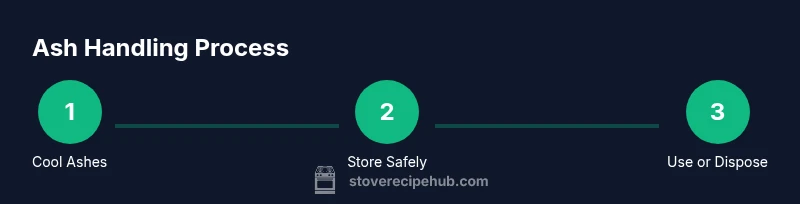
Check ashes for cooling
Before handling, ensure the ashes are completely cold. Use the back of your hand at a safe distance to test for warmth and embers. Do not rush this step—a hot ember can rekindle a fire.
Tip: If you’re unsure, wait longer and test again. Patience here prevents fires. - 2
Choose a safe container
Select a metal container with a tight lid and keep it outside, away from walls and flammable materials. This reduces fire risk and smells from residual moisture.
Tip: A container with a vented lid can help manage odors, but ensure it still seals the ash securely. - 3
Transfer ashes properly
Use a metal scoop to move ashes from your stove area into the storage container. Avoid pressing or compacting; loose ashes reduce heat retention and risk of pockets of embers.
Tip: Do not overfill the container; leave space for air and for safe handling. - 4
Store with clear labeling
Label the container with the date and contents, and place it in a well-ventilated outdoor spot. Clear labeling helps prevent accidental misuse.
Tip: If you share spaces, add a second tag for the ash source (e.g., hardwood vs softwood). - 5
Decide on reuse or disposal
If reusing, apply thinly to soil or compost and monitor plant response. For disposal, follow local guidelines for non-hazardous waste and ensure the ash is fully cooled.
Tip: Always err on the side of conservative reuse—start with small applications and observe results. - 6
Clean up and finish
Wipe down any surfaces touched by ash with a damp cloth to prevent dust. Wash hands after handling ashes and store tools in a dry, clean area.
Tip: Keep a damp rag handy to quickly collect dust and minimize spread.
Common Questions
Are wood stove ashes safe to compost?
Ashes from clean, untreated wood can be added to compost in small amounts. Do not include ashes from painted or chemically treated wood, and monitor compost for any pH shifts over time.
Ashes from clean wood can go into compost in small amounts; avoid treated wood and watch the soil pH as it may change.
Can ashes be used around plants as a fertilizer?
Yes, but use sparingly. Ashes are alkaline and supply minerals, which can help some plants but may harm others if overapplied. Always test soil pH before large amendments.
Ashes add minerals but raise soil pH, so use sparingly and test soil first.
Should I store ashes outdoors or indoors?
Store ashes outside in a metal container with a tight lid, away from flammable materials. Keep the area ventilated and label the container for safety.
Keep ashes outside in a labeled metal container with a tight lid.
What should I do if ashes get wet?
Spread the wet ashes to dry completely, then place them in a metal container. Wet ashes can clump and create handling difficulties and odors.
Dry wet ashes completely before disposal and store them in a metal container.
How long should ashes cool before handling?
Let ashes cool completely before handling to prevent burns and potential rekindling. If unsure, wait longer and test again.
Let ashes cool completely before handling to avoid burns.
Watch Video
Top Takeaways
- Handle ashes only when cold and contained.
- Use small amounts for soil or compost to avoid pH shocks.
- Store outdoors in a labeled metal container with a tight lid.
- Avoid ashes from treated wood and never dispose while hot.