Why Do Stoves Click? A Safe Troubleshooting Guide for Gas Stovetops
Discover why do stoves click, learn how to diagnose ignition issues on gas stoves, and follow a safe, step-by-step troubleshooting guide for quick fixes and prevention.


According to Stove Recipe Hub, when a stove keeps clicking after ignition, the most common causes are a dirty or misaligned igniter or a blocked burner. Quick fix: turn off the gas and power, wait 60 seconds, then carefully clean the igniter and reseat the burner. If it continues, call a qualified technician for a safety check.
Why Do Stoves Click? Understanding the Ignition System
If you’ve ever wondered why do stoves click, you’re not alone. The ignition system on most gas stoves is designed to create a spark that lights the gas. A tiny electrical arc travels from the igniter to the gas port, sending a spark every fraction of a second until the flame catches. When something interferes with this process—dirt, moisture, misalignment, or a worn spark module—the result is a rapid series of clicks with no flame. According to Stove Recipe Hub, this is often a sign that maintenance is due rather than a dangerous gas leak. The key is to separate electrical problems from gas supply concerns: if you smell gas, leave the area immediately and call emergency services. In normal operation, you should hear soft, consistent sparking as the burner lights, followed by a stable flame. Understanding the basics helps you act quickly and safely when the question arises: why do stoves click?
The ignition sequence relies on three components: the spark module (or electrode), the igniter tip, and the burner cap alignment. Any deviation—such as the cap being loose, the electrode being dirty, or the spark not reaching the gas port—will disrupt lighting. This section lays the groundwork for practical fixes, using a safety-first mindset that Stove Recipe Hub champions for home cooks who want reliable stove-top results without calling a technician for every issue.
In practical terms, many clicks are harmless and temporary, especially if you’ve just cleaned the cooktop or spilled liquid nearby. But recurring or unusually loud clicking should be treated as a signal to inspect for underlying faults. Always approach ignition issues with caution and prioritize ventilation and gas safety. The goal is to restore a clean, aligned ignition path so you can cook with confidence.
Common Causes of Recurring Clicking
Recurring or persistent clicking usually points to a small set of predictable problems. The most common culprits are a dirty igniter, a misaligned burner cap, or moisture around the ignition area. A dirty igniter can interrupt the spark or dampen its reach. A loose or crooked burner cap can misalign the spark path, creating a short loop of clicking as the module tries to re-ignite. Moisture from spills or humid air can temporarily dampen the igniter and stops the arc from forming. In some cases, aging spark modules or worn electrodes reduce arc strength, causing more frequent clicks without lighting. The good news is that these are typically user-serviceable with basic tools and the right safety steps. If you notice a burning smell or a persistent crackling sound separate from the spark, treat it as a gas-safety issue and evacuate if necessary.
Other less common causes include a clogged gas port orifice that blocks gas flow, a faulty regulator, or an electrical fault in the ignition circuit. If the gas supply is interrupted or if the circuit is intermittently losing power, the clicks may continue even when there’s no flame. In such cases, you should stop trying to light the burner and consult a professional. Remember, ignition reliability is a combination of proper cleaning, correct alignment, and sound electrical components. The ideas below will guide you through safe, practical checks that minimize risk while restoring lighting performance.
Quick Safety Checks You Should Do First
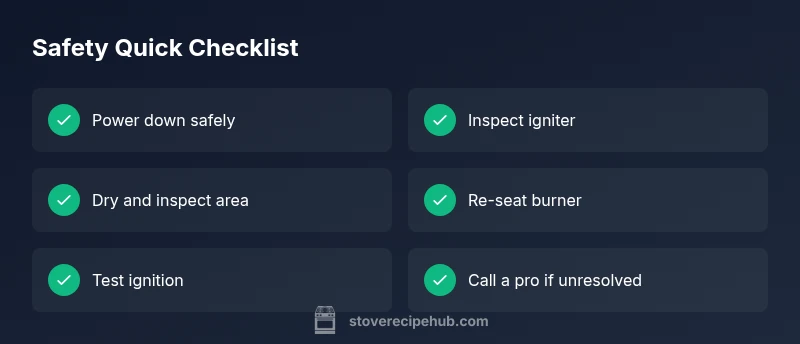
Before diving into deeper troubleshooting, perform these quick checks to rule out obvious issues. First, ensure the stove is powered off and the gas supply is shut off if you detect a strong gas odor or if you’re uncomfortable proceeding. Second, inspect the burner caps and confirm they’re seated squarely and aligned with the burner body. A misaligned cap is a common cause of poor ignition and clicking. Third, wipe away any visible residue or moisture around the igniter and the electrode with a dry tissue or microfiber cloth; moisture can inhibit the spark. Fourth, make sure the area around the ignition is dry and well-ventilated; humidity can affect ignition performance. Finally, if you still hear repeated clicking after the checks, proceed to the more involved cleaning and reseating steps described below. Safety remains the top priority in every action you take with a gas stove, so leave if you smell gas strongly or feel unsafe.
Clean and Re-Seat: Step-by-Step Cleaning Guide for Gas Stovetops
This section walks you through a careful cleaning-and-seating routine to address common ignition issues. Start with a powered-down, cool stove. Remove the burner cap and shield, then inspect the igniter electrode for dirt, food debris, or corrosion. Use a dry brush or compressed air to clean around the igniter tip and the gas ports; avoid using liquids that could conduct electricity. Reassemble the burner and ensure the cap sits flat and square. Re-test the ignition by turning on the burner and listening for a crisp spark and a steady flame. If the flame is uneven or the spark is weak, repeat the cleaning and reseating steps. If you see any signs of damage—cracked igniter, melted insulation, or scorch marks—do not operate the stove until a professional inspects it, as these could indicate an electrical fault or gas-leak risk.
A common mistake is applying liquids to the igniter. Liquids can short the spark and cause rust or corrosion. Always dry the area thoroughly before testing. If you’re unsure about the seat alignment, consult the user manual or a professional. The aim is a clean, dry, and properly seated ignition path that invites a reliable spark and a safe flame. The next steps cover what to do if cleaning does not resolve the issue.
Diagnostics: Safe Testing Methods and What Not to Do
When attempting to diagnose ignition issues, stick to simple, safe tests that don’t require disassembly of critical gas components. Start with visual checks: ensure the igniter is not cracked and that the electrode tip isn’t bent. If your stove has a removable spark module, inspect for loose wires or burn marks. Use a non-contact voltage tester if you’re unsure about electrical status, but never touch live wiring. Do not attempt to repair internal wiring or replace ignition components yourself unless you have the proper training. If you observe gas odor, faint sparks across multiple burners, or if the burner won’t light at all despite a clean ignition path, discontinue testing and call a licensed technician. Remember that ongoing clicking with no flame could indicate a problem with the gas line, the regulator, or the spark module—issues best handled by a professional. In all cases, document any patterns (time of day, burner type, whether it’s hot or cold) to help the technician diagnose the root cause more quickly.
When to Call a Professional and What to Expect
There are clear signs that you should involve a professional. If the igniter clicks repeatedly but does not ignite, if you smell gas, or if a warm, burning odor accompanies the spark, stop and call emergency services if needed. A licensed technician will perform a gas leak test, verify regulator function, test the electrical circuit, and evaluate the spark module. They may also check burner ports for clogs or corrosion. Expect a diagnostic visit to include a safety inspection, a test of ignition efficiency, and a recommended service plan. If the problem is a worn igniter, a replacement part will be installed; if it’s a gas-line issue, the technician will address leaks or regulator problems. The cost will depend on the part and service complexity, but a professional assessment ensures your stove is safe and reliable.
Prevention: Keeping Ignition Reliable for 2026 and Beyond
Prevention is simpler than frequent repairs. Establish a routine maintenance habit: wipe spills promptly, avoid letting liquids pool around the ignition area, and schedule annual checks of the ignition system. Clean the burner caps and verify they’re properly aligned after each cleaning. Keep vents clear and perform a quick visual inspection every few weeks to catch corrosion or loose wiring early. According to Stove Recipe Hub, consistent maintenance not only reduces clicking but also extends the life of your stove. For households with frequent spills or high humidity, consider using a protective cover for the cooktop when not in use. These small steps add up to a safer, more dependable ignition system that supports your kitchen workflow and reduces downtime for meals.
Steps
Estimated time: 45-60 minutes
- 1
Power down and ensure safety
Turn off the gas supply at the shut-off valve. If your stove is hard-wired, unplug it from the outlet if possible. Wait until the surface is completely cool before touching anything. This keeps you safe and prevents accidental ignition.
Tip: Always assume the area is live until you’ve confirmed power is off. - 2
Access igniter and burner
Remove the burner cap and shield, exposing the igniter electrode. Check for visible dirt, moisture, or corrosion around the tip. Keep tools away from the gas ports while you work.
Tip: Take photos before you disassemble so you can reassemble correctly. - 3
Clean igniter and ports
Gently clean the igniter tip and surrounding area with a dry brush or compressed air. Wipe away residue from the burner ports and ensure nothing is blocking the gas flow.
Tip: Do not use liquids on the igniter; moisture can impede sparking. - 4
Reseat burner and test fit
Realign the burner cap and reseat it firmly. Reassemble components and ensure the cap sits flat against the burner base. Power the unit back on and attempt a light test.
Tip: A loose cap is a common cause of persistent clicking. - 5
Test ignition
Turn the burner on to test ignition. Listen for a crisp spark and a steady flame. If the flame catches but dies, re-check alignment and ports for obstructions.
Tip: If you hear multiple sparks without a flame, stop and reassess the igniter path. - 6
Escalate if unresolved
If repetition continues after cleaning and reseating, don’t keep testing. A faulty spark module or gas-line issue may be present.
Tip: Document symptoms and call a licensed technician for a thorough diagnostic.
Diagnosis: Stove won’t ignite or keeps clicking without flame
Possible Causes
- highDirty igniter or misaligned burner cap
- mediumMoisture around igniter area
- lowWorn spark module or damaged electrode
- lowGas regulator or gas line issue
Fixes
- easyClean igniter and reseat burner; remove visible debris
- easyDry area around igniter and reseat ports; avoid liquids
- easyInspect for damaged electrode or worn spark module; replace if needed
- hardCall a licensed technician for gas-line or electrical issues
Common Questions
Why does my stove keep clicking even after lighting?
Repeated clicking after ignition usually points to a dirty igniter, a misaligned burner, or moisture around the ignition area. If the flame catches and stays lit after a clean reseat, you’re done. If not, proceed with further checks or professional help.
Repeated clicking after ignition often means the igniter needs cleaning or the burner is misaligned. If the flame doesn’t stay lit after reseating, you may need a professional inspection.
Is it safe to keep using a stove that clicks but won’t light?
No, continued clicking without lighting can pose gas-safety risks. Stop using the burner and inspect safely. If you smell gas, evacuate and call emergency services. If you’re unsure, contact a professional.
If it won’t light and keeps clicking, stop using it and get professional help to avoid gas hazards.
Can cleaning the igniter fix the problem?
Cleaning the igniter often resolves ignition issues caused by dirt or spills. Use a dry brush, ensure the area is dry, and reseat the burner cap. If the problem persists, test other burners or seek professional help.
Cleaning the igniter fixes many common ignition problems. If it still fails, check other burners or call a pro.
When should I call a technician?
Call a technician if you smell gas, hear continuous loud clicking with no flame, notice burnt components, or if cleaning and reseating don’t restore ignition. A professional can safely diagnose gas lines, regulator, and ignition modules.
If you smell gas or the issue persists after basic checks, contact a licensed technician.
Can moisture affect ignition?
Yes, moisture around the igniter can create a temporary barrier for the spark. Dry the area thoroughly and re-test. If moisture recurs, identify spill sources and improve ventilation.
Moisture can stop the spark. Drying the area usually helps, but fix spills to prevent recurrence.
Does a faulty spark module mean I must replace it?
Not always, but a failing spark module often requires replacement by a professional. If the igniter is old or damaged, replacement may be needed to restore reliable ignition.
A bad spark module typically needs a professional replacement to fix ignition reliably.
Watch Video
Top Takeaways
- Identify ignition issues safely before attempting fixes
- Clean and reseat burners to improve ignition reliability
- Call a professional for gas-line or electrical faults
- Regular maintenance reduces clicking and extends stove life
- Know when to replace an igniter or module if needed