Are Pellet Stoves Worth It? A Comprehensive 2026 Review
An analytical review of whether pellet stoves are worth it in 2026. Explore costs, efficiency, maintenance, installation, and user scenarios to decide if a pellet stove fits your home.


Pellet stoves offer efficient, controllable heat for homes with reliable pellet supply, yet upfront costs and maintenance can temper their appeal. In general, they’re worth considering if you prioritize steady heat, localized heating, and lower emissions, but your climate, fuel price, and installation options will drive the final value.
Are pellet stoves worth it? Framing the question
Are pellet stoves worth it? The short answer depends on climate, fuel supply, and how you heat your space. For many homes, a pellet stove can deliver steady, room-heat on cooler days with controlled burn and relatively clean emissions, especially when paired with well-insulated spaces and proper ventilation. According to Stove Recipe Hub, the value of a pellet stove rises when you prioritize targeted heat in living spaces rather than whole-home conditioning. The Stove Recipe Hub team found that homeowners who install a properly sized unit in a well-insulated room often see noticeable comfort gains and a more predictable heat pattern compared with older wood-burning stoves. The big caveats are upfront cost, ongoing pellet costs, maintenance, and the need for electricity to feed the auger and control electronics. This section lays out how to assess those factors and how to compare pellet stoves with other heating options in your region.
How pellet stoves work: fuel, combustion, and heat delivery
Pellet stoves burn compressed biomass pellets in a controlled chamber. A hopper feeds pellets via an auger, a controlled ignition system starts the burn, and a heat exchanger transfers warmth to the room. The combustion is designed to be efficient and relatively clean, with exhaust vented through a chimney or vent pipe. Modern models include thermostats, automatic feed rates, and safety shutoffs that enhance user control and reduce manual tending. The overall efficiency depends on pellet quality, stove size, venting length, and room insulation. Understanding these basics helps you choose a model that delivers consistent warmth without overstuffing the firebox.
Key advantages: efficiency, convenience, and emissions
The main selling points of pellet stoves include high controllability, lower particulate emissions than older wood stoves, and a consistent heat output. They run on a simple fuel (pellets) that can be stored compactly, are easier to manage than logs, and can be automated to maintain a set temperature. For many households, these traits translate into practical comfort, predictable heating costs, and better indoor air quality in comparison with some alternatives. The ability to program burn cycles and the potential for nighttime warmth make pellet stoves attractive for colder climates and for homes seeking a steady heat source.
Common downsides: cost, maintenance, reliability concerns
No heating option is perfect. Pellet stoves typically require a higher upfront investment than some alternatives, plus ongoing pellet costs that vary with market prices. Maintenance includes regular ash removal, cleaning of the burn pot, and occasional professional servicing to ensure performance and safety. Reliability can be affected by pellet quality, moisture content, and venting configuration. In regions with inconsistent pellet supply or wide price fluctuations, the long-term cost advantage may diminish. Understanding these trade-offs is key before committing.
How to evaluate a pellet stove: size, heat output, and installation
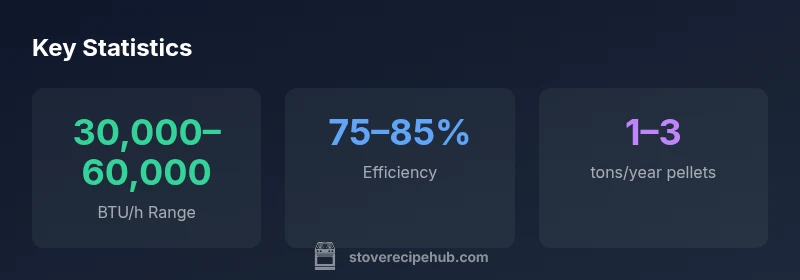
Begin with a room-by-room heat assessment: determine the square footage you want to heat and the climate severity. Select a stove with appropriate heat output (BTU/h) to fit the space without oversizing. Check venting requirements, chimney compatibility, and clearance distances to combustibles. Consider the pellet storage space, hopper capacity, and the electrical needs for auger motors and controls. Installation quality matters as much as stove selection; a proper vent run, clean joints, and a professional connection can reduce draft losses and maintenance needs.
Costs and ownership: upfront costs, ongoing fuel, and maintenance
Upfront costs for pellet stoves vary by model, size, and accessory packages. The long-term cost picture includes pellets, electricity to operate fans and augers, and periodic maintenance. In some markets, pellet prices can fluctuate with supply, moisture content, and shipping. While fuel costs may be competitive in stable markets, price spikes can erode savings. Total cost of ownership improves with good insulation, smart thermostat control, and regular maintenance to prevent performance drops.
Energy costs and savings: a practical calculator approach
To estimate potential savings, compare your current heating bill to a typical pellet stove's heat output for your space. Build a simple calculator around three inputs: insulation quality, local pellet price, and expected usage hours per day during peak season. Run scenarios for different temperatures and occupancy patterns. Remember that transmission losses, venting efficiency, and auxiliary heating needs can shift results, so use a conservative estimate to avoid overestimating savings.
Maintenance and safety: routine care and common issues
Regular maintenance is essential for safety and efficiency. Schedule annual professional inspections, clean the burn pot and heat exchanger monthly during heavy use, and empty the ash reservoir as needed. Inspect gaskets and seals, ensure proper door seals, and verify that the venting system remains unobstructed. Detectors for carbon monoxide and proper clearance around the unit are important safety measures. Address any unusual smoke, odor, or draft issues promptly to prevent problems.
Comparing pellet stoves to alternatives
Pellet stoves sit between traditional wood stoves and modern gas or electric systems. They offer better convenience and cleaner combustion than many older wood stoves but require electricity and ongoing fuel management. Compared to gas heating, pellet stoves may provide more localized warmth and energy independence, though gas systems can deliver consistent heat with lower user input in some layouts. Electric heating offers simplicity but can be costly in extreme climates; pellet stoves can strike a balance when electricity and pellets are readily available.
Installation considerations: venting, clearance, permits
Venting is a crucial factor. Pellet stoves usually require a properly rated vent pipe that vents to the outside, with appropriate clearance from walls and floors. Some homes may need baffles, vent adapters, or re-routing to optimize draft. Permits may be required in certain jurisdictions, especially for permanent installations or when modifying existing chimneys. Working with a licensed installer ensures code compliance, safe venting, and optimal stove performance.
Who benefits most from pellet stoves
Homes in cool to very cold climates with reliable pellet supply and sufficient space to house the unit often benefit most. People who value controllable heat, lower emissions than older wood stoves, and straightforward storage for fuel typically find pellet stoves appealing. Rural homes with regulated pellet supply chains, or urban homes with limited space for cord wood, are common fits. The final verdict always depends on local fuel costs, insulation, and real-world usage patterns.
Quick-start checklist: 14-day plan to trial a pellet stove
Day 1–2: Check insulation and seal gaps. Day 3–5: Review venting options and obtain quotes from licensed installers. Day 6–8: Select pellet type and verify supplier availability. Day 9–11: Schedule installation and set up a thermostat-driven plan. Day 12–14: Run a test burn, monitor performance, and adjust air/feed settings for comfort and efficiency.
Upsides
- High controllability for precise room heating
- Cleaner burning compared to older wood stoves
- Storage-friendly fuel with predictable burn cycles
- Automation and programmable comfort
Downsides
- Upfront cost can be substantial
- Pellet price volatility affects long-term savings
- Reliance on electricity for operation
- Regular maintenance and cleaning required
Balanced option for targeted heating in the right climate
Pellet stoves deliver strong efficiency and convenience for spaces that can support regular pellet supply and venting. Upfront and ongoing costs, plus maintenance, require careful consideration and may steer some buyers toward alternatives in regions with volatile pellet markets.
Common Questions
Do pellet stoves require electricity to operate?
Yes. Most pellet stoves rely on electricity to operate the auger, fans, and controls. A power outage can halt combustion and heat output, so consider backup options if outages are common in your area.
Most pellet stoves need electricity for ongoing operation, so plan for outages and consider backup heat if you live where power goes out often.
Are pellet stoves environmentally friendly?
Pellet stoves tend to burn more cleanly than traditional wood stoves, with lower particulate emissions when properly sized and maintained. The environmental impact depends on pellet sourcing and regional energy markets.
They burn cleaner than many older wood stoves when properly cared for, but environmental benefits depend on pellet sourcing and local conditions.
What maintenance is needed?
Regular cleaning of the burn pot, ash tray, and heat exchanger is essential. Schedule annual professional servicing, inspect seals, and ensure venting is clear to maintain performance and safety.
Keep the burn pot clean, service annually, check seals, and clear vents to stay safe and efficient.
Can I install a pellet stove myself?
Installation often involves venting connections and clearances that must meet code. A licensed installer is typically recommended to ensure safety, proper draft, and compliance.
While some DIY enthusiasts can handle parts of the setup, most jurisdictions require a licensed installer for safe, code-compliant venting.
How do pellet prices affect long-term savings?
Pellet costs fluctuate with market conditions and supply. Savings depend on local pellet prices, usage, and how well you optimize heat output and insulation.
Pellet prices change with the market, so your savings hinge on local costs and how efficiently you use the stove.
What should I look for when buying a pellet stove?
Focus on heat output relative to room size, efficiency ratings, hopper capacity, and the quality of venting hardware. Also check warranty terms and service availability in your area.
Choose a stove with appropriate heat output, good efficiency, a reliable venting system, and solid after-sales support.
Top Takeaways
- Assess room size and insulation before choosing a model
- Expect upfront investment and ongoing pellet costs
- Factor venting, electrical needs, and maintenance into the decision
- Compare pellet stoves to wood, gas, and electric options for your climate
- Plan a staged installation with a licensed professional