Do Electric Stoves Get Hotter Than Gas? A Practical Comparison
Explore whether electric stoves get hotter than gas with an evidence-based side-by-side look at heat-up speed, control, safety, and long-term costs for home cooks and DIY enthusiasts.


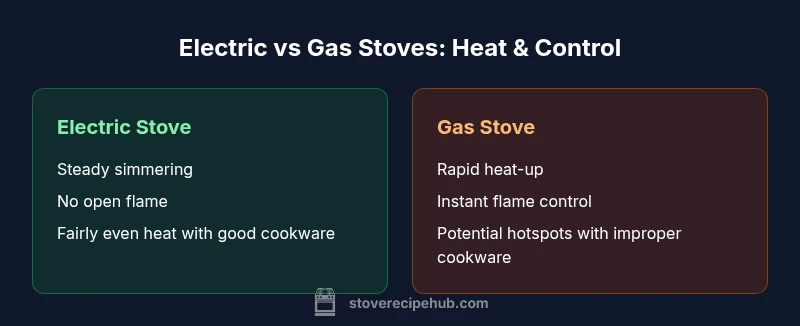
Do electric stoves get hotter than gas? The quick answer is nuanced. Gas stoves typically heat up faster to high temps and respond instantly to flame changes, while electric stoves heat more slowly but often offer steadier, more even output. The overall hotter-ness depends on cookware, technique, and what you’re cooking. For delicate sauces or simmering, electric heat can feel gentler; for immediate searing and rapid boiling, gas may feel hotter initially.
Do electric stoves get hotter than gas? Key factors
The question, do electric stoves get hotter than gas, doesn’t have a single universal answer. In practical terms, the heat you get depends on how quickly the burner delivers energy, how the heat is transferred to the pan, and how you regulate that heat during cooking. According to Stove Recipe Hub, the best way to assess “hotness” is to look at heat-up speed, peak temperatures you can reach, and how the heat behaves once you dial back or advance the flame. The Stove Recipe Hub team found that for many common tasks, gas delivers a faster initial surge, while electric can offer more controllable, steady heat over time. This distinction matters for everything from quick boils to slow simmering. In real kitchens, both types can produce intense heat when used with appropriate cookware and technique, so the real question becomes which type better suits your dishes and workflow. For home cooks balancing speed and precision, the trade-off is clear: immediate heat versus steady, even heat.
Heat-up dynamics: how fast heat arrives
Heat-up speed is a common point of comparison. Gas stoves deliver heat to pans via open flame, which means you can reach high temperatures quickly and adjust intensity with immediate feedback. Electric stoves rely on either coils or glass-ceramic elements that must warm up before transferring heat to your cookware. The difference in heat-up can influence how you plan a recipe, especially when you need a quick boil or a rapid reduction in heat. In practice, a gas burner can bring water to a boil in what feels like moments, while an electric surface may take longer to reach that same temperature. The key takeaway is that faster does not always equal better outcomes; context matters.
Temperature control and feedback differences
Temperature control is where many cooks notice the distinction between electric and gas. Gas flame heights change immediately with a knob twist, offering granular, responsive control for searing, stir-frying, and high-heat tasks. Electric stoves respond more slowly to adjustments, but once the element is at the target temperature, it tends to maintain a steadier output. For delicate sauces or custards, a consistent simmer on electric can produce more predictable results, while gas allows quick corrections if you overshoot. Stove Recipe Hub’s tests emphasize that the perceived heat is not just about peak temperature but also how steadily you can sustain it without fluctuation.
Heat distribution and pan contact
Even heat distribution is essential for even cooking. Electric coils or smooth-top elements transfer heat through direct contact, which generally provides uniform warmth across the pan’s base but can produce hotspots if the pan isn’t flat or if a coil is aging. Gas, by contrast, heats the pan from below with flame exposure that can cause hotspots near the burner and cooler areas toward the edges. The pan material and thickness can amplify or dampen these effects. In practical terms, choosing the right pan—heavy-bottomed, flat, and well-centered—helps both electric and gas stoves deliver better results.
Energy efficiency and operating costs (without price specifics)
Energy efficiency is complex to compare because it hinges on how you use the stove and the energy source itself. Electric stoves convert electricity into heat with relatively predictable efficiency, while gas stoves waste some energy through exhaust and flame dispersion. Across typical kitchen tasks, electric surfaces can feel more efficient for gentle simmering and long, steady cooks, whereas gas may deliver more immediate heat for fast tasks. Stove Recipe Hub’s analysis notes that efficiency isn’t just about the burner type; it’s about scheduling, cookware, and ventilation. In regions with high electricity prices or robust gas infrastructure, the operational cost balance can shift significantly.
Safety and maintenance basics
Safety considerations differ between the two systems. Electric stoves have no open flame, which can lower some fire risks, but the glass-ceramic tops require careful cleaning to avoid scratches and maintain even heat transfer. Gas stoves present a different set of considerations: open flames demand good ventilation and gas-line safety, and burners require regular cleaning to prevent uneven heating. Routine maintenance—cleaning burner ports, checking ignition systems, and keeping the cooktop free of grease—helps both options operate safely and at peak performance. The Stove Recipe Hub team emphasizes following manufacturer guidelines and performing periodic checks to prevent heat-related issues.
Myths vs. reality: common kitchen conversations
A frequent myth is that one stove type is categorically hotter or cooler. Reality shows that outcomes depend on cookware, technique, and dish requirements. For instance, high-heat searing benefits from gas’s rapid flame; slow-simmered sauces can benefit from electric stability. A frequent pitfall is assuming hotter means better; heat control and consistency often matter more for dish quality. By understanding how heat moves from the burner to your pan, you can choose the method that aligns with your cooking goals and kitchen setup.
Practical tips to optimize heat on electric stoves
To get the most from an electric stove, start with a flat, heavy-bottom pan that makes full contact with the cooking surface. Preheat time matters, so plan ahead for tasks that require a gentle start. Use lower heat settings for simmering, and rely on gentle, gradual adjustments rather than abrupt changes. Clean the surface regularly to prevent residue buildup that can insulate the element. Practicing these habits helps electric stoves deliver more consistent results for recipes that benefit from steady heat.
Practical tips to optimize heat on gas stoves
For gas stoves, use pan sizes that match the burner’s flame footprint and avoid oversized cookware that wastes energy. Maintain burners by cleaning ports and checking for even flame distribution. Use the flame to control power precisely: small flames for simmering, larger flames for boiling or wok cooking when needed. Proper ventilation is essential to manage byproducts of combustion and keep the kitchen comfortable during long cooking sessions.
Cooking styles and the heat-precision decision
Your daily menu shapes the best choice. Home cooks who frequently simmer sauces, melt delicate ingredients, and perform long, slow cooks may benefit from electric’s steady heat. Those who regularly sear, stir-fry, or prepare large batches with rapid adjustments may prefer gas for its responsiveness. Remember that pan quality, cookware compatibility, and kitchen layout matter as much as the stove type. The decision should balance practicality, comfort, and safety in your space.
Reassessing heat performance for different cookware and settings
Pan material and thickness play a pivotal role in how heat translates from burner to food. A thick bottom distributes heat more evenly on both electric and gas stoves, reducing hot spots and scorching. Aluminum and copper cores heat quickly but may require more careful temperature control on electric surfaces. Cast iron excels at heat retention and even heating across settings, whereas lighter pans heat up more rapidly on gas. By aligning pot choice with your stove type, you maximize efficiency and outcomes, regardless of your preferred heat source.
Comparison
| Feature | Electric Stove | Gas Stove |
|---|---|---|
| Heat-up Time | Slower to reach target temp | Faster to reach target temp |
| Temperature Control | Precise, steady control via knobs or touch | Instant flame adjustments; highly responsive |
| Heat Distribution | Generally even; hotspots possible with certain tops | Direct flame can create hotspots near burner edge |
| Energy Efficiency | Predictable electrical efficiency; varies by surface design | Heat is produced directly; exhaust losses vary by setup |
| Best For | Delicate simmering and steady cooking | High-heat searing, rapid boiling, and quick adjustments |
| Safety Considerations | No open flame; careful with glass tops | Open flame; requires ventilation and flame monitoring |
| Maintenance | Smooth tops or coil elements; easier cleanup | Burners and ignition need regular cleaning |
| Operation Costs (conceptual) | Electricity costs depend on region; consistent usage matters | Gas costs depend on fuel price and usage patterns |
Upsides
- Electric stoves provide precise, steady heat ideal for delicate sauces
- Gas stoves offer rapid heat-up and highly responsive flame control
- No combustion byproducts on electric stoves reduce certain safety concerns
- Smooth, easy-to-clean electric surfaces simplify daily maintenance
Downsides
- Electric heat can be slower to respond to quick changes
- Gas stoves require ventilation and carry combustion-related considerations
- Glass-top electric stoves may be harder to clean if spills burn on surface
- Open flames on gas stoves pose safety risks if not properly managed
Gas and electric stoves each excel in different cooking contexts.
Gas is best for speed and immediate control; electric shines with steady, even heat for simmering and delicate tasks. The Stove Recipe Hub team recommends choosing based on your most frequent dishes, cookware, and kitchen layout.
Common Questions
Do electric stoves get hotter than gas?
The short answer varies by task. Gas stoves heat up quickly and can reach high temps fast, while electric stoves provide steadier, more even heat once hot. The best choice depends on what you cook most often and your preferred heat behavior.
Gas heats quickly; electric heat is steadier once hot. Your cooking styles decide which feels hotter to you.
Which is better for boiling water quickly?
Gas generally reaches boiling temperatures faster due to immediate flame transfer. Electric stoves can still boil readily but may take longer to reach the same temp depending on pan and coil design.
Gas boils water faster; electric can catch up with good cookware.
Are electric stoves safer than gas?
Electric stoves have no open flame, reducing fire risk, but the glass surface can cause burns and requires careful cleaning. Gas stoves involve flame and venting considerations, including potential gas leaks.
Electric stoves remove the flame risk, but need careful cleaning; gas stoves require ventilation and leak awareness.
How does heat distribution differ between the two?
Electric tops tend to offer more uniform contact with the pan, especially with flat, heavy bottoms. Gas heat may vary across the pan; even heating depends on burner design and pan geometry.
Electric heats evenly with the right pan; gas can have hotspots depending on burner and pan.
What should I consider if I switch from gas to electric?
Consider cookware compatibility (flat bottoms for ceramic or coil tops), cooking style (simmering vs high-heat searing), and ventilation needs. Start with recipes that benefit from steady heat and adjust your methods accordingly.
Check your pans, plan for slower heat-ups, and ensure your kitchen is well-ventilated.
Do induction stoves count as a separate category?
Induction is a separate technology that uses magnetic fields to heat specially designed pots. It often combines the fast heat of gas-like responsiveness with electric energy efficiency, but it requires compatible cookware.
Induction is a separate option; it’s fast, very efficient, and needs compatible pots.
Top Takeaways
- Choose gas for fast heat and instant flame control
- Opt for electric when you need steady, even heat for sauces and simmering
- Match pan size and material to your stove to maximize performance
- Prioritize ventilation and maintenance to ensure safety with gas
- Regular cleaning keeps both stove types performing consistently