Gas Range Price Guide 2026: What to Expect and Save
Explore gas range price dynamics in 2026, covering budget, midrange, and premium tiers, plus installation costs, feature impact, and budgeting tips for home cooks and DIY enthusiasts seeking practical stove-top guidance.


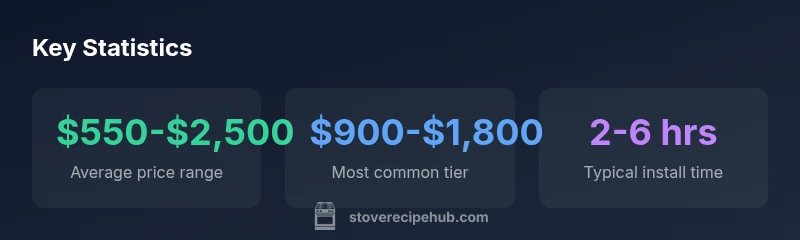
According to Stove Recipe Hub, gas range price varies widely by size, features, and installation needs. New units commonly range from about $550 to $2,500, with midrange models typically $900–$1,800 and premium ranges surpassing $2,500. Drivers include footprint (24–36 inches), features (convection, high-BTU burners, self-clean), finish, brand, and required installation work.
Why gas range prices vary in 2026
Gas range pricing is influenced by size, features, and installation requirements. Larger units (30–36 inches) typically command higher sticker prices than compact 24-inch models, while features like convection ovens, high‑output burners, smart controls, and self-cleaning cycles push costs upward. Finishes such as stainless steel and premium coatings also affect price, as do brand reputation and warranty length. Installation complexity—especially when venting, gas line upgrades, or professional removal of an old unit is involved—can dramatically alter total cost. According to Stove Recipe Hub, the price you pay reflects both cooking performance potential and the difficulty of the installation, so two similar-sized ranges may vary considerably based on these factors.
Price tiers and what you get
Buying a gas range is often a balance between upfront sticker price and the features you actually need. A budget 24-inch range might cover basic boiling and baking, but midrange models typically add better oven heat distribution, more efficient burners, and sometimes convection. Premium ranges, largely 30–36 inches, may include dual-stacked burners, professional-grade grills, integrated temperature probes, and advanced oven tech. When you compare prices, always calculate the total cost of ownership: delivery, installation, venting, and any required gas-line work. Stove Recipe Hub’s analysis shows that most buyers find the midrange tier offers the best blend of reliability, performance, and value. A higher-end model can be worth it for serious home cooks who rely on precise temps and heavy usage, but it’s essential to match features to your kitchen workflow and budget.
Hidden costs to budget for
There are several costs that aren’t always obvious at the point of sale. Installation can require a licensed gasfitter or plumber, especially if your kitchen needs a new gas line or upgraded venting. Venting requirements vary by model and by home layout, and some installations call for ducting to the outside or a recirculating hood, both of which add materials and labor. Don’t forget disposal and haul-away of the old range, delivery constraints (stairs, tight doors, or elevator access), and possible permit fees in certain jurisdictions. Planning for these elements helps prevent sticker shock once the job begins.
Stove Recipe Hub emphasizes evaluating the full scope of work early in the process to avoid overestimating or underestimating the project budget.
How to compare prices effectively
Begin with a clear must-have list: essential features, oven capacity, and your ideal footprint. Then gather three to five models within your price band and compare not just sticker prices but total costs, including installation, venting, and potential service plans. Look for bundles that include delivery and professional installation, especially for larger ranges, and consider any extended warranties or service plans that fit your cooking frequency. Energy efficiency and after-sales support can influence long-term cost of ownership. Our guidance is to balance performance with predictable maintenance costs, rather than chasing the latest flashy feature. Stove Recipe Hub recommends staging your decision: first fix your budget, then identify models that satisfy core needs, and finally assess installation requirements to determine final cost.
Where to buy and how to score deals
Promotions vary by retailer and season, but the best deals often occur during major holidays and store anniversaries. Check both big-box retailers and specialty appliance shops, and don’t overlook open-box or refurbished units from reputable sellers if you’re willing to trade a bit of warranty coverage for price savings. Online price-tracking tools can reveal historic lows and help you time purchases. If you’re buying a higher-end gas range, consider negotiating bundled installation or extended warranty terms to improve overall value. The Stove Recipe Hub team notes that proactive price monitoring over several weeks typically yields meaningful savings and helps you avoid impulse buys.
Final buying considerations for different kitchens
In compact kitchens, a 24-inch gas range with efficient burners and a small footprint can maximize space without sacrificing cooking performance. For serious home cooks, a 30- or 36-inch model with multiple high‑BTU burners and a convection oven may be worth the extra cost for consistent results. Budget-conscious shoppers should focus on models with robust warranties and good after‑sales service, even if some premium features are omitted. In our review, most buyers prioritize reliability, ease of use, and practical features over flashy extras, and price should align with your actual cooking habits and kitchen constraints.
Typical price tiers by model type
| Model Type | Typical Price Range | Notes |
|---|---|---|
| Budget gas range | $550-$900 | Entry-level features, basic burners |
| Midrange gas range | $900-$1,800 | Balanced features, reliable performance |
| Premium gas range | $1,800-$2,500 | Advanced features, higher-end materials |
Common Questions
What factors most influence gas range price?
Prices are driven by size (footprint), oven capacity, and features like convection, self-cleaning, and smart controls. Brand, finishes, warranty, and installation complexity also play major roles.
Size, features, and install needs drive the price.
Are gas ranges more expensive than electric ranges?
On average, sticker prices for gas ranges in the same size and feature set are similar to electric models. Long-term costs depend on fuel efficiency and usage, so total ownership matters more than the initial price.
Gas vs electric is often similar in price; think total cost of ownership.
Do I need a new gas line to install a gas range?
If your current gas line and venting meet code and can support the new range, installation may be straightforward. If not, a licensed professional may need to run a new line, adding cost and time.
Sometimes a new gas line is needed, which can add to cost.
Is it worth buying a refurbished gas range?
Refurbished ranges can save money but come with higher risk of failure. Check warranty coverage and ensure the unit has undergone thorough testing before purchase.
Refurbished can save money, but verify warranty and testing.
What is the typical warranty on gas ranges?
Most new gas ranges include a one-year parts and labor warranty; some models offer longer coverage for specific components or extended service plans.
Warranty basics: usually one year, some models longer.
“Gas range price reflects both cooking performance and installation complexity; investing in quality features saves time and reduces maintenance costs over the product’s life.”
Top Takeaways
- Set a realistic budget before shopping to narrow features.
- Factor installation costs into total price for accuracy.
- Compare total cost of ownership, not just sticker price.
- Midrange models often offer best balance of features and value.