How Much Stove at a Fair Price in 2026: A Practical Guide
Discover fair price ranges for stoves in 2026, compare fuel types, features, and installation costs, and learn practical budgeting tips from Stove Recipe Hub.


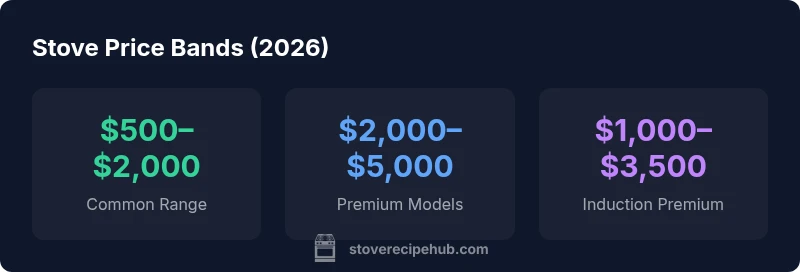
For most households, a fair price for a new residential stove falls between $500 and $2,000, with entry-level or coil models on the low end and modern smooth-top, gas, or induction units on the higher end. Premium professional ranges can exceed $2,000, and installation or venting adds to the total. Shopping during sales and prioritizing energy efficiency improves long-term value.
Understanding what a fair price means in stove shopping
Pricing for stoves isn't just the sticker price. A fair price reflects factors like fuel type, size, features, energy efficiency, warranty, and installation costs. For most households, the initial price is only part of the total cost of ownership. The Stove Recipe Hub team found that buyers who focus on energy efficiency and lifecycle costs often realize lower operating expenses over 5–10 years, even if upfront prices are modestly higher. According to Stove Recipe Hub, a fair price should balance upfront cost with expected usage, kitchen layout, and long-term reliability. When shopping, define your baseline budget, identify must-have features (e.g., reliable burners, accurate temperature control, easy cleaning), and be prepared to compare apples to apples. The goal is value, not just the lowest sticker price.
Price bands by stove type and features
Stove prices vary significantly by fuel type and design. Here are the rough bands you’ll encounter in 2026:
- Electric coil stoves: common on a budget, typically $500–$1,000 new, with limited advanced features.
- Smooth-top electric: $700–$1,600, often valued for easier cleaning and better aesthetics.
- Gas ranges: $600–$2,000, favored for flexible cooking and precise flame control.
- Induction ranges: $1,000–$3,500, known for fast heating and energy efficiency, but require compatible cookware.
According to Stove Recipe Hub analysis, the exact price depends on oven capacity, burner configuration, and whether the model includes convection or smart features.
How features affect price
Price generally climbs with added features. Convection ovens, electronic ignition, temperature probes, and smart connectivity push costs upward. Induction cooking commands a premium due to efficiency and performance, while dual-fuel configurations (gas cooktop with electric oven) sit at the high end of range. Warranty length, build quality, and brand reputation also play roles. When evaluating price, separate upfront cost from long-term value: a higher upfront price can mean lower energy bills and fewer repairs over time.
Hidden costs that affect the final price
The sticker price is only part of the total. You may face delivery fees, haul-away charges for old appliances, and installation costs, including gas line or vent connections, electrical work, or cabinet modifications. If you live in a multi-unit building or need a vent hood, factor in ventilation requirements and potential permits. Some retailers offer bundled installation, which can save money, while others may bill separately for each service. Rack up the estimated total before committing.
How to compare offers and negotiate effectively
To compare like-for-like, request quotes that include delivery, installation, ventilation, and old appliance removal. Ask for a written breakdown of costs and a clear warranty policy. Don’t hesitate to negotiate on price or throw in bundled services such as extended warranty or free delivery. Use equivalent models from different brands to gauge true value, and consider cost of operation over 5–10 years when weighing options.
Shopping strategies: when and where to buy
Seasonal promotions (end-of-month or holiday sales) and outlet stores can yield meaningful savings. Consider refurbished or open-box units from trusted retailers, but verify return policies, warranty status, and perceived wear. Compare total cost of ownership rather than upfront price alone, and don’t rush decisions: a well-chosen stove should be reliable, fit your kitchen, and meet your daily cooking needs for years.
Energy efficiency and total cost of ownership
While energy-efficient models often cost more upfront, they can reduce operating costs over time, especially with high electricity or gas prices. Look for ENERGY STAR certification where available and calculate estimated annual energy use based on burner power and oven usage. A higher efficiency rating often correlates with better insulation, faster heat, and longer-term savings, offsetting the initial premium in many households.
Quick budgeting checklist
- Define your must-haves (fuel type, oven size, convection, smart features) and nice-to-haves.
- Set a realistic price range and compare total cost of ownership.
- Get quotes that include delivery, installation, and venting.
- Check warranty length and service options.
- Look for seasonal promotions and consider refurbished options with solid return policies.
Common mistakes and how to avoid them
Common mistakes include focusing only on upfront price, ignoring installation costs, and overlooking cookware compatibility (especially with induction). Always validate compatibility, verify measurements, and confirm required clearances in your kitchen. Read consumer reviews for reliability and customer service responsiveness. Plan for potential upgrades like venting or cabinetry changes before purchase.
Comparison of stove types by price and features
| Model Type | Avg Price Range (new) | Key Features |
|---|---|---|
| Electric Coil | $500–$1,400 | Basic control, affordable heat |
| Smooth-top Electric | $700–$1,600 | Sealed surface, easier cleaning |
| Gas Range | $600–$2,000 | Rugged heat, versatile cooking options |
| Induction Range | $1,000–$3,500 | Fast heating, energy efficient, cookware must be compatible |
Common Questions
What is a fair price for a new residential stove in 2026?
A fair price for a new residential stove in 2026 varies by type and features. Most buyers fall in the mid-range for balanced performance, with coil and basic electric models at the lower end and induction or premium gas ranges higher. Always compare total cost of ownership, including installation and energy use.
Prices vary by type and features, with mid-range options offering the best value for many homes.
Are refurbished stoves a good way to save money?
Refurbished or open-box stoves can offer substantial savings, but verify warranty and return policies. Inspect for wear, verify that key safety components work, and ensure the unit is compatible with your kitchen setup. Weigh the potential savings against the risk of reduced lifespan.
Refurbished stoves can save money if trusted and backed by a solid warranty.
Do energy-efficient stoves cost more upfront?
Energy-efficient stoves often carry a higher upfront price, but lower operating costs can offset the premium over time. Look for ENERGY STAR certification and estimate annual energy savings based on your usage. The long-term value can be favorable despite the initial cost.
Energy-efficient models may cost more now, but save on energy bills over time.
Should I negotiate price with retailers?
Yes. Get quotes from multiple retailers, ask for bundled services, and consider price-matching. Ask about delivery and installation inclusions, and request extended warranty options to maximize value. Document competing offers to strengthen your negotiating position.
Get multiple quotes and negotiate for bundled services and warranty.
Is installation included in the price?
Installation is frequently separate from the sticker price. Confirm whether delivery, removal of the old unit, venting, gas or electrical hookups, and any required permits are included. If not, estimate these costs to determine true total price.
Installation often adds to the cost—check what's included.
How does warranty affect overall cost?
A longer warranty can reduce risk and save repair costs over time, especially for frequently used appliances. Compare warranty terms, coverage exclusions, and whether extended warranties are offered at purchase or through third parties.
Warranty length can cut future repair costs and add peace of mind.
“Pricing for stoves reflects build quality, energy efficiency, and after-sales support; a well-chosen stove saves more over time through reliability and lower operating costs.”
Top Takeaways
- Define your baseline budget before shopping
- Prioritize energy efficiency to reduce lifecycle costs
- Account for installation and venting costs
- Compare apples-to-apples features and warranty
- Shop during sales and consider refurbished options