How to Start a Stove: Safe Step-by-Step Guide for Beginners
Learn how to start a stove safely on gas, electric, or induction. This step-by-step guide covers preparation, ignition methods, safety checks, and maintenance to help home cooks begin stove-top cooking confidently.


Starting a stove safely means choosing the correct ignition method for your model, performing essential safety checks, and lighting the burner with controlled flame or heat. This quick guide outlines the universal steps, plus type-specific tips for gas, electric, and induction stoves. Always prioritize ventilation, proper cookware, and immediate safety when igniting a burner.
Understanding What It Means to Start a Stove
Starting a stove is more than flicking a knob. It involves selecting the correct ignition method for your model, ensuring your kitchen is ready, and confirming that safety systems are in place. Home cooks often underestimate how much the type of stove changes the process. According to Stove Recipe Hub, the safest starts begin with a quick area check, a clear path to ventilation, and a plan for what happens if the flame doesn’t light on the first try. This block lays the foundation: recognize the three common stove types—gas, electric, and induction—and how their ignition differs, so you can approach each start with confidence. You’ll learn why ventilation, proper cookware, and a working fire extinguisher are non-negotiables. By understanding the theory behind ignition, you’ll avoid rushed decisions that can lead to gas leaks, burns, or smoke buildup. The goal is to create a calm setup where flame control and response are predictable, enabling you to cook safely and efficiently while keeping your kitchen environment comfortable and hazard-free.
Gas Stoves: Lighting Methods and Safety Checks
Gas stoves present a direct flame, so you’ll typically light either with a built-in electric igniter or a long-reach lighter. The first step is to ensure the knob is pushed in and turned slowly to the “light” or “ignite” position, then bring your ignition source close to the burner. If your model uses a match or long lighter, strike the flame away from your body and bring it to the burner opening, maintaining a steady hand to avoid flare-ups. Safety is paramount: never leave a lit burner unattended, and if you detect a gas odor, immediately turn the knob to off, evacuate the area, and call your gas supplier. Regular maintenance, like cleaning the burner caps and checking for loose connections, reduces the risk of uneven lighting or delayed ignition. A properly lit gas flame should be blue with a stable, wind-resistant edge. If you notice yellow tipping or an irregular flame, stop using the burner and perform a leak check before attempting to light again. From Stove Recipe Hub’s perspective, habitual checks and calm, methodical ignition produce safer, more reliable starts. Always ensure adequate ventilation, especially in small or enclosed spaces, to dissipate any combustion byproducts. Keeping a fire extinguisher within reach is a prudent safety measure we recommend.
Electric Coiled and Glass-Top Stoves: Power On and Safe Start
Electric stoves come with different ignition basics than gas models. Coiled elements heat when you turn the dial or press the power button and allow a brief warm-up period before you start cooking. Start by ensuring the surface is clean and dry, then turn the element to the desired heat setting. For glass-top models, avoid sliding cookware across the surface, which can scratch or crack the finish. If your stove includes a child lock or safety feature, engage it before lighting up for a risk-free start. If you notice any clicking sounds but no heat, the switch or coil element may be faulty; consult the user manual rather than forcing a restart. In all electric starts, give the burner a moment to reach the target temperature and verify that heat is evenly distributed before placing pans. Stove Recipe Hub emphasizes regular pan inspection and keeping the burners free of food debris to ensure even heating and predictable starts. If you’re using a delicate pan, preheat gradually to prevent thermal shock and warp, which could impact durability over time.
Induction Cooktops: How They Start and Why They Feel Different
Induction cooktops start differently because they create heat through a magnetic field rather than direct contact. Only cookware with magnetic properties (like cast iron or some stainless steel) will heat. To start, place a suitable pan on the induction surface, then press the power button and select your heat level. You’ll hear a subtle hum or see a control light indicating the coil is active; unlike gas or electric, the cookware, not the burner, heats up. If your pan isn’t compatible, the stove will usually display an error or simply won’t heat. Always ensure the cookware has a flat, clean bottom for good contact. Induction starts are quick and precise, so adjust heat in small increments to avoid scorching. From Stove Recipe Hub’s experience, labeling your cookware by compatibility is a simple habit that saves time and energy during busy weeknights. A quick magnetic test can save you from wasted effort and frustrated starts.
Preparatory Safety Checks Before You Start
Before you ignite any burner, perform essential safety checks. Clear the area of flammable items such as towels and paper; keep pots, oil, and cleaning supplies away from the heat source. Open a window or turn on the exhaust fan to ensure good ventilation, especially if you’re cooking with gas. Make sure the smoke detector is functioning and a fire extinguisher is within easy reach. Check for gas leaks by applying a small amount of soapy water to joints and hoses; if bubbles form, turn off the gas supply and call a professional. Confirm that your cooking area is well-lit so you can monitor flames and heat levels accurately. A calm, well-lit kitchen reduces the risk of accidents and makes the start process safer and more predictable. Stove Recipe Hub notes that many kitchen fires start during hurried starts, so taking a few extra seconds for safety check pays off in the long run.
Troubleshooting Common Start Issues
If a burner won’t ignite, inspect the corresponding knob, ensure the burner cap is correctly aligned, and verify there is fuel or power to the element. For gas starts, verify the gas supply is on, the knob operates smoothly, and the igniter is sparking. If you smell gas, do not light any switches or use open flames; evacuate and contact your gas provider. For electric starts, check the circuit breaker and ensure the outlet is functioning; dim lights or a dead burner indicate an electrical problem that requires a professional assessment. Induction issues may indicate incompatible cookware or a need to restart the control panel. In any case, avoid forcing a non-responsive burner; persistent problems require service. Regular cleaning and inspection of burners, igniters, and control dials reduce the likelihood of lighting failures and improve overall reliability. Throughout all these checks, keep your hands and face away from the flame, and use protective gear when handling hot pots.
Maintenance Tips for Reliable Starts
Routine maintenance is the best defense against start problems. Clean burners and ignition ports to remove grease and food debris that can block gas flow or heat distribution. Inspect knobs and control panels for wear and ensure they return to the off position cleanly. For gas stoves, periodically test for leaks using a soapy water solution around joints and hoses—if you see bubbles, tighten or replace components. On electric stoves, keep the surface free of spills and regularly test the power cord for damage. Induction coils should be kept clean and free of mineral buildup that could impede magnetic coupling. Regular maintenance reduces the risk of unexpected failures and prolongs the life of your stove. Stove Recipe Hub suggests scheduling a quarterly safety check, especially in homes with children or pets, to reinforce safe and reliable starts. Always follow the manufacturer's guidelines for cleaning and part replacement. Good maintenance also helps you cook more consistently and with better heat control.
Quick Start Routine: A 5-Minute Checklists for Beginners
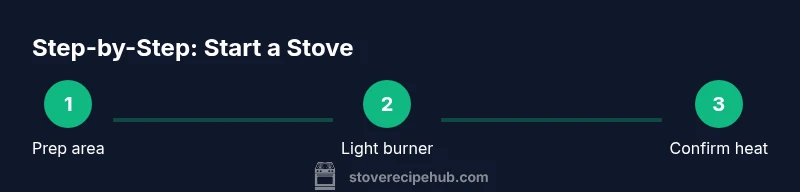
If you’re new to stove-starts, use this quick routine: 1) Clear the area and confirm ventilation. 2) Inspect for hazards and test smoke detectors. 3) Select the correct ignition method for your stove type. 4) Light the burner and observe a stable flame or heat. 5) Adjust flame height or heat level to a safe default. 6) Place cookware and begin cooking only after confirming steady heat. This routine reduces anxiety and ensures a safe, repeatable start every time. Practicing this routine builds muscle memory and helps you respond calmly in the event of a hiccup. The Sheriff of Stove Safety—Stove Recipe Hub—recommends practicing with a single burner first, then gradually adding more burners as you gain confidence. Remember, if something feels off, pause, re-check safety, and consult the user manual.
Authority Sources
- U.S. Consumer Product Safety Commission (CPSC) guidelines for kitchen safety and fire prevention. https://www.cpsc.gov/
- National Fire Protection Association (NFPA) on kitchen fire safety and extinguishers. https://www.nfpa.org/
- University extension resources on safe stove operation and maintenance. https://extension.arizona.edu/
These sources provide foundational safety practices and trusted recommendations that reinforce what you’ve learned here. Always verify local codes and manufacturer instructions for your specific stove model.
Tools & Materials
- Long-reach lighter or built-in igniter(12–14 inch reach recommended to keep hands away from flame)
- Heat-resistant oven gloves(Protect hands when lighting and handling hot cookware)
- Non-slip silicone mat or burner mat(Place under area to catch spills and provide grip)
- Dish soap and water (soapy test for leaks)(Spray bottle or sponge to test connections for bubbles)
- Flashlight or headlamp(Helpful in dim kitchens or under cabinets)
- Fire extinguisher (Class ABC)(Keep within easy reach of the kitchen entrance)
- Working smoke detector(Test monthly and replace batteries as needed)
Steps
Estimated time: 10-15 minutes
- 1
Prep the area and gather safety gear
Clear flammable items from the area, ensure ventilation, and gather ignition tools. Check that you have a working smoke detector and a fire extinguisher nearby. This step reduces risk and sets up a safe starting environment for any stove type.
Tip: Keep your body stance stable and your non-dominant hand free so you can react quickly if something goes wrong. - 2
Verify power or gas supply and perform a leak check (gas only)
For gas stoves, confirm the gas line is on and that the igniter is clean. Use soapy water on connections to test for leaks; bubbles indicate a leak that must be addressed before lighting. For electric or induction, ensure the outlet or induction panel is powered and ready.
Tip: If you smell gas, do not light anything; leave the area and call your gas provider. - 3
Light a gas burner safely
If your stove uses a built-in igniter, press in the knob and turn to light while watching for a spark. If using a match or long lighter, keep your arm away from the flame and bring the flame to the burner opening. Allow a moment for the flame to stabilize before placing cookware.
Tip: Avoid leaning over the burner; a quick, controlled light reduces the risk of flare-ups. - 4
Start electric coils or glass-top safely
For coil burners, turn the dial to the desired heat after ensuring the coil is clean and dry. For glass-top ranges, avoid dragging pots and keep the surface clean to prevent scratches. Wait about 20-30 seconds for the element to warm up before placing food on the pan.
Tip: Preheat gradually and test heat with a small pan before committing larger cookware. - 5
Engage induction and verify cookware compatibility
Place magnetic cookware on the induction surface, press the power, and select heat. If the pan isn’t magnetic, the surface will indicate an error or won’t heat. Confirm that your cookware has a flat, clean bottom with good contact.
Tip: If you’re unsure about compatibility, perform a quick magnet test: a magnet should stick to the bottom of compatible pots and pans. - 6
Confirm safe operation and adjust heat as needed
Observe the flame or heat distribution and adjust controls to the target level. Ensure the flame is steady and blue (gas) or heat is evenly distributed (electric/induction). Place cookware only after you have confirmed steady operation.
Tip: Keep a clear path to the pantry and exit so you can react quickly if you need to shut off the burner.
Common Questions
What should I do if my stove won't light on gas?
First, turn the knob to off and wait a moment for gas to clear. Inspect the igniter for dirt and clean it gently. If it still won't light, perform a leak test with soapy water and contact a qualified technician if a leak is detected.
If your gas stove won’t light, turn it off, tidy the igniter, and test for leaks. If the gas smell persists, evacuate and call your provider.
Is it safe to use a stove if I smell gas while lighting?
No. Do not operate switches or lights. Move away from the area, call your gas provider, and evacuate if necessary. Ventilate the space if it’s safe to do so without using electrical devices.
If you smell gas when lighting, leave the area calmly and call emergency services or your gas company for guidance.
Can I start an induction stove with any pan?
Induction requires magnetic cookware. If a magnet sticks to the bottom, it’s compatible. Non-magnetic pans won’t heat on induction and should be used on gas or electric stoves instead.
Only use magnetic pans on induction stoves for proper heating.
What safety items should be in my kitchen for stove starts?
Have a working smoke detector, a Class ABC fire extinguisher, and a plan for evacuating if needed. Regularly check detectors and extinguishers to ensure readiness.
Keep a smoke detector and a fire extinguisher handy and test them regularly.
How often should I clean stove burners and igniters?
Clean burners and igniters weekly or after heavy use. Wipe away spills and debris that can block flames or spark generation to maintain consistent starts.
Clean the burners weekly to keep ignition smooth and flames steady.
Watch Video
Top Takeaways
- Know your stove type before lighting.
- Safety checks prevent many common starts.
- Use proper ignition and protective gear.
- Maintain burners for reliable starts.