How to Turn Stove On: A Practical Guide for Home Cooks
A comprehensive, step-by-step guide to turn on your stove safely, covering gas and electric models, safety checks, troubleshooting, and maintenance tips from Stove Recipe Hub.


To turn on a stove, locate the burner knob, push in, and rotate to ignition or your chosen heat. For gas stoves, light with the built-in igniter or a long match if needed; for electric stoves, set the knob to heat and wait for the coil to glow. Always check for gas odor and ventilate if necessary.
Understanding Your Stove: Gas vs Electric
If you're asking how to turn stove on, the answer depends on whether you have a gas model or an electric one. Gas stoves rely on an ignition system (either a built-in igniter or a manual match) to light a flame. Electric stoves heat through coils or smooth-top elements controlled by rotating knobs. Knowing which type you own helps you follow the correct ignition path and reduces the risk of improper lighting. In both cases, a safe pre-light routine is essential: clear the area, remove flammables, and ensure plenty of ventilation. By understanding these differences, you’ll approach ignition with confidence and reduce the chance of accidental gas exposure or burns. This awareness also guides maintenance and troubleshooting down the line.
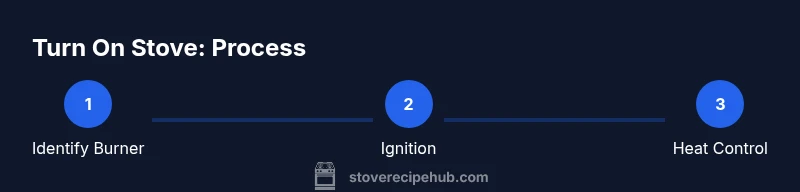
For home cooks, mastering the basics of ignition means you can start cooking quickly without compromising safety. The core idea is simple: identify the correct burner, activate the ignition method, and confirm a stable flame or heat signal before placing cookware on the burner.
Safety Essentials Before Igniting
Safety comes first when learning how to turn stove on. Always inspect the area for flammable items such as paper towels, oven mitts, or plastic containers. Ensure there’s proper ventilation, especially when lighting a gas burner in a sealed kitchen. If you smell gas at any time, do not ignite any burner, do not operate switches, and evacuate the area. Use a phone outside to call your gas provider or emergency services. Keep children and pets at a safe distance during ignition attempts. A quick safety check reduces the risk of fires, gas leaks, and burns, and it also protects the health of everyone in the kitchen. Regular maintenance helps keep ignition reliable, which is especially important for frequent cooks who rely on a steady flame.
Turning On a Gas Stove: Step-by-Step Details
Gas stoves require you to engage the ignition by manipulating the correct burner knob. Start by aligning your hand with the knob and ensuring you have a clear path for a potential flame. Push the knob in and turn it to the ignite position; you may hear a click as the igniter sparks. Hold the knob in for a moment until the flame catches. If the flame fails to light within 5-10 seconds, release, wait a minute, and retry with the same burner. Once lit, adjust the flame to your desired height. Keep the area well-ventilated, and never leave a lit burner unattended while cooking. If you smell gas or hear a hiss after ignition, immediately turn the knob off and exit the area. Regular cleaning of the burner ports also helps ensure reliable ignition over time.
Turning On an Electric Stove: Step-by-Step Details
Electric stoves ignite differently; coils heat up when the knob is turned to a heating setting. Locate the burner knob for your intended burner, push in (on most models) and turn to the desired heat. The coil will begin to glow within a few seconds to a minute depending on the model. If your stove has a glass-ceramic top, avoid sliding cookware to prevent cracks. Some newer electric stoves include a light or indicator that shows when the coil has reached the set temperature. Make sure cookware is dry and properly centered to distribute heat evenly. If the coil doesn’t heat, verify that the stove is receiving power and that there are no blown fuses or tripped breakers. Safety also means keeping the surface clean; grease and dust can interfere with heat transfer and ignition.
Troubleshooting Common Ignition Issues
If ignition is slow or fails, there are a few common culprits to check. For gas stoves, ensure the burner ports aren’t clogged with food debris, which can prevent a proper flame from forming. Clean the burner caps and ports with a dry brush or soft cloth—never use water on hot parts. For electric stoves, inspect the power supply, fuses, and cord condition; a loose plug or blown fuse can stop ignition entirely. If you smell gas after attempting ignition, stop and ventilate the area immediately. A persistent issue may indicate a more significant problem requiring a professional service, such as misaligned burners, faulty igniters, or gas line concerns. Regular cleaning and gentle maintenance can prevent many of these issues from occurring.
Maintenance Tips to Keep Ignition Reliable
Regular maintenance is essential for reliable stove ignition. Clean the burner ports and igniters regularly to remove grease and food residue. For gas stoves, ensure the burner cap is seated correctly and the ports are clear. For electric stoves, keep the coil and surrounding area dry and free from spills. Periodic checks of electrical connections and the power supply help prevent ignition failures. If you notice inconsistent flame or heating, schedule professional service to avoid safety risks. Keeping a clean, well-maintained stove not only makes ignition more reliable but also extends the life of your cooking surface and improves energy efficiency.
Tools & Materials
- Stove manual(Keep accessible for model-specific ignition instructions)
- Stove control knobs(Identify the knob for the burner you plan to use)
- Lighter or long-reach lighter(Useful if your gas model lacks a reliable igniter)
- Kitchen timer(Helps track ignition time and prevents overheating)
- Heat-resistant gloves(Useful when handling hot cookware)
Steps
Estimated time: 5-7 minutes
- 1
Check safety and prepare the area
Clear combustibles from the area, ensure ventilation, and confirm there is no gas odor before lighting. This prevents accidental fires and health risks.
Tip: If you detect gas odor, leave the area and call your gas provider or emergency services. - 2
Identify the burner knob for your target burner
Find the knob that controls the burner you intend to use. Misidentifying a knob can light the wrong burner or waste time.
Tip: If you’re unsure, consult the stove manual or take a photo of the control panel. - 3
Push in and turn to ignition on a gas stove
Push the knob in and rotate it to the ignite position; hold briefly as needed to start the ignition sequence.
Tip: If the burner doesn’t light within 5-10 seconds, release and wait 1 minute before trying again. - 4
Light the burner using the igniter or a long match
For stoves with an electric igniter, you should hear a click and see a flame once the knob is in the ignition position. If no igniter, light with a long match kept away from your hand.
Tip: Never reach over a lit flame when lighting with a match. - 5
Verify flame and adjust heat
Once lit, ensure the flame is steady and blue with a gentle, even edge. If the flame is yellow or uneven, turn off and inspect for airflow or gas issues.
Tip: A gust of air from a range hood may momentarily dull the flame—recheck after 10 seconds. - 6
Turn knob to your desired heat level
Rotate the knob to the target heat. Avoid extreme temperatures at startup to prevent cookware damage and spills.
Tip: Preheat only as needed to avoid wasted energy.
Common Questions
Is it safe to turn on a gas stove if I smell gas?
No. If you smell gas, leave the area immediately and contact your gas provider or emergency services. Do not light burners or operate electrical switches.
If you smell gas, leave the area and call for help—do not light anything.
What should I do if the gas stove won't light?
First, ensure you’ve pushed in, and turned to ignition. If it still won’t light, wait a minute and try again. If there’s still no flame, turn the knob off and consult the manual or a technician.
If it won’t light after trying safely, turn it off and check the manual or contact support.
Can I light an electric stove without electricity?
Electric stoves rely on power to operate the coil ignition. Without electricity, you cannot turn it on unless your model has a manual ignition, which is rare. Use caution and seek professional help if necessary.
No, an electric stove needs power to operate.
Why is my flame yellow or unstable?
A yellow flame often indicates incomplete combustion or airflow issues. Check the gas supply and air vents or contact a technician if it persists.
A yellow flame can mean incomplete combustion—check the flame and airflow.
How do I maintain a gas stove ignition?
Regular cleaning of the igniter and burner ports helps maintain reliable ignition. Wipe away food debris and ensure ports are clear.
Keep the igniter clean to ensure reliable ignition.
Watch Video
Top Takeaways
- Know your stove type before lighting.
- Push in and turn to ignition on gas stoves; use igniter or long match if needed.
- Always check for a steady flame and correct heat setting before cooking.
- If you smell gas, prioritize safety and evacuation.