Pellet Stove vs Propane: A Practical Comparison for Home Heating
Compare pellet stoves and propane heating: fuel sources, installation, costs, emissions, maintenance, and safety. Learn which option fits your home with Stove Recipe Hub.


Pellet stove vs propane presents a clear trade-off: pellet stoves rely on renewable biomass with precise automatic heat control, while propane stoves offer quick installation and reliable fuel access. For most homes with space for pellet storage and venting, the pellet option delivers superior heat zoning and potential long-term cost savings. If you prioritize easy setup, immediate heat, and consistent fuel availability, propane wins on convenience.
Pellet stove vs propane: Core Differences
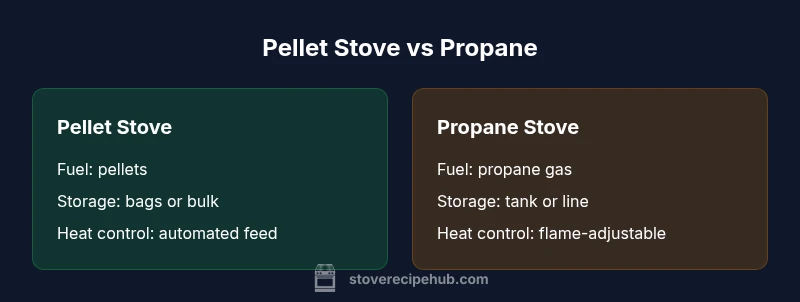
In the debate of pellet stove vs propane, the core differences lie in fuel source, heat delivery, and long-term sustainability. Pellet stoves burn compressed biomass pellets and typically feature automated feed systems, thermostats, and clean burn chambers. Propane stoves rely on bottled or natural gas to ignite a flame that produces heat with straightforward temperature control. From a user perspective, pellet stoves offer precision and potential energy efficiency advantages, while propane stoves emphasize simplicity, quick setup, and reliable fuel access. According to Stove Recipe Hub, the choice often comes down to storage capacity for pellets, venting requirements, and how you prioritize renewable fuel sources. The Stove Recipe Hub team found that heat distribution and zoning are typically stronger with pellet systems when you can manage pellet logistics, whereas propane provides consistent performance with less infrastructure.
Fuel Source and Availability
Fuel source is the most obvious differentiator in pellet stove vs propane. Wood pellets come in bags or bulk, and their price is closely tied to timber supply and pellet mill activity. Propane, by contrast, depends on gas suppliers and tank infrastructure. Availability can be highly regional: rural areas with robust pellet mills may offer stable pellet pricing, while urban or coastal areas often have easy propane access. For homeowners, this means evaluating local pellet supply chains, storage space, and seasonal demand against existing propane tanks or lines. The decision often hinges on whether you can sustain a renewable pellet supply or prefer the perceived immediacy and ubiquity of propane fuel.
Installation and Space Requirements
Installation considerations are a major practical factor in pellet stove vs propane. Pellet stoves typically require a dedicated venting system, a stable power supply for the auger and controls, and designated pellet storage near the stove. Propane stoves demand proper gas lines or a propane tank, clearance around the unit, and venting as required by local codes. In general, pellet systems need more upfront planning and space for pellet storage, while propane systems can be quicker to install if you already have gas service. The tradeoff is that pellet stoves can deliver more even heat patterns when properly vented and loaded, while propane systems can offer faster, on-demand warmth with less ongoing storage.
Operating Costs and Emissions
Operating costs depend on fuel price and efficiency, making pellet stove vs propane an economics question as well as an environmental one. Pellet fuel prices vary by region and pellet quality, and many models achieve high efficiency with automated feed leading to lower waste heat. Propane costs are tied to natural gas markets and delivery logistics, and fuel use is typically straightforward to estimate on a per-hour basis. Emissions depend on the fuel and the stove’s compliance with emission standards. Stove Recipe Hub analysis shows that pellet systems may have lower life-cycle emissions when pellets are sourced responsibly, while propane emits CO2 as a fossil fuel. The practical takeaway is to compare local fuel prices, pellet supply reliability, and the stove’s efficiency ratings to estimate ongoing costs and environmental impact.
Maintenance and Safety Considerations
Maintenance is a differentiator in pellet stove vs propane. Pellet stoves require regular ash removal, hopper cleaning, and periodic vent inspection to maintain clean combustion and safe operation. Propane stoves demand less frequent cleaning related to the flame and exhaust, but gas line and vent inspections remain essential for safety. Both systems benefit from routine safety checks, proper installation, and adherence to manufacturer recommendations. From a safety perspective, pellet stoves involve pellet dust management and ash disposal, while propane requires gas leak vigilance and shut-off protocols. The goal is to maintain safe operation with scheduled maintenance and proper ventilation.
Performance in Different Climates and Home Sizes
In small spaces, a pellet stove can provide efficient, evenly distributed heat if installed with appropriate ventilation and room zoning. Propane stoves excel in smaller homes or apartments where venting is simpler or where pellet storage is impractical. In larger homes or regions with long heating seasons, pellet stoves can offer economical, steady warmth when pellet supply is reliable. When assessing pellet stove vs propane in different climates, consider insulation levels, draft control, and how quickly you need to heat a space. The right choice depends on your climate, home size, and the ability to maintain a steady fuel supply.
Real-World Scenarios and Use Cases
Consider a rural home with ample storage for pellets and a compatible venting setup—the pellet stove often delivers consistent heat and can be cheaper to run if pellet prices stay reasonable. For a city condo with limited storage and easy access to propane, the propane stove can be a more flexible option with quicker installation and strong, rapid heating performance. In vacation homes or secondary residences, the decision may hinge on fuel logistics and seasonal fuel budgeting. Across scenarios, pellet stoves reward homeowners who can manage pellet supply chains, while propane shines where simplicity and immediate warmth matter most.
Environmental Impact and Sustainability
Pellet stoves can align with sustainability goals when pellets come from responsibly managed forests or waste wood sources. Propane, while cleaner than coal among fossil fuels, is still a non-renewable energy source. If your priority is reducing the carbon footprint and supporting renewable energy, pellet stoves may have the edge when used with high-quality pellets and proper maintenance. Consider life-cycle assessments for your region and verify local incentives or rebates for pellet vs propane systems. Stove Recipe Hub emphasizes evaluating both fuel sourcing and system efficiency when weighing environmental impact.
Decision-Making Framework and Quick Reference Checklist
To navigate pellet stove vs propane choices, use a simple framework: assess space for storage and venting, evaluate local pellet quality and availability, compare installation cost and time, estimate ongoing fuel costs with regional prices, and examine safety and maintenance requirements. A practical checklist includes: 1) Do you have sufficient pellet storage and venting capacity? 2) Is propane infrastructure already present or easily added? 3) Which option offers better heat zoning for your home layout? 4) Are there local incentives for pellet heating? 5) What are the long-term maintenance commitments? This framework helps you move from general preferences to a data-backed decision.
Comparison
| Feature | Pellet stove | Propane stove |
|---|---|---|
| Fuel source | Biofuel pellets (renewable when sourced responsibly) | Propane gas (fossil fuel) |
| Typical installation cost | Moderate | Low to moderate |
| Operating cost drivers | Pellet price, hopper efficiency | Propane price and consumption |
| Maintenance | Regular cleaning, ash disposal | Lesser structural maintenance, venting inspection |
| Emissions | Potentially lower emissions with high-quality pellets | Propane emissions are fossil-fuel based; cleaner than coal |
| Heat control | Automated feed rate and thermostat control | Flame-adjustable controls; some models have built-in thermostats |
| Storage space | Space for bags of pellets | Space for propane tank or line access |
| Environmental footprint | Renewable if pellets sourced responsibly | Fossil fuel with greenhouse gas emissions |
| Best for | Homes with pellet infrastructure and storage | Homes with existing propane line or limited storage |
Upsides
- Renewable fuel options when pellets are responsibly sourced
- Often lower long-term operating costs with efficient burn
- Precise heat control through automatic feed and thermostats
- Can provide very even heat distribution in a zoned layout
Downsides
- Pellet storage and handling required
- More complex installation with venting and electrical needs
- Pellet quality and supply can affect performance
- Propane can offer quick warmth but is fossil-based
Pellet stoves generally offer better long-term efficiency and heat control when storage is feasible; propane stoves win for quick setup and fuel accessibility.
Choose pellet if you can manage pellet supply and venting for sustained heat and potential energy savings. Choose propane if you need fast installation and reliable fuel access with minimal storage considerations.
Common Questions
What are the main differences between pellet stoves and propane stoves?
Pellet stoves burn biomass pellets and use an automated feed for steady heat, often with clean emissions when pellets are high quality. Propane stoves burn gas and offer immediate heat with simple controls; installation is typically quicker when gas service exists. The choice hinges on storage, maintenance willingness, and environmental goals.
Pellet stoves burn pellets with automatic heat control, while propane stoves burn gas for quick warmth. Your choice depends on storage, maintenance, and environmental goals.
Is pellet stove maintenance difficult?
Pellet stoves require regular ash removal, hopper cleaning, and occasional vent inspections to maintain efficiency and safety. Routine servicing is essential but can be integrated into annual maintenance with proper care.
Yes, pellet stoves need regular ash removal and vent checks, but routine servicing keeps them efficient.
Can I convert an existing propane stove to a pellet stove?
Converting from propane to a pellet stove generally requires replacing the unit and upgrading venting. It is not a simple retrofit and should be assessed with a qualified installer.
Converting isn’t simple; you’ll usually replace the unit and adjust venting with a professional.
Which is safer, pellet or propane?
Both can be safe when installed correctly and maintained. Pellet stoves involve ash and dust management, whereas propane requires leak detection and safe handling of gas lines. Proper installation and regular maintenance are the keys to safety.
Both are safe when installed and maintained properly; each has its own safety considerations.
What is the typical cost range to install pellet stove vs propane?
Costs vary by model, venting needs, and local codes. Pellet stoves usually involve higher upfront installation due to venting and electrical work, while propane installations focus on gas lines and tank setup. Both options should be evaluated against long-term operational costs.
Installation costs vary; pellets require venting and electrical work, propane needs gas lines. Long-term costs depend on fuel prices and efficiency.
Which system is better for a cold climate with long heating seasons?
In cold climates, pellet stoves can provide efficient, steady heat for extended periods if pellet supply and venting are well managed. Propane can still perform well, especially when pellet supply is uncertain or storage is limited.
For long winters, pellets can be great if you can manage storage and venting; propane remains reliable if pellets are hard to source.
Top Takeaways
- Evaluate storage space for pellets before choosing.
- Consider propane infrastructure and local fuel prices.
- Heat control favors pellet stoves with proper venting.
- Propane is easier to install but relies on fossil fuel supply.
- Environmental goals influence the best choice.