Stove Wood Cook: Mastering Wood-Fired Stove-Top Techniques
A comprehensive, educational guide to stove wood cook: build safe fires, manage heat on a stove top, and craft flavorful meals with practical maintenance and safety tips.


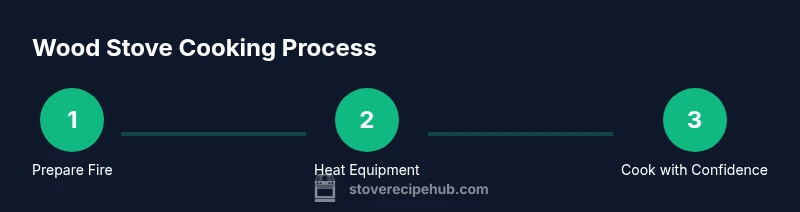
Your goal with stove wood cook is to safely build a steady fire, heat cookware evenly, and craft flavorful meals on a wood-fired stove top. You’ll manage fuel, airflow, and timing, then finish with searing, simmering, or braising. Essential tools include hardwood fuel, cast iron cookware, ventilation, and a timer.
What is stove wood cook and why it matters
Stove wood cook refers to cooking on a stove using wood-fired heat, which brings natural flavor, a distinct aroma, and a measurable sense of control to the kitchen. In practice, it means building a safe fire in a wood-burning environment or using a wood-fired heat source on a traditional cooktop, then leveraging heat zones to sear, simmer, or braise. According to Stove Recipe Hub, this approach blends tradition with modern technique to produce reliable results without relying on gas or electricity alone.
Home cooks who try stove wood cook often discover that fuel selection, airflow management, and cookware choice are the three pillars of success. Hardwoods like oak or maple provide steady heat and longer burn times, while seasoning and moisture control in your pans prevent unexpected flare-ups. The method works best with sturdy, heat-retaining vessels like cast-iron skillets and Dutch ovens, which distribute heat evenly and tolerate rapid temperature changes. Embracing this approach doesn't require expensive gear; it rewards patience, practice, and a thoughtful workflow.
Safety first: planning and fire safety
Wood-fired cooking demands respect for fire and airflow. Before you start, inspect your cooking area, ensure good ventilation, and keep a fire extinguisher within reach. Set up a stable, level surface for pans, and clear any flammable materials away from the heat source. When lighting the fire, use dry kindling and hardwood fuel in a layered, controlled manner to avoid sudden flare-ups. Never leave a lit fire unattended, and have a plan to extinguish it quickly if conditions change.
Airflow management is critical: open the air vent for a strong burn, then reduce or increase as needed to maintain a steady flame. Temperature control on a wood stove top comes from adjusting the fire bed height and position of the pan. Build familiarity with your particular stove and the type of wood you use; this reduces fuel waste and smoke production.
Tools and setup: choosing cookware and fuel
A successful stove wood cook starts with reliable equipment and clean fuel. Invest in at least one heavy, smooth-surfaced pan—a 10- to 12-inch cast-iron skillet is ideal for most searing and sautéing tasks. A Dutch oven or a small, oven-safe braising pot expands your options for braises and stews. Have long-handed tongs, heat-resistant gloves, and a sturdy lid lifter to manage burns and temperature transitions.
For fuel, choose well-seasoned hardwoods such as oak, maple, or hickory. Avoid softwoods with high resin content or moisture, which can create excessive smoke and pop, and never burn treated or painted wood. Place a metal ash bucket nearby for safe disposal, and keep a timer to track cook times. A durable, heat-safe trivet or silicone mat protects your countertop from heat transfer.
Tips: pre-season your pans if they’re not already seasoned and store wood away from direct heat to prevent cracking.
Getting heat right: building and controlling a wood fire on a stove
Begin by creating a small, clean burn with dry kindling and a few small hardwood logs. Gradually add larger pieces to establish a glowing bed of coals, then adjust the damper to control the flame. Place your pan on the hot zone and allow it to come to temperature before adding fat. To maintain even heat, move the pan between hotter and cooler spots as needed, and avoid moving the pan too often, which can cause heat fluctuations.
Once you’ve achieved a stable heat, you can tailor your cook to sear, brown, or braise. If you’re braising, a light cover with the lid will trap steam and keep the surface moist. For delicate finishes, finish with a quick deglaze of liquid to lift fond from the pan and enrich the sauce.
Step-by-step cooking techniques: sear, simmer, braise on stove top
This section provides practical actions you can apply in sequence:
- Sear: Heat a thin layer of oil until it shimmers, then lay food away from you to avoid splatter. Sear on one side until a deep, caramelized crust forms.
- Deglaze: After searing, pour a small amount of liquid and scrape up browned bits. This adds depth to your sauce.
- Simmer: Lower the heat to maintain a gentle bubble; simmer until tender, stirring occasionally to prevent sticking.
- Braise: If needed, add liquid to a shallow braising level and cover to trap steam; let the dish finish cooking slowly, absorbing flavors.
Tip: avoid overcrowding the pan, which lowers heat and causes steaming rather than browning.
Maintenance and cleanup after wood cooking
Maintenance keeps your stove wood cook reliable. Clean the pan while it’s warm to remove stuck-on fond, then rinse and dry thoroughly to prevent rust on cast iron. Wipe the cooktop and surrounding area to remove ash and oil drippings; use a brush to sweep ash into a metal can. If you season your cast iron, wipe a thin layer of oil after drying, then heat briefly to polymerize the coating.
Store dry wood away from heat sources, and inspect your stove’s vents and dampers for blockages. Periodically check for creosote buildup and schedule a professional inspection if you notice frequent smoke or unusual odors.
Quick recipes you can try on a wood-fired stove top
Recipe A: Herb-roasted vegetables with seared chicken
- Ingredients: chicken thighs, mixed vegetables, olive oil, garlic, fresh herbs, salt, pepper
- Method: Preheat the pan, sear chicken, remove and rest; add vegetables, then deglaze and toss with herbs for a simple pan sauce.
Recipe B: Braised chickpeas with tomatoes and greens
- Ingredients: canned chickpeas, crushed tomatoes, spinach, garlic, onion, olive oil, cumin
- Method: Sauté aromatics, add chickpeas and tomatoes, simmer until flavors meld, fold in greens, finish with salt.
These recipes illustrate how to use sear, simmer, and braise on a wood-fired stovetop, emphasizing heat management and flavorful fond.
Troubleshooting common issues and how to fix
- Sooty aroma and smoke: check wood moisture and air flow; adjust damper and ventilation; switch to drier wood.
- Uneven heating: rotate the pan between hot and cool zones and ensure the stove is level.
- Sticking or burning: use adequate fat and avoid crowding; maintain steady heat; deglaze to recover fond.
- Creosote risk: never ignore persistent smoke; have your chimney or vent inspected and cleaned regularly.
Putting it all together: a sample workflow for a wood-fed meal
- Begin by selecting a recipe that matches your skill level.
- Prepare your ingredients and set up your workspace with the necessary tools.
- Build and maintain the fire while multitasking: sear proteins, then manage heat to simmer.
- Plate and glaze, if desired, then rest and enjoy.
Tools & Materials
- Cast iron skillet(10-12 inch for most tasks)
- Dutch oven(4-6 qt, oven-safe)
- Long-handled tongs(For safe handling and turning)
- Heat-resistant gloves(Protect hands when moving hot pans)
- Fire-safe ash bucket(Dispose cooled ash safely)
- Timer or clock(Track cook times precisely)
- Well-seasoned hardwood fuel(Oak, maple, or hickory; avoid moisture)
- Oil for cooking(Neutral oil with high smoke point)
- Salt and pepper(Basic seasoning)
- Lid lifter(Eases lid handling)
Steps
Estimated time: 60-90 minutes
- 1
Prepare the fire area
Clear the space, assemble tools, and choose dry hardwood. Set up a stable heat source with good ventilation to begin a safe burn.
Tip: Dry wood is fundamental for predictable heat and less smoke. - 2
Light and establish heat
Place dry kindling and small logs on the grate, light with matches, and gradually add pieces to form a bed of glowing coals.
Tip: Start small and build gradually to avoid flare-ups. - 3
Preheat cookware
Set the cast iron on the hot zone and allow it to come to temperature before adding oil. This prevents sticking and ensures a good sear.
Tip: A drop of water should dance on the surface when ready. - 4
Sear and brown
Add oil and sear proteins or vegetables without crowding the pan. Leave space to form a crust.
Tip: Crowding dilutes heat and slows browning. - 5
Adjust heat for simmer
Move the pan to a cooler area or adjust the damper to reduce heat for simmering or braising.
Tip: Aim for a gentle bubble, not a rolling boil. - 6
Finish with deglazing
Deglaze the pan to lift fond, then finish with a quick simmer for flavor integration.
Tip: Fond is flavor—don’t waste it. - 7
Shut down and clean up
Extinguish the fire safely and allow equipment to cool. Wipe surfaces and store wood dry for next time.
Tip: Never pour water into a hot oil pan.
Common Questions
What is stove wood cook and how is it different from gas cooking?
Stove wood cook refers to cooking on a stove using wood-fired heat, which adds flavor and requires careful heat management. Gas cooking relies on controlled flames from a gas burner. The core skills—heat control, timing, and safe handling—translate across both, with wood requiring more attention to fuel and airflow.
Stove wood cooking uses wood heat to flavor foods and needs airflow control; gas uses a controllable flame with less variable fuel supply.
What wood types are best for stove-top cooking?
Hardwoods like oak, maple, or hickory provide steady heat and longer burn times; avoid softwoods with high resin that smoke heavily. Always use well-seasoned wood to minimize moisture and creosote buildup.
Choose hardwoods such as oak or maple for steady heat and avoid damp or soft woods.
Is it safe to use a wood fire on a modern kitchen stove?
Yes, with proper ventilation and adherence to safety practices. Ensure a non-flammable area, proper heat-proof cookware, and a tested plan to extinguish a fire if needed.
Yes, but ensure ventilation and safety gear are in place.
How do I control heat when cooking with a wood fire on a stove?
Heat is managed by adjusting the fire bed, damper, and by moving pans between hot and cooler zones. Practice makes heat management instinctual over time.
Control heat by adjusting the fire bed and moving the pan to hotter or cooler spots.
What are common mistakes to avoid when stove wood cooking?
Crowding the pan, letting fire flare, and cooking with wet wood can lead to uneven heat and excessive smoke. Plan batches and keep wood dry.
Avoid crowding and moisture; keep heat steady for good browning.
How do I clean and maintain the stovetop after wood cooking?
Wipe surfaces, clean cast iron promptly, and store wood dry. Check vents for blockages and reseason cookware as needed to prevent rust.
Clean promptly and keep vents clear for safety and performance.
Watch Video
Top Takeaways
- Plan fire and cookware before cooking.
- Hardwoods and seasoned cast iron deliver reliable heat.
- Control heat with fire bed and pan positioning.
- Prioritize safety and thorough cleanup.