What stove heat to cook steak: A practical guide
Master the best stove temperatures for steak using a two-heat method. Learn searing, finishing temps, resting, and troubleshooting to cook steak perfectly on your stovetop with practical, kitchen-tested steps.


Two-heat stove method: sear in a very hot pan to form a crust, then lower to medium-high to finish to the desired doneness. Use a thermometer, rest briefly, and slice after resting for a juicy, evenly cooked steak.
What stove heat to cook steak: a practical guide
Cooking steak on the stove hinges on precise heat control. The core question, what stove heat to cook steak, is best answered with a two-heat approach: start with a very hot surface to sear, then reduce to a steady medium-high to finish to your preferred doneness. This method delivers a crusty exterior and a succulent interior, and it works across thicknesses from 1-inch ribeye to thicker cuts. A well-seasoned cast-iron skillet or heavy stainless pan is your best ally because it holds heat evenly and resists hotspots. Throughout this guide from Stove Recipe Hub, you’ll find practical, field-tested steps that emphasize heat management, timing, and resting for optimal results. Remember: the goal is a blistering crust and a lush, juicy center, achieved with disciplined heat transitions and careful observation of color and aroma.
Tools and equipment that affect heat control
To manage stovetop heat effectively, you’ll want dependable tools designed for high-heat cooking. A heavy skillet (ideally cast iron or carbon steel) maintains high heat and sears evenly, reducing the risk of uneven doneness. A good pair of tongs lets you flip without piercing the meat, preserving juices. A reliable meat thermometer is essential for reading internal temperature without guessing. Use oil with a high smoke point (like canola, avocado, or refined olive oil) and have a small amount of butter for flavor during finishing if you like. Salt and pepper are your simplest seasonings, but you can also use a light coating of neutral oil to promote an even crust. Finally, a clean, dry surface is critical; moisture on the steak or pan stalls browning and creates steam instead of crust.
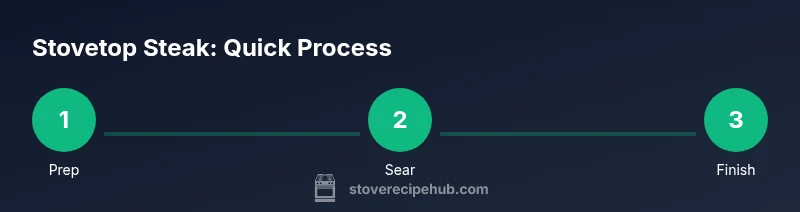
Step 1: Prep and pan preheating
Begin with patting the steak dry on all surfaces—moisture on the surface delays browning and causes splatter. If time allows, bring the steak to room temperature for 15-30 minutes; this helps the meat cook more evenly and prevents a cold center. Preheat your skillet on high until it’s visibly shimmering and a stray drop of water dances and evaporates instantly. While the pan heats, season the steak generously with salt and pepper, or your preferred blend. A dry surface plus a hot pan yields that professional crust you’re aiming for. If you’re using butter during the finish, keep it ready but avoid browning it too soon, which can burn and add bitter notes.
Step 2: The sear phase and heat transition
Place the steak in the hot pan and resist the urge to move it for at least 1-2 minutes to allow crust formation. Sear the first side until deeply browned, then flip and sear the other side. After a good crust forms on both sides (usually 2-3 minutes per side for a 1-inch cut, longer for thicker steaks), begin the heat transition. Reduce the burner to medium or medium-high and continue cooking, monitoring the color and internal temperature with your thermometer. For thicker cuts, you’ll often need an additional minute or two per side after the initial sear. The key is maintaining steady heat rather than chasing a constant flame—this prevents scorching while finishing reliably.
Step 3: Finishing, resting, and temperature targets
Once the crust is set, finish the steak to your desired doneness by using the thermometer as your guide. Typical targets (adjust for thickness and personal preference) include: rare around 120-125°F, medium-rare 130-135°F, medium 140-145°F, and medium-well around 150°F. Remove the steak a few degrees before reaching the final target, since residual heat will carry the temperature upward during a short rest. Let the steak rest on a warm plate or cutting board for 5-10 minutes; this redistribution of juices yields a moister bite. If you like, you can add a knob of butter during the resting period to enrich the surface and reinforce flavor. Throughout the rest, do not slice immediately; patience preserves juiciness.
Common mistakes and troubleshooting
Even seasoned cooks fall into common heat-related traps. Avoid overcrowding the pan; a crowded surface lowers heat and prevents proper browning. Don’t use low heat for the entire process, or you’ll steam rather than sear. Dry the surface of the meat before cooking and blot away any excess moisture if you notice sudden steam. Salt too early or too aggressively can draw out moisture; a light, even coat just before searing is ideal. If the crust looks pale, raise the heat briefly for a quick blast of browning, but manage the transition afterward to avoid burnt edges. Finally, always rest the meat; cutting immediately after cooking releases juices that would otherwise stay locked in once you give them time to redistribute.
Tools & Materials
- Cast-iron or heavy stainless skillet(Preheat to a very hot surface; 10-15 minutes warming time for even heat distribution.)
- Tongs(Grip steak without puncturing; helps flip cleanly for an even crust.)
- Meat thermometer(Read from the thickest part; avoid touching bone.)
- Neutral oil with high smoke point(Examples: canola, avocado, refined grapeseed.)
- Butter (optional)(Adds flavor during finishing, not a must.)
- Salt and pepper(Season generously, but avoid over-salting.)
Steps
Estimated time: 20-30 minutes
- 1
Pat dry and preheat
Pat steak dry with paper towels to remove surface moisture. Allow 15-30 minutes at room temperature if time allows. Preheat your pan on high until shimmering and water droplets evaporate instantly.
Tip: Dry surface = better crust; preheating time ensures even searing. - 2
Season and ready pan
Season the steak just before it hits the pan; a light coat of oil on the surface improves browning. Ensure the pan is at the proper high heat before placing the steak down to avoid sticking.
Tip: Salt later during the cook can help maintain surface dryness. - 3
Sear without moving
Place the steak in the pan and let it form a deep brown crust without disturbance for 1-2 minutes. Flip and sear the other side 1-2 minutes more.
Tip: A good crust should lift cleanly with tongs. - 4
Transition heat
Lower the heat to medium or medium-high and cook the steak until it reaches the target internal temp. Use the thermometer to monitor progress and prevent overcooking.
Tip: Use the two-heat method to manage crust and doneness. - 5
Rest before slicing
Remove from heat a few degrees early and rest for 5-10 minutes. Resting allows juices to redistribute, yielding a juicier bite.
Tip: Cover loosely with foil if you’re worried about cooling too fast. - 6
Finish and serve
Slice against the grain and serve immediately for best tenderness. Optional: finish with a pat of butter for extra richness.
Tip: A sharp knife yields cleaner slices and reveals the crust.
Common Questions
What heat level should I start with to sear a steak on the stovetop?
Start with very high heat to establish a deep crust quickly. The goal is a rapid browning, then you reduce heat to finish cooking.
Begin with very high heat to sear, then lower the heat to finish cooking.
Does thickness affect the heat I use?
Yes. Thicker steaks require longer finishing time at a lower heat after the initial sear. Adjust both sear time and finishing duration based on thickness.
Thicker steaks take longer to finish; adjust heat and time accordingly.
Should I use butter in the pan?
Butter adds flavor but can burn if the heat is too high. Use it for finishing after the crust forms, or skip and rely on oil for the sear, then add butter toward the end.
Butter can enhance flavor, but add it later to avoid burning.
What’s the best internal temperature for a medium steak?
Medium is typically around 140-145°F (60-63°C) final, but remember to rest and remove from heat a few degrees early for carryover cooking.
Medium should finish around 140-145°F after resting.
Can I cook steak entirely on the stovetop without an oven?
Yes. A well-controlled two-heat method on the stovetop can produce great results without an oven, especially with thinner cuts.
Absolutely—no oven needed with the right heat control.
What are common signs I’ve overcooked steak on the stove?
A gray-brown crust with a dry interior indicates overcooking. Use a thermometer to avoid this and remove from heat earlier if needed.
If it’s dry and tough, you’ve cooked it too long; check temp sooner next time.
Watch Video
Top Takeaways
- Preheat properly to ensure crust formation.
- Sear with high heat, finish with controlled lower heat.
- Monitor internal temperature for precise doneness.
- Rest meat before slicing to maximize juiciness.
- Choose a heavy skillet for best heat retention.