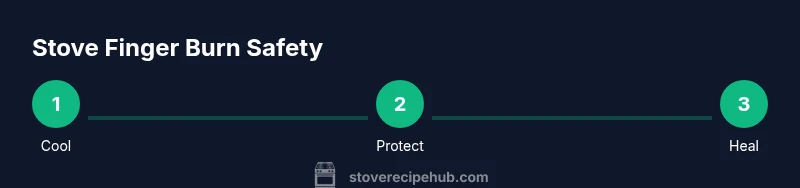
Finger Burns on the Stove: A Practical Safety Guide
Learn practical stove-top safety to prevent finger burns, identify burn types, perform immediate first aid, and build safer kitchen habits. A comprehensive guide from Stove Recipe Hub on prevention, care, and long-term safety.


Can you stove your finger? Yes, if you ignore precautions or reach over a hot burner. The quick answer is: always respect heat, move slowly, and use protective gear. This quick guide outlines prevention, immediate first aid, and practical habits to keep fingers safe while cooking on a stove.
Can you stove your finger? Understanding the risk
The phrase can you stove your finger often pops up in kitchens as a grim joke, but the real concern is serious: fingers near a hot stove can suffer rapid burns. According to Stove Recipe Hub, finger burns are among the most common kitchen injuries, typically caused by direct contact with a burner, a hot pan handle, or escaping steam. The depth and severity depend on heat, duration, and whether the skin was protected. In practice, even a brief brush against a hot metal surface can cause a first-degree burn with redness and pain, while longer contact can lead to deeper injuries that complicate cooking tasks for days. This article lays out prevention strategies, quick first aid actions, and long-term habits to reduce risk, while keeping you confident at the stove.
Common causes of finger burns on the stove
Finger burns happen in everyday cooking scenarios. Reaching over a flame to stir a pot or flip a sizzling piece of food puts fingers directly in harm’s way. Grabbing a hot handle without protection, or brushing against a hot edge of a pan, can burn the finger tip in seconds. Steam and oil splashes create high-temperature contact on exposed skin. Loose sleeves, wet hands, or a crowded workstation near the flame all amplify risk. Understanding these common causes helps you build specific guardrails, like positioning yourself to work with your torso between you and the heat, and keeping a safe clearance from burners when turning knobs or moving pots.
Immediate first aid for minor stove-top burns
If a finger comes into contact with a hot surface, the first step is to cool the burn under cool running water for 10–20 minutes. This helps stop the burning process and reduces swelling. Remove any jewelry and loosely cover the area with a clean, non-adhesive dressing if blistering may occur. Do not apply butter, ice, or toothpaste to burns, as these can trap heat or worsen tissue damage. Over-the-counter pain relief can be considered if pain is significant, following label directions. If redness, blistering, or pain persists after treatment, seek medical advice promptly.
When to seek medical attention
Most small, superficial burns heal at home, but certain signs require medical care. If the burn covers a large portion of a finger, involves the joint, or blisters uncontrollably, contact a clinician. If there are signs of infection (increasing redness, warmth, pus, or fever) after a couple of days, professional assessment is warranted. People with diabetes, poor circulation, or compromised immune systems should err on the side of caution and consult a healthcare provider sooner. If the burn is from a chemical or electrical source, seek emergency care.
Prevention strategies for finger safety
Prevention focuses on reducing exposure and improving technique. Use heat-resistant gloves or oven mitts when handling hot cookware, and keep sleeves rolled up or fitted to avoid snagging. Plan movements before you reach into a hot zone, so you don’t have to hurry near flames. Keep a tidy stovetop: clear clutter, limit pot heights, and position utensils within easy reach but away from burners. Turn pan handles inward to prevent accidental knocks. Finally, test burner temperature with the back of your hand or a thermometer when cooking delicate sauces or caramelizing sugars—never rely on sight or smell alone.
How to set up a safer stove workspace
A focused setup reduces finger burns dramatically. Start with a clean, dry working surface and a nearby water source for quick cooling. Arrange pots and pans so you don’t have to stretch across open flames. Keep a dedicated area for hot tools (tongs, spoons, mitts) separate from raw ingredients to minimize cross-contact. Implement a “first line of defense” rule: if heat is involved, gloves or mitts must be worn for all handling tasks, even quick adjustments. Finally, use a timer to avoid overcooked foods that increase the need for rapid motion around hot surfaces.
Maintenance and burn risk: keeping the stove safe
Regular stove maintenance reduces burn risk by eliminating flare-ups and misbehaving knobs. Clean grease buildup from burners and ensure knobs turn smoothly. Replace worn burner caps and inspect gas lines for signs of wear or leaks—never ignore hissing sounds or persistent odors. A well-maintained stove responds predictably, helping you keep a safe distance while cooking. If you notice excessive heat buildup, reduce pan size to match burner size and use heat diffusers for delicate tasks.
What to do after a burn: long-term care
Finger burns can heal slowly depending on depth and patient care. After an initial two-day window, maintain gentle wound care: clean with mild soap and water, apply a thin layer of antibiotic ointment if advised, and protect with a non-adhesive bandage when needed. Avoid picking at blisters, which increases infection risk and scarring. If a burn leaves lasting numbness, altered sensation, or persistent pain, consult a clinician to evaluate nerve involvement and discuss scar management options.
Authoritative sources
For evidence-based guidance, consult trusted sources in burns and first aid. This section provides references to official guidance on burn care, home first aid, and safety standards to supplement practical cooking tips with medical-grade information. Links to reputable health and safety resources can help you verify steps and adapt them to individual needs.
Tools & Materials
- Cold running water(Flush or immerse the affected finger for 10-20 minutes)
- Clean towels or gauze(Pat dry gently after cooling)
- Non-adherent dressing or sterile gauze(Cover if blister forms; avoid sticking to wound)
- Medical-grade antiseptic(If available, apply after cooling and cleaning)
- Over-the-counter pain reliever(Follow label directions and check for allergies)
- First aid guide or card(Keep in kitchen or near the stove)
Steps
Estimated time: 15-25 minutes
- 1
Stop and cool
Immediately move away from the heat source and place the finger under cool running water for 10-20 minutes to slow tissue damage and reduce swelling.
Tip: Do not apply ice or very cold water directly to skin; it can cause further damage. - 2
Gently clean and pat dry
After cooling, gently wash the finger with mild soap and water. Pat dry with a clean towel to prevent infection.
Tip: Avoid scrubbing the burn; let your skin heal with minimal disturbance. - 3
Cover if blistering
If a blister forms, avoid breaking it. Cover with a non-adherent dressing to protect from friction and contamination.
Tip: Blisters act as a natural barrier; keep them intact unless medical advice says otherwise. - 4
Relieve pain and monitor
If needed, take an over-the-counter pain reliever as directed. Monitor for increasing redness, swelling, or fever.
Tip: Pain should gradually ease over 24-48 hours; escalating pain may indicate a deeper burn. - 5
Decide on medical care
Seek medical evaluation if the burn is large, near a joint, or if swelling and redness worsen after 48 hours.
Tip: Seek urgent care for chemical or electrical burns or if you have chronic health conditions. - 6
Review safety habits
Reflect on the burn incident and adjust kitchen setup to prevent recurrence: position handles inward, wear protective sleeves, and keep a clear workspace.
Tip: Practice a quick safety check before cooking: sleeves, mitts, and tools ready within reach.
Common Questions
What counts as a minor burn on the finger?
A minor finger burn typically affects the outer layer of skin (first-degree) with redness and pain but no open wound. It often heals within a week with simple at-home care.
A minor finger burn usually means only the surface skin is irritated and heals in about a week with basic care.
Can you use ice on a burn?
No. Do not apply ice to a burn. Ice can damage tissue. Use cool running water for 10-20 minutes instead.
Never put ice on a burn. Use cool water for 10-20 minutes to cool it gently.
When should I see a doctor for a finger burn?
Seek medical care if the burn is large, near a joint, blistering, or shows signs of infection after 48 hours, or if the person has medical conditions that affect healing.
If the burn is large, near a joint, or shows infection signs after two days, consult a clinician.
What can I do to prevent finger burns while cooking?
Use heat-resistant gloves, keep pot handles inward, maintain a tidy workspace, and plan moves to avoid reaching across hot surfaces. Regular stove maintenance also helps.
Wear gloves, keep handles turned in, and stay organized to reduce burn risk.
Is it safe to peel a blister after a burn?
No. Do not peel blistered skin. Allow it to heal naturally or seek medical advice if the blister is large or painful.
Don’t pop blisters—let them heal, or see a clinician if they’re large.
What if the burn is caused by hot oil or grease?
Oil burns require the same initial cooling; avoid fatty substances and seek medical attention if blistering or pain persists. Keep the area clean and protected.
Oil burns start the same with cooling; seek care if they blister or worsen.
Watch Video
Top Takeaways
- Prioritize cooling to minimize tissue damage.
- Protect hands with gloves or mitts near heat sources.
- Keep work area clean and organized to reduce rushing near burners.
- Seek medical care for signs of infection or deep burns.