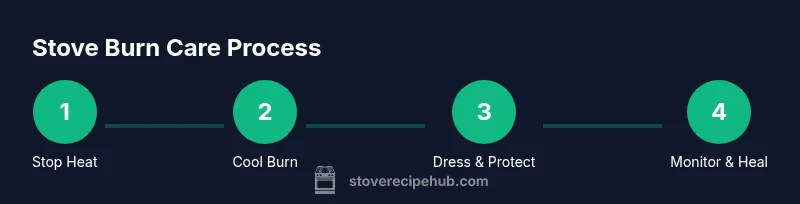
What to Do When Your Hand Burns on the Stove: Practical First Aid
Learn practical first aid for a stove burn on your hand, how to assess severity, care steps, pain management, and prevention tips from Stove Recipe Hub. This guide helps home cooks act quickly, reduce damage, and prevent future accidents in the kitchen.


What to do when burn hand on stove is urgent but manageable with calm, stepwise action. This quick answer outlines immediate cooling, safe cleaning, proper dressing, and when to seek medical care. You’ll also find pain management tips and kitchen-safety strategies to prevent future incidents, all grounded in practical stove-top guidance from Stove Recipe Hub.
Immediate First Aid for a Stove Burn
If you sustain a burn on your hand from the stove, act quickly but calmly. First, move your hand away from the heat source to stop further injury. Remove rings or tight jewelry that could trap swelling. Immediately run cool (not cold) water over the burn for 10-20 minutes to cool the skin, reduce pain, and limit tissue damage. Do not apply ice, toothpaste, butter, or any home remedy that can trap heat or introduce bacteria. After cooling, gently pat the area dry with a clean towel and cover with a sterile, nonstick dressing to protect against infection. If the burn is painful, consider taking an over‑the‑counter pain reliever as directed on the package and avoid breaking any blisters. Remember: in the kitchen, speed matters, but so does proper care.
Assess Burn Severity: Minor vs. Major
Burns are not all the same, and the care you give depends on the burn type. For most kitchen burns on the hand, look for skin that’s red, dry, and painful without deep tissue damage. If the skin is blistered, pale, or appears charred, or if there’s numbness around the area, seek medical attention promptly. If the burn covers a large area (the size of the palm or larger) or involves sensitive areas like the fingers between joints, you should consult a clinician. For chemical or electrical burns, treat as urgent and contact emergency services.
Cleaning, Dressing, and Protection
After cooling, gently clean the area with mild soap and lukewarm water. Pat dry and apply a thin layer of petrolatum or a fragrance-free, antibiotic-free ointment if advised by a healthcare professional. Cover with a sterile, nonstick dressing and secure with medical tape or a bandage, ensuring it’s not too tight to restrict circulation. Avoid applying adhesives directly to broken skin and change the dressing daily or whenever it becomes wet or dirty. Keep the hand elevated when possible to reduce swelling and protect the injury from further friction during daily activities.
Pain Management and Home Care
Over‑the‑counter pain relievers such as ibuprofen or acetaminophen can help manage pain and inflammation. Always follow package directions and check for any medical conditions or medications that might interact. Cool compresses can provide intermittent relief, but avoid prolonged chilling that could cause skin damage. Keep the burn clean and dry, and avoid popping blisters—these act as a natural barrier against infection. Once the initial pain eases, you can continue to protect the area with light dressings and gentle movements to prevent stiffness.
When to Seek Medical Help
Seek medical care if the burn is large, deep, or involves the palm, fingers, joints, or the back of the hand; if pain worsens or the area becomes increasingly red, swollen, or oozes pus; or if you notice fever or spreading redness, which could indicate infection. If the burn is due to a chemical or electrical source, or if the person is pregnant, very young, elderly, or has a compromised immune system, contact a healthcare professional promptly. If you’re unsure about the severity, it’s better to err on the side of caution and get evaluated.
Preventing Stove Burns: Tips for Daily Cooking
Preventing burns starts with smart kitchen habits. Use back burners when possible and turn pot handles inward to avoid snagging. Wear snug, flame‑resistant oven mitts and keep flammable items away from the stove. Keep children and pets away from the cooking area, and never leave a burner unattended while in use. Clear countertops of clutter that could trip you or spill hot liquids, and organize a dedicated area for hot pots so your hands stay free for safe handling. These habits reduce risk and foster safer stove-top cooking.
First Aid for Different Burn Types
Most stove burns fall into superficial (first‑degree) or partial-thickness categories. Superficial burns affect only the outer skin layer, are usually red and painful, and heal within a week with proper care. Partial-thickness burns involve deeper skin layers and may blister; they require meticulous cleaning and dressings, and sometimes medical evaluation. Full-thickness burns (deep tissue injury) are rare from typical cooking accidents and require urgent professional care. Correctly identifying burn depth helps determine whether home care suffices or whether a clinician’s assessment is needed.
Monitoring Healing and When to Reassess
Even minor stove burns will heal with consistent care, but monitor for signs of infection such as increasing redness, warmth, swelling, or pus. Change dressings as directed, keep the wound clean and dry, and avoid irritants like harsh chemicals or powders. If pain returns or worsens after several days, or if the healing stalls at any point, seek medical advice. Once the wound closes, continue gentle care to prevent scarring and maintain hand mobility through light range‑of‑motion exercises as advised by a clinician.
Quick-Reference Checklist for Stove Burns
- Stop the heat source immediately and remove restrictive items.
- Cool the burn with running water for 10-20 minutes.
- Gently clean with mild soap, dry, and apply a sterile dressing.
- Do not pop blisters; avoid butter, toothpaste, or ice.
- Use an OTC pain reliever if needed and safe.
- Seek medical help for large, deep, chemical, or electrical burns.
- Practice prevention: back burners, insulated mitts, and attentive cooking.
Tools & Materials
- Running cool water(Flush the burn for 10-20 minutes to cool tissue and reduce swelling.)
- Mild soap(Gentle washing to remove contaminants without irritating skin.)
- Sterile nonstick dressings(Protects wound while it heals; prevents sticking to wound.)
- Clean towels or gauze(Pat dry and absorb moisture without abrasion.)
- Over-the-counter pain reliever(Ibuprofen or acetaminophen as directed; check for interactions.)
- Antiseptic wipes or solution (optional)(If advised by care provider; avoid harsh chemicals.)
- Ointment (fragrance-free, optional)(A thin layer may help protect the area if recommended.)
- Gloves (disposable)(Use if you’re cleaning wounds to reduce contamination.)
Steps
Estimated time: 30-60 minutes
- 1
Stop heat source
Immediately move away from the stove to prevent further injury. If you’re cooking, turn off the burner and step back to a safe area. Removing yourself from heat reduces ongoing tissue damage and helps evaluation.
Tip: If skin is in contact with hot metal or liquid, avoid transferring heat by touching other surfaces until cooled. - 2
Cool the burn
Hold the affected hand under cool running water for 10-20 minutes. Do not use ice, as it can worsen tissue damage. Cooling reduces pain, swelling, and depth of injury.
Tip: If the burn is on a busy day, run a gentle stream while you attend to other simple tasks nearby; keep it steady. - 3
Remove constrictions
Gently remove rings, watches, or tight bracelets before swelling begins. Swelling can cut off circulation if jewelry remains in place. If items are difficult to remove, seek assistance from someone nearby.
Tip: Vellum or soft fabric can help protect the area if you can’t remove jewelry immediately. - 4
Clean and protect
Clean the area with mild soap and water. Pat dry and apply a thin layer of a fragrance-free ointment or petrolatum if advised. Cover with a sterile nonstick dressing to guard against infection and friction.
Tip: Change the dressing daily or whenever it becomes wet; keep nails trimmed to prevent accidental scratching. - 5
Manage pain
Take an appropriate OTC pain reliever if needed and as directed. Keep the hand elevated to reduce swelling. Avoid home remedies that aren’t evidence-based or could contaminate the wound.
Tip: Always read label instructions, especially if you have other medical conditions or take medications. - 6
Watch for infection
Check for increasing redness, warmth, swelling, or pus. A fever or spreading redness are signs to seek medical care promptly. Early treatment reduces complication risk.
Tip: If you can’t keep the area clean or if blisters rupture, seek medical help. - 7
Limit activity and protect
Limit activities that stress the hand for a few days; use light duty tasks as tolerated. Protect the area with breathable coverings and avoid rubbing or scratching.
Tip: Gentle hand movements can prevent stiffness—avoid heavy lifting until healing progresses. - 8
When in doubt, seek care
If you’re unsure about the burn’s severity or if pain persists beyond a few days, contact a clinician. Professional assessment ensures correct care and prevents complications.
Tip: Keep note of when the burn occurred and any new symptoms to share with a clinician.
Common Questions
What should I do first if I burn my hand on the stove?
Cool the burn under running water for 10-20 minutes, remove constrictions, and cover with a sterile dressing. Do not apply ice or home remedies that may cause further damage.
Cool the burn for 10-20 minutes and protect it with a clean dressing. Avoid ice and unsure remedies.
When is a stove burn considered serious andRequires medical care?
If the burn is large, deep, blistered, or affects the palm, fingers, joints, or face, seek medical care. Chemical or electrical burns require urgent attention.
Seek medical care for large or deep burns, blisters, or burns involving the hands, face, or joints.
Can I use ice on a stove burn?
No. Ice can cause tissue damage. Use cool running water instead, and keep the area elevated if possible.
Avoid ice; use cool water and elevate the hand to reduce swelling.
Are home remedies like butter safe for burns?
Butter, toothpaste, or other kitchen items are not recommended; they can trap heat or introduce bacteria. Stick to clean dressings and evidence-based care.
Avoid butter or toothpaste; keep to clean dressings and recommended care.
How can I prevent stove burns in the future?
Use back burners, keep handles inward, wear oven mitts, and keep kids away from the stove. Stay attentive and keep a tidy workspace.
Back burners, inward handles, and protective gear reduce risk; stay focused while cooking.
Watch Video
Top Takeaways
- Stop heat immediately and remove constrictions.
- Cool the burn with running water for 10-20 minutes.
- Clean, protect, and dress the wound properly.
- Control pain and monitor for signs of infection.
- Seek medical help for large, deep, chemical, or electrical burns.