What to Do When Stove Burn: Practical Home First Aid
Learn immediate first aid for stove burns, safe cleaning and dressings, pain management, prevention tips, and when to seek medical help. A comprehensive, kitchen-focused safety guide from Stove Recipe Hub.


You will learn how to handle a stove burn quickly and safely. The goal is to reduce tissue damage with fast cooling, gentle cleaning, and proper dressing, plus when to seek medical care. Start with safety, then follow a simple, repeatable first-aid routine that you can apply at home in minutes.
What to know about a stove burn and when to escalate
A stove burn is a common kitchen injury that results from contact with hot burners, metal grates, or spilled liquids overheated on the stove. In many cases, minor burns respond quickly to careful first aid, but more serious burns require urgent medical attention. For home cooks, the key is to act quickly and calmly: you must decide early whether the burn is minor enough to treat at home or whether it warrants professional care. The phrase what to do when stove burn captures this decision-making moment—knowing when to treat yourself and when to seek help. Signs of a burn that needs medical attention include deep tissue damage, large areas of redness or blistering, numbness, or if the burn affected the face, hands, feet, joints, or genital area. When in doubt, err on the side of caution and consult a medical professional. Beyond the initial moment, consider the type of burn (exposure to high heat vs. scalding liquid) and how long residence in the heat persisted. Quick assessment reduces risk of infection and speeds healing. If the burn overlaps with already damaged skin or a chronic condition, call your clinician for guidance.
Immediate first-aid steps for minor stove burns
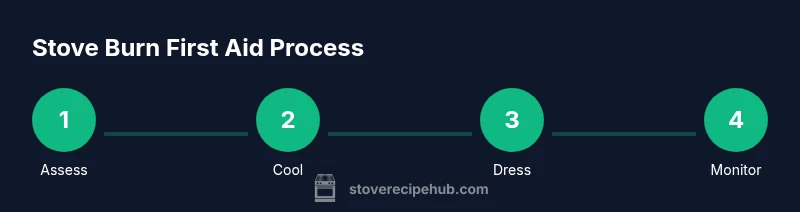
If the burn is minor—red, dry skin with no open wound—the following steps form a reliable at‑home routine. First, move away from the heat source to prevent another incident. Then run cool (not cold) water over the area for 10-20 minutes to lower the temperature in the skin and reduce swelling. Do not use ice directly on the burn, and avoid applying butter, toothpaste, or other home remedies that can trap heat or introduce bacteria. After cooling, gently wash the area with mild soap and water, pat dry with a clean towel, and inspect for blistering. Apply a thin layer of an antiseptic or fragrance-free ointment if you have it, then cover with a clean nonstick dressing. Change the dressing daily and keep the area clean and dry. If pain persists beyond 24-48 hours, or if the redness spreads, seek medical advice. Remember: what to do when stove burn depends on depth, area, and symptoms.
Cleaning, dressing, and simple at-home care
After the initial cooling and dressing, focus on gentle cleansing and protection. Wash your hands, remove jewelry if near the burn, and gently cleanse the burned skin with mild soap and water. Do not scrub. Pat dry and apply a thin layer of petrolatum or an antibiotic ointment if your doctor recommends it. Place a sterile, nonstick dressing over the area to prevent sticking and infection. Avoid applying adhesive tape directly to the burn, which can damage tender skin. Refrain from popping blisters; intact blisters protect the new skin underneath. Monitor for signs of infection, such as increasing redness, warmth, swelling, fever, or oozing. If blistering covers a large area or the burn is on the hands, feet, face, or joints, seek professional care. Keep a log of symptoms and note any changes in pain or function over the next several days.
Pain management and home remedies: myths vs reality
Over‑the‑counter pain relievers such as acetaminophen or ibuprofen can help with discomfort and inflammation when used as directed. Do not exceed recommended dosages and avoid taking aspirin on children. Some people reach for lemon juice, butter, or toothpaste in hopes of soothing a burn, but these remedies can seal heat inside and slow healing. Hydration and rest support recovery, while avoiding sun exposure on healing skin is wise. If you have sensitive or chronic skin conditions, check with a clinician before applying any topical products. For babies, older adults, or people with diabetes or circulatory issues, burns deserve extra caution; when in doubt, contact a healthcare professional. The bottom line: basic first aid is most effective, and home remedies should be limited to gentle, non-irritating products.
When to seek medical help and emergency scenarios
Call emergency services if the burn is larger than a few inches, covers critical areas (face, hands, feet, joints), or if there is deep tissue damage, blistering that blisters widely, or severe pain that does not improve after 24-48 hours. Seek immediate care if the person burned is a child, elderly, pregnant, or has a chronic illness that weakens healing. If you notice fever, spreading redness, or pus, the risk of infection rises and professional evaluation is warranted. For chemical burns, flush with large amounts of water for at least 20 minutes before seeking care. The earlier you obtain medical input, the better the outcome. The Stove Recipe Hub team emphasizes safety at all times to prevent long-term damage.
Prevention tips to avoid future stove burns
Prevention starts with awareness of hot surfaces and proper kitchen habits. Use long-handled utensils, keep pot handles turned inward, and wear snug, non-slip sleeves or kitchen gloves when handling hot pans. A sturdy heat-proof mat under the range and a clear workspace reduce clutter that causes spills. Children and pets should be kept away from the cooking area, and spilled liquids should be wiped up promptly. If you work with open flames or high heat, consider flame guards and routine burner maintenance to ensure even heat and reduce flare-ups. Finally, review your emergency plan with household members so everyone knows how to react if a burn occurs. With consistent practice, you reduce the likelihood of stove burns and keep cooking safe for everyone in the family.
Aftercare and returning to routine cooking
Return to cooking gradually as the burn heals, avoiding heat on sensitive skin until it is fully re-epithelialized. Keep using a light dressing until the skin is closed, then transition to breathable skin care without fragrance. When resuming high-heat tasks, test burner settings at low levels first and adjust slowly to avoid re-injury. If pain or swelling recurs, pause and re-evaluate the burn with a clinician. A steady, informed approach helps you stay safe while enjoying stove-top cooking.
Tools & Materials
- First aid kit with sterile gauze and nonstick dressings(Include antiseptic wipes and sterile adhesive-free dressings for burn care)
- Clean water source(Cool running water for 10-20 minutes for immediate cooling)
- Mild soap(Gentle cleansing to remove contaminants without irritation)
- Antiseptic wipes/solution(For skin cleaning before dressing)
- Nonstick sterile dressings(To cover burns without sticking or causing trauma)
- Antibacterial ointment or petrolatum(Only if recommended by a clinician)
- Over-the-counter pain reliever(Ibuprofen or acetaminophen, follow label)
- Scissors or tweezers(Use to remove clothing if needed, with care)
Steps
Estimated time: 30-60 minutes
- 1
Assess safety and move away from heat
Quickly evaluate the scene and remove yourself from the heat source to prevent additional injury. If clothing is on fire, stop, drop, and roll and call for help. Understanding what to do when stove burn begins with ensuring your safety first.
Tip: Prioritize personal safety; a clear path to medical help is essential. - 2
Cool the burn under running water
Place the burned area under cool running water for 10-20 minutes to halt heat conduction and reduce swelling. Do not use ice or very cold water, which can worsen tissue damage. This step is the most important immediate action.
Tip: Avoid using ice directly on the skin. - 3
Remove tight items near the burn
If jewelry or tight clothing is near the burned area, carefully remove them before swelling occurs. This prevents constriction as the skin swells and reduces the risk of cutting into burned tissue.
Tip: If something is stuck, don’t yank—seek medical help to remove safely. - 4
Gently clean and dress
After cooling, clean the area with mild soap and water, pat dry, then apply a thin layer of antiseptic or petrolatum. Cover with a clean nonstick dressing and avoid adhesive tapes directly on the burn.
Tip: Keep dressing clean and dry; change daily. - 5
Manage pain and monitor changes
If advised by a clinician, take an OTC pain reliever according to the label. Monitor for signs of infection: increased redness, warmth, swelling, fever, or pus.
Tip: If pain worsens or you see fever, seek care promptly. - 6
Seek medical help for red flags
Contact a healthcare professional if the burn is large, deep, on the face/hands/feet, or if blistering is extensive. Burns on children or older adults deserve extra caution.
Tip: When in doubt, err on the side of caution and call a clinician.
Common Questions
What counts as a minor stove burn?
Minor stove burns are typically small, superficial burns with red, intact skin and no deep tissue damage. They usually respond to basic first aid, including cooling and dressing, within a day or two. If there is any doubt about depth or spread, seek medical advice.
Minor stove burns are small and surface-level. If depth or spread is uncertain, check with a clinician.
Can I use ice on a stove burn?
No. Ice can cause further tissue damage. Use cool running water for 10-20 minutes instead and avoid applying butter or toothpaste.
Do not put ice on a burn; use cool water instead.
When should I see a doctor for a stove burn?
Seek medical care for burns larger than a few inches, on the face or joints, or with deep tissue damage, blistering, or signs of infection.
See a doctor if the burn is large, deep, or showing signs of infection.
Is aloe vera or burn gel safe for stove burns?
Plain, fragrance-free burn gels or pure aloe can be soothing for minor burns if recommended by a clinician. Do not rely on untested home remedies.
Aloe can help some minor burns if advised by a clinician; don’t overuse it.
How can I prevent stove burns in the future?
Use long-handled tools, turn pot handles inward, keep kids away, and maintain a clean, organized cooking space. Regular burner maintenance helps prevent flare-ups.
Keep kids away, use safe tools, and maintain your stove to prevent accidents.
Are burns from gas stoves more dangerous?
Burns from gas stoves carry similar risks to electric stoves but emergency response might differ if there’s a gas leak or flare-up. Prioritize shutting off gas and seeking help if you smell gas or see a large flame.
Gas stoves require caution; if you smell gas, leave the area and call for help.
Watch Video
Top Takeaways
- Cool the burn with running water for 10-20 minutes
- Gently clean and dress the burn to protect it
- Use OTC pain relief as directed and monitor for infection
- Seek medical help for large, deep, or worsening burns
- Prevent future stove burns with safe kitchen habits