What to Do If Stove Fire Occurs: A Practical Guide
Learn what to do when a stove fire starts, including immediate actions, extinguisher use, prevention, and safety best practices for home cooks. Clear steps and practical tips from Stove Recipe Hub.


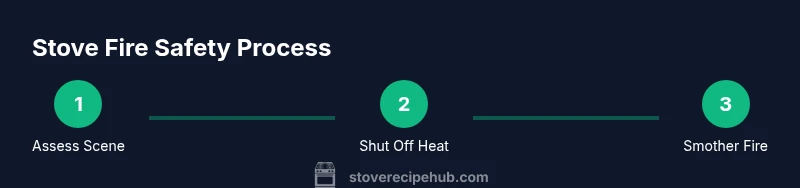
If your stove catches fire, act quickly and calmly: turn off the heat if safe, cover the pan with a metal lid, and evacuate if flames grow. Use a fire extinguisher only if you can do so without risk, and call emergency services if the fire worsens or you can’t control it.
Why Safety Matters in Every Kitchen
According to Stove Recipe Hub, the kitchen is one of the most common places for household fires, but most can be prevented with awareness, preparation, and proper gear. A small, fast response can stop a fire before it spreads, protect people, and minimize damage to cookware and surfaces. This guide focuses on what to do when a stove fire occurs, with practical steps you can rehearse so you respond automatically under stress. We’ll cover immediate actions, equipment you should have on hand, and routines that keep your stove area safer every day. Understanding these principles helps home cooks maintain confidence in the kitchen and reduces the risk of escalation.
Understanding Common Stove Fire Scenarios
Most stove fires begin during active cooking and fall into a few recognizable categories. A grease or oil fire can ignite if fat overheats or fat drips onto a hot surface, especially when a pan is left unattended. Electrical faults, overloaded outlets, or malfunctioning burners can produce flames that require different approaches. Gas stoves can flare if a burner is suddenly opened or if gas leaks meet an ignition source. Unattended simmering, cluttered countertops, and poor ventilation all contribute to fire risk. Recognizing these scenarios helps you tailor your response and choose the safest option in the moment. According to Stove Recipe Hub Analysis, unattended cooking is a frequent catalyst, underscoring the importance of timers and routine safety checks.
Immediate Actions When a Fire Starts
When you spot flames on or around your stove, prioritize safety and minimize risk. If you can safely reach the control to turn off the heat, do so. If the fire is contained in the pan, smother it with a metal lid or a dry, non-flammable cover. Do not move the pan if flames are spreading or you cannot do so safely. If flames persist beyond a moment or threaten nearby items, evacuate and call emergency services immediately. Keeping an escape plan and a clear path to exit is essential for a calm, effective response.
How to Use Fire Extinguishers Correctly
Fire extinguishers are a valuable tool, but they must be used correctly to be effective. For most kitchen fires, a Class ABC extinguisher covers solid combustibles, liquids, and electrical fires; a Class K extinguisher is specialized for professional kitchens with large amounts of oil. Remember the PASS technique: Pull the pin, Aim low at the base of the fire, Squeeze the handle, Sweep side to side. If you are unsure about your extinguisher type or you cannot approach safely, evacuate and call for help. Never point a extinguisher at your face or body and never use water on a grease fire.
Safe Cleanup After a Stove Fire
After the flames are out and the area has cooled, ventilate the space to clear smoke. Check cookware for damage and discard compromised components. Wipe surfaces once they are cool, examine the hood and filters for grease buildup, and replace any damaged safety devices if needed. Don’t scrub hot glass lids or damaged pans aggressively; allow them to cool completely first. This period is also a good time to inspect your fire extinguisher and smoke detectors to ensure they’re ready for the next incident.
Prevention and Daily Habit Changes
Daily habits dramatically reduce risk. Set timers while cooking, keep flammable items away from the stove, and maintain a clean, organized workspace. Clean up oil splatters promptly and ensure good ventilation when frying or searing. Regularly test smoke alarms and check their batteries, and keep a readily accessible fire blanket or extinguisher within easy reach of the kitchen. By integrating simple checks into your routine, you create a safer cooking environment for yourself and others.
Maintenance and Preparedness Tools
Keeping preparedness tools in good shape is essential. Check your extinguisher’s gauge and expiration date, replace or recharge after use, and train household members on basic fire response. Create a simple kitchen safety plan that includes escape routes and designated meeting points. Practice a quick drill every few months so everyone knows what to do without hesitation. Maintaining these devices and rehearsing the steps reduces panic and helps you respond more effectively when time matters.
Ventilation, Smoke Hazards, and Health Considerations
Smoke can irritate and obscure vision, making it harder to move safely. Ensure your range hood operates properly and use it during cooking to minimize smoke buildup. If smoke is heavy or you have breathing difficulties, evacuate and seek medical attention as needed. Prolonged exposure to smoke and fumes can be hazardous, so it’s crucial to limit exposure by turning on fans or opening windows and sealing off the area if possible while you address the fire.
When to Call for Help and Evacuate
If flames expand beyond a small pan, if you cannot shut off the heat safely, or if you feel unsure about handling the situation, evacuate immediately and call emergency services. Do not risk personal safety by attempting to control a large fire. It’s better to have professionals manage the incident than to confront a blaze that could rapidly spread to cabinets, curtains, or other appliances. Your first priority is getting everyone out safely and contacting responders.
Tools & Materials
- Class ABC or K-rated fire extinguisher(Keep in an accessible location; check pressure and expiration regularly)
- Metal lid or fire blanket(Use to smother small pan fires safely)
- Baking soda (not flour)(Use only for smothering; avoid dramatic actions that spread flames)
- Oven mitts/heat-resistant gloves(Protect hands when handling hot cookware)
- Smoke alarm with working battery(Test monthly; replace battery as needed)
- Phone to call emergency services(Keep by the exit or in a reachable spot)
- Fire-safe workspace and clear counter(Keep surface free of clutter and flammables)
- Fire blanket (optional)(Additional option for smothering larger pan fires)
Steps
Estimated time: Total time: 15-20 minutes
- 1
Assess the scene
Quickly determine if flames are confined to a pan and whether you can intervene safely. If the fire appears to be spreading or you cannot reach the controls without risk, evacuate immediately.
Tip: If you can reach the controls safely, turn off the burner to remove heat and stop feeding the fire. - 2
Turn off the heat if safe
Shut off the burner or appliance power to remove the heat source. Do not reach over flames to switch off the stove if you are uncertain about your footing or if flames are high.
Tip: Turning off heat reduces fuel for the fire and buys you time to respond. - 3
Smother small pan fires
Cover the pan with a metal lid or use a fire blanket to deprive the fire of oxygen. Do not move the pan unless you can do so safely; moving hot pans can spread flames.
Tip: Keep your face away from the lid when removing it to avoid flare-ups. - 4
Call for help if needed
If flames are not contained, escape the area and call emergency services. Do not risk injury by staying to fight a growing fire.
Tip: Have your location and a brief description ready when you call. - 5
Use a fire extinguisher if safe
If you have a suitable extinguisher and can reach it, apply the PASS technique from a safe distance and aim at the base of the fire.
Tip: Do not attempt to extinguish a fire that is too large or spreading quickly. - 6
Avoid water on grease fires
Water can splatter oil and spread flames. Do not pour water on a grease fire; use a lid or extinguisher instead.
Tip: Keep a lid within reach prior to cooking so you can respond rapidly. - 7
Ventilate and monitor
After flames are out, ventilate the area to clear smoke and prevent lingering fumes. Monitor pans and cookware as they cool.
Tip: Open doors or windows and run the hood to clear smoke efficiently. - 8
Clean up and reassess
Once the area is cool, inspect for damage, replace any compromised equipment, and test safety devices before resuming cooking.
Tip: Conduct a quick safety check of detectors and extinguishers weekly afterward. - 9
Review and practice
Review your plan with everyone at home and practice the response. A practiced routine reduces reaction time and stress during real incidents.
Tip: Schedule quarterly drills to keep skills fresh.
Common Questions
What should I do first if a grease fire starts on the stove?
Turn off the heat if safe, then cover the pan with a metal lid or use a fire blanket. If flames persist, evacuate and call for help. Do not move the pan if flames are spreading.
First action is to turn off the heat and cover the pan; if flames keep burning, evacuate and call for help.
Is it safe to use water on a grease fire?
No. Water can cause the oil to splatter and spread the fire. Use a metal lid, a fire blanket, or a proper extinguisher instead.
Water is not safe on a grease fire; cover it or use an extinguisher.
When should I use a fire extinguisher on a stove fire?
Only if flames are small, you have a clear exit path, and you can reach the extinguisher safely. Aim at the base of the fire and sweep.
Use the extinguisher only if you can do it safely and the fire is small.
What equipment helps prevent stove fires?
Keep towels and paper away from the stove, set a timer, clean spills promptly, and ensure detectors and alarms are working.
Keep the area tidy, set timers, and check detectors regularly.
What should I do after the fire is out?
Ventilate the area, assess damage, and replace compromised equipment. Allow everything to cool before touching or cleaning.
Ventilate, check for damage, and let everything cool before cleaning.
How often should I inspect my kitchen extinguisher?
Check the gauge, ensure visibility of the label, and verify expiry dates. Replace or recharge after any use or if it’s expired.
Check the gauge and expiry regularly, and replace if needed.
Watch Video
Top Takeaways
- Act quickly and prioritize safety over saving property
- Smother grease fires; never use water on oil fires
- Know your extinguisher and how to use it
- Maintain clean, ventilated cooking spaces
- Practice a kitchen safety drill for emergencies